

If you've been researching menopause treatments, you've likely encountered two main options: traditional hormone replacement therapy (HRT) and bio-identical hormone replacement therapy (BHRT). With conflicting information online and varying opinions from healthcare providers, choosing the right path can feel overwhelming.
You're not alone in this confusion. Many women in Palm Beach County and beyond find themselves weighing the pros and cons of these treatments, wondering which approach will best address their symptoms while minimizing risks. The truth is, both options can be effective, but understanding their differences is crucial for making an informed decision about your health.
Understanding Traditional Hormone Replacement Therapy (HRT)
Traditional HRT uses synthetic hormones or hormones derived from animal sources to replace the estrogen and progesterone your body stops producing during menopause. These medications have been extensively studied and FDA-approved for decades.
The most common traditional HRT medications include:
- Conjugated equine estrogens (derived from pregnant mare's urine)
- Synthetic progestins like medroxyprogesterone acetate
- Combination pills containing both synthetic estrogen and progestin
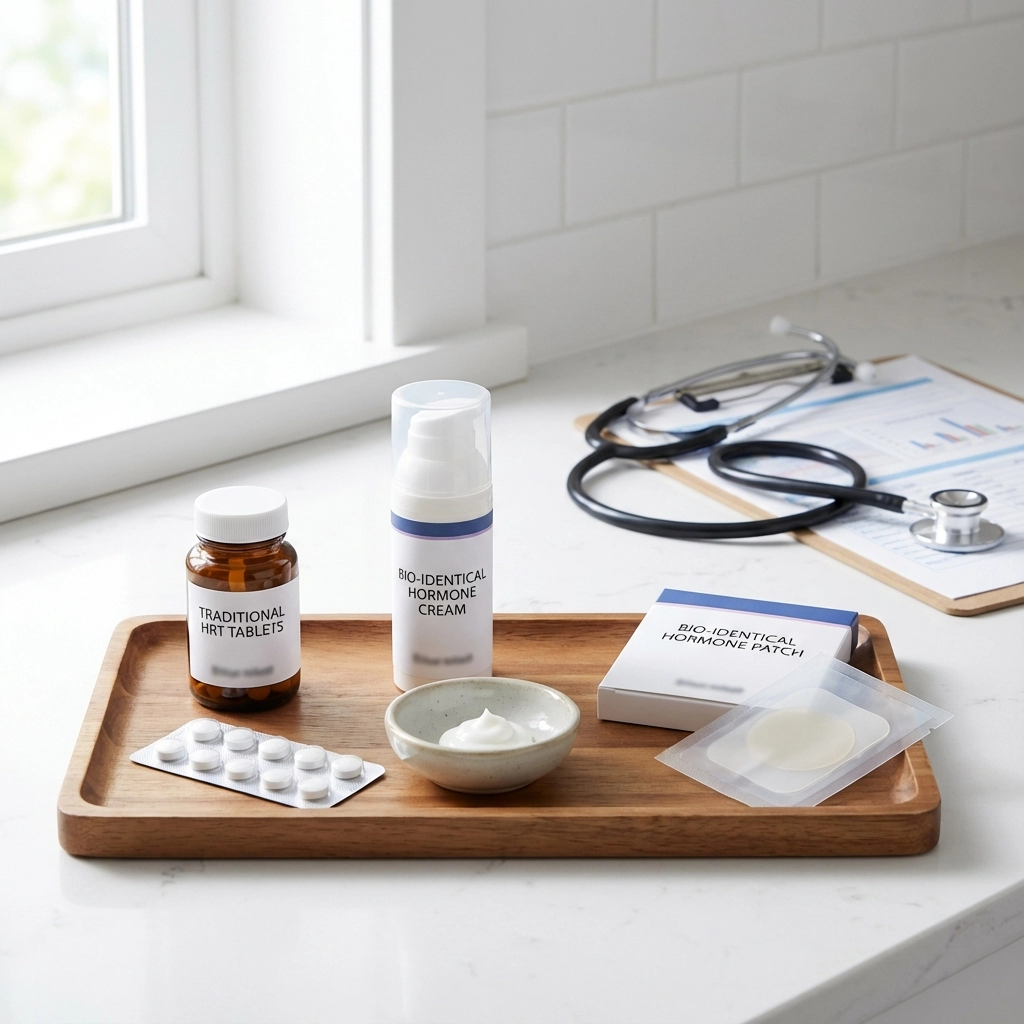
Traditional HRT comes in various delivery methods, pills, patches, gels, and vaginal rings, making it accessible and convenient for most women. Your healthcare provider can easily prescribe these medications, and they're typically covered by insurance.

What Makes BHRT Different?
Bio-identical hormone replacement therapy (BHRT) uses hormones that are chemically identical to those your body naturally produces. These hormones are synthesized from plant sources like soy and yams, then modified in laboratories to match human hormones exactly.
The key distinction lies in the molecular structure. While traditional HRT uses synthetic compounds that mimic your natural hormones, BHRT hormones are identical at the molecular level to what your ovaries once produced.
BHRT can be:
- FDA-approved medications like estradiol patches and progesterone capsules
- Custom-compounded formulations tailored to your specific hormone levels and symptoms
Head-to-Head Comparison: BHRT vs Traditional HRT
| Aspect | Traditional HRT | BHRT |
|---|---|---|
| Hormone Source | Synthetic or animal-derived | Plant-derived, molecularly identical |
| Customization | Standardized doses | Can be customized to individual needs |
| FDA Oversight | Extensive FDA approval and monitoring | FDA-approved options plus compounded versions |
| Research | Decades of large-scale studies | Growing body of research, fewer large studies |
| Insurance Coverage | Typically covered | FDA-approved versions covered, compounded may not be |
| Side Effects | Well-documented profile | Generally similar, potentially fewer with customization |
Benefits You Can Expect from Each Approach
Traditional HRT Advantages
Traditional HRT offers several compelling benefits:
- Extensive research backing: Decades of studies provide clear data on effectiveness and risks
- Standardized dosing: Consistent, predictable hormone levels
- Wide availability: Any healthcare provider can prescribe these medications
- Insurance coverage: Most plans cover FDA-approved traditional HRT
- Proven symptom relief: Highly effective for hot flashes, night sweats, and vaginal dryness
BHRT Advantages
BHRT provides unique benefits that appeal to many women:
- Molecular compatibility: Identical structure to your natural hormones may improve tolerance
- Customization potential: Compounded versions can be tailored to your specific needs
- Natural sourcing: Plant-based origin appeals to those seeking more natural options
- Flexible dosing: Can be adjusted more precisely based on your response
- Potentially fewer side effects: Some women report better tolerance compared to synthetic hormones
Understanding the Risks and Considerations
Both treatments carry similar risks, as your body responds to the hormone replacement regardless of the source. The Women's Health Initiative study findings apply to both traditional HRT and BHRT when it comes to potential risks like blood clots, stroke, and breast cancer.
Important Risk Factors to Discuss with Your Provider
- Age when starting treatment: Beginning HRT within 10 years of menopause is generally considered safer
- Family history: Personal or family history of breast cancer, blood clots, or heart disease
- Duration of use: Longer treatment periods may increase certain risks
- Delivery method: Patches and gels may carry lower clot risk than pills
The FDA's recent removal of the black box warning on hormone therapy reflects evolving understanding about when and how these treatments can be used more safely.
How to Choose the Right Option for You
Your decision should be based on several personal factors:
Consider Traditional HRT If You:
- Prefer extensively researched treatments
- Want insurance coverage certainty
- Have straightforward menopausal symptoms
- Don't mind standardized dosing
Consider BHRT If You:
- Want hormones identical to your natural ones
- Desire customized treatment options
- Have had poor tolerance to synthetic hormones
- Prefer plant-derived medications

The VidaVital Medical Approach to Hormone Therapy
At VidaVital Medical, we understand that menopause affects every woman differently. Our comprehensive approach includes:
- Detailed hormone testing to understand your current levels
- Thorough symptom assessment covering both physical and emotional changes
- Personalized treatment planning considering your health history and preferences
- Ongoing monitoring to optimize your treatment over time
We offer both traditional HRT and BHRT options, allowing us to find the approach that works best for your unique situation. Our hormone optimization specialists work closely with you to address not just hot flashes and night sweats, but also energy levels, mood changes, and overall quality of life.
Making Your Decision: Practical Next Steps
Here's what most people don't realize: the "best" treatment is the one that works for your specific body and lifestyle. This decision shouldn't be made based on internet research alone.
Your Action Plan:
- Document your symptoms for at least two weeks before your appointment
- Gather your medical history, including family health information
- List your current medications and any previous hormone therapy experiences
- Write down your questions and concerns about each treatment option
- Schedule a consultation with a qualified healthcare provider
Frequently Asked Questions
Is BHRT safer than traditional HRT?
Both carry similar risks when used appropriately. The molecular structure of BHRT may offer better tolerability for some women, but safety depends more on timing, dosage, and individual risk factors than the hormone source.
Can I switch from traditional HRT to BHRT?
Yes, many women successfully transition between treatments. Your healthcare provider can help you make this change gradually to maintain symptom control.
How long does it take to see results?
Most women notice initial improvements within 2-4 weeks, with full benefits typically achieved within 3 months of starting either treatment.
Are compounded BHRT formulations safe?
FDA-approved BHRT medications undergo rigorous testing. Compounded versions can be safe when prepared by accredited pharmacies, but they lack the same level of oversight.
Your Path Forward
Choosing between BHRT and traditional HRT doesn't have to be overwhelming. Both options can effectively address menopausal symptoms and improve your quality of life when used appropriately.
The key is working with a healthcare provider who understands your individual needs and can guide you through the decision-making process. At VidaVital Medical, we're committed to helping you find the treatment approach that aligns with your health goals and personal preferences.
Ready to explore your hormone therapy options? Contact VidaVital Medical today to schedule your comprehensive consultation. Together, we'll develop a personalized treatment plan that helps you feel like yourself again.
About the Author: This article was written by the medical team at VidaVital Medical, a leading healthcare practice specializing in hormone optimization and women's wellness in Palm Beach County, Florida.
Published: December 9, 2025
Disclaimer: This information is for educational purposes only and should not replace professional medical advice. Always consult with your healthcare provider before starting any hormone therapy treatment.