
You're running on empty, aren't you? That 3 PM crash hits harder each day, your mind feels foggy during important meetings, and you're lying awake at night despite being exhausted. Sound familiar? You're not alone: and you're definitely not imagining things.
Chronic stress and burnout have become the defining health challenges for professionals in their 30s, 40s, 50s, and beyond. But here's what most people don't realize: traditional stress management approaches only scratch the surface. Peptide therapy for stress offers something different: a science-based solution that works at the molecular level to restore your body's natural balance.
Let's get real about what's happening in your body and how peptides can help you reclaim your energy, focus, and peace of mind.
What's Really Happening in Your Body During Chronic Stress?
Here's the thing: stress doesn't just make you feel tired: it literally rewires your biology. When you're constantly dealing with deadlines, family pressures, and that never-ending mental load, your cortisol levels stay elevated. This isn't just about feeling overwhelmed; it's about your body getting stuck in survival mode.
The cascade effect looks like this:
- Elevated cortisol disrupts your sleep-wake cycle
- Disrupted sleep affects neurotransmitter production (serotonin, dopamine, GABA)
- Poor neurotransmitter balance leads to brain fog, irritability, and low motivation
- Your body's natural repair processes slow down
- Energy production at the cellular level decreases
You've probably noticed these symptoms creeping up gradually. Maybe you used to bounce back from busy weeks, but now you feel like you're constantly playing catch-up. That's your body telling you the stress response system needs recalibration.

How Do Peptides Actually Work for Stress Relief?
Peptides for burnout work differently than traditional stress management because they target the root biochemical imbalances, not just the symptoms. Think of peptides as molecular messengers that help your cells communicate better and function more efficiently.
Here's what makes peptide therapy so effective for stress:
Rebalances Your Stress Response System
Your hypothalamic-pituitary-adrenal (HPA) axis controls how your body responds to stress and returns to baseline afterward. Chronic stress keeps this system in overdrive. Specific peptides help regulate your natural cortisol rhythm, so your body can actually recover between stressful events instead of staying in constant fight-or-flight mode.
Restores Cellular Energy Production
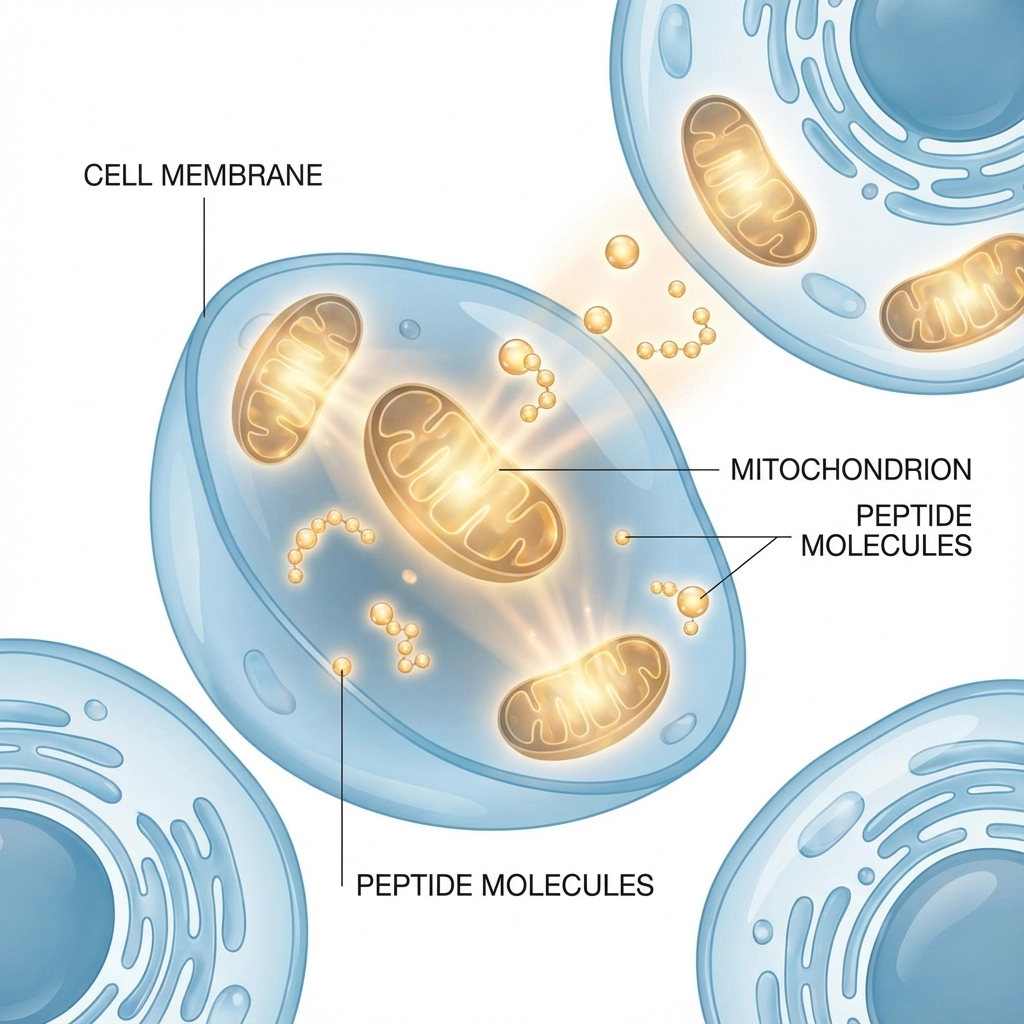
That bone-deep fatigue you're experiencing? It's often happening at the mitochondrial level: your cellular power plants aren't functioning optimally. Peptides like NAD+ support mitochondrial health, giving you sustainable energy that doesn't crash like caffeine.
Supports Neurotransmitter Balance
When stress disrupts serotonin and dopamine production, you feel anxious, unmotivated, and emotionally flat. Certain peptides promote healthier brain chemistry, helping restore your natural mood stability and mental clarity.
Reduces Inflammation
Chronic stress creates systemic inflammation that affects both your physical and emotional well-being. Regenerative peptides help calm this inflammatory response and support your body's natural repair processes.
Which Peptides Are Most Effective for Burnout?
Not all peptides work the same way, and the most effective approach often combines multiple peptides that complement each other. Here are the key players:
For Stress Hormone Regulation:
- Sermorelin: Helps normalize cortisol rhythms and supports healthy hormone signaling
- Epitalon: Supports adrenal function and helps regulate stress response
For Energy and Mental Clarity:
- NAD+: Boosts mitochondrial function and cellular energy production
- MOTS-C: Improves how your cells use energy, reducing fatigue
- Semax: Enhances cognitive function, focus, and mental stamina
For Sleep and Recovery:
- DSIP (Delta Sleep-Inducing Peptide): Promotes deeper, more restorative sleep
- Selank: Helps calm anxiety and supports GABA function
For Mood and Emotional Balance:
- PE-22-28: Supports neuroplasticity and mood stability
- BPC-157: Helps repair stress-related tissue damage and supports overall resilience
What Can You Realistically Expect from Peptide Therapy?
Let's be honest about timelines and results. Peptide therapy isn't a quick fix: it's a restoration process. Here's what most patients experience:
Weeks 1-2: Initial Adjustments
- Better sleep quality (often the first improvement people notice)
- Slightly more stable energy levels
- Less dramatic afternoon crashes
Weeks 3-6: Momentum Building
- Improved stress resilience during busy days
- Clearer thinking and better focus
- More consistent mood throughout the day
Weeks 6-12: Significant Changes
- Sustained energy without relying on caffeine
- Better emotional regulation during stressful situations
- Improved recovery between demanding periods
3-6 Months: Long-term Benefits
- Fundamentally better stress tolerance
- Consistent high energy and mental clarity
- Enhanced overall well-being and life satisfaction
Important note: Results vary based on your starting stress levels, overall health, lifestyle factors, and which peptides you're using. This isn't about perfection: it's about giving your body the tools to function optimally again.
How Do You Get Started Safely?
Here's where many people get overwhelmed, but it doesn't have to be complicated. Peptide therapy for stress should always begin with proper medical guidance.
Step 1: Comprehensive Assessment
A qualified provider will review your stress patterns, health history, current symptoms, and wellness goals. This isn't a one-size-fits-all approach: your protocol needs to match your specific situation.
Step 2: Personalized Protocol Design
Based on your assessment, you'll receive a customized peptide regimen that might include:
- Primary stress-management peptides
- Supporting peptides for sleep or energy
- Clear dosing and administration guidance
- Integration with any existing health protocols
Step 3: Ongoing Monitoring and Adjustments
Your body's needs change as you improve, so regular follow-ups ensure your protocol evolves with your progress. This might include lab testing, symptom tracking, and protocol adjustments.
At VidaVital Medical, we understand that busy professionals need treatment plans that work with their lifestyle, not against it. Our comprehensive peptide therapy programs are designed to fit into your routine while delivering the results you need.

Can Peptides Be Combined with Other Treatments?
Absolutely: and often, combination approaches yield the best results. Many patients benefit from integrating peptide therapy with:
Hormone Optimization: If you're over 35, subtle hormonal changes might be contributing to your stress sensitivity and fatigue. Combining peptides with bioidentical hormone therapy can address multiple root causes simultaneously.
Weight Management Support: Chronic stress often affects metabolism and appetite regulation. Medical weight loss programs using GLP-1 treatments can complement peptide therapy for comprehensive wellness.
Lifestyle Modifications: Peptides work best when supported by good sleep hygiene, stress management techniques, and appropriate nutrition. Your provider can help you identify which lifestyle changes will amplify your results.
Frequently Asked Questions
Q: Are peptides safe for long-term use?
A: When prescribed and monitored by qualified healthcare providers, peptides have an excellent safety profile. Most stress-management peptides can be used long-term with appropriate monitoring.
Q: How long before I feel different?
A: Most people notice initial improvements in sleep quality within the first 1-2 weeks. Significant stress resilience and energy improvements typically develop over 6-12 weeks.
Q: Will peptides interfere with my current medications?
A: This is why proper medical oversight is essential. A qualified provider will review all your current medications and health conditions to ensure safe integration.
Q: What if I don't see results?
A: Response varies between individuals, and protocols can be adjusted based on your specific response. Regular monitoring allows for optimization and modifications as needed.
Your Next Steps
If you're tired of feeling exhausted, overwhelmed, and like you're constantly running on fumes, peptide therapy might be the missing piece in your wellness puzzle. The key is working with providers who understand both the science of peptides and the reality of busy adult life.
Ready to explore your options? Consider scheduling a consultation to discuss your specific stress patterns and wellness goals. At VidaVital Medical, we specialize in helping high-achieving adults reclaim their energy, focus, and peace of mind through personalized peptide therapy protocols.
You deserve to feel energized, focused, and resilient again. Your best years don't have to be behind you: sometimes they're just waiting for the right support to begin.