

If you've been experiencing persistent fatigue, declining muscle mass, or reduced libido despite your best efforts with diet and exercise, you're not imagining these changes. Low testosterone affects nearly 40% of men over 45 and over half of men over 75, making it one of the most underdiagnosed health issues facing men today.
The landscape of testosterone replacement therapy (TRT) has dramatically shifted in 2025, thanks to groundbreaking FDA changes that have made treatment safer and more accessible than ever before. Whether you're researching "TRT for men" or searching for a "men's health clinic cost" near you, this comprehensive guide will give you the evidence-based information you need to make informed decisions about your health.
What Changed in 2025: The FDA Game-Changer
The most significant development for men considering TRT happened in February 2025 when the FDA removed the black box warning from all testosterone products. This warning, which had been in place since 2015, cautioned about potential cardiovascular risks and caused many doctors and patients to hesitate about TRT treatment.
After reviewing comprehensive clinical trial data, the FDA determined that the cardiovascular risk concerns were unfounded, fundamentally changing the safety landscape for testosterone replacement therapy. This means you can now have renewed dialogue with your healthcare provider about TRT without the cloud of cardiovascular fear that previously dominated these conversations.

Understanding Your Treatment Options
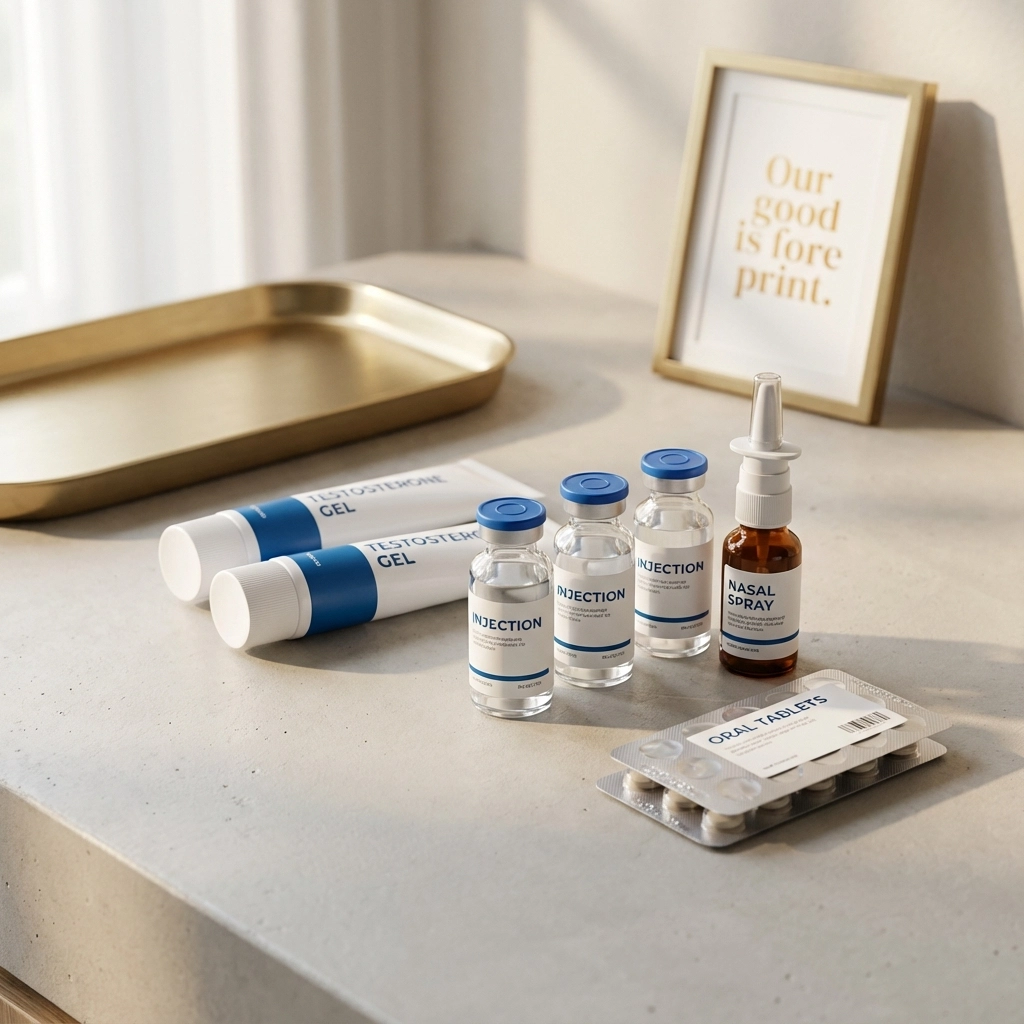
Modern TRT isn't one-size-fits-all. You have several evidence-based options, each with unique benefits depending on your lifestyle and preferences:
Topical Gels
Applied daily to clean, dry skin, gels provide steady hormone absorption throughout the day. They're convenient for men who prefer consistent daily routines. Important consideration: You'll need careful handwashing after application to avoid accidental transfer to family members, especially children and pregnant women.
Nasal Sprays
Administered three times daily, nasal sprays offer quick absorption through nasal tissues. This option is ideal if you have skin sensitivity issues with gels and eliminates transfer risks to others in your household.
Oral Tablets
The newer formulations have eliminated the liver toxicity concerns of older oral testosterone versions. Taken twice daily with meals, these work well for men comfortable with daily medications and those who travel frequently.
Injectable Testosterone
Available in both short-acting (weekly) and long-acting (monthly) formulations, injections are often the most cost-effective option. They're particularly beneficial if you have absorption issues with other methods or prefer less frequent dosing schedules.
Additional Options
Patches and pellets (surgically implanted under the skin) are also available, though less commonly used due to convenience factors.
Do You Qualify for TRT? Key Criteria
You may be a candidate for testosterone replacement therapy if you meet these evidence-based criteria:
Symptom Requirements:
- Persistent fatigue that doesn't improve with adequate sleep
- Decline in muscle mass despite regular exercise
- Reduced libido or sexual dysfunction
- Depression or mood changes
- Sleep disturbances
- Bone density concerns (osteopenia/osteoporosis)
Laboratory Requirements:
- Morning testosterone levels below 300ng/dL on two separate tests
- Blood tests taken between 7-9 AM when testosterone levels are typically highest
- Symptoms that haven't improved with lifestyle interventions
Important Note: As of 2025, TRT is not yet FDA-approved for men who simply experience natural age-related testosterone decline without significant symptoms or severely low levels.
Who Should Avoid TRT: Critical Contraindications
Your safety is paramount, and certain conditions make TRT inappropriate or dangerous:
Absolute Contraindications:
- Active prostate or breast cancer
- Recent heart attack or stroke (within 6 months)
- Unmanaged sleep apnea
- Uncontrolled high red blood cell count (polycythemia)
- Active liver or gallbladder disease
Fertility Considerations:
If you're planning to have children, discuss this thoroughly with your provider. TRT can suppress natural sperm production, though this is often reversible with proper protocols.
What to Expect: Timeline for Results
Understanding realistic expectations helps you stay committed to treatment and recognize genuine improvements:
Sexual Health Benefits (4-8 weeks)
- Restored libido and sexual interest
- Improved erectile function
- Enhanced overall sexual satisfaction
Mental and Emotional Benefits (4-6 weeks)
- Improved mood and reduced irritability
- Better cognitive function and mental clarity
- Enhanced motivation and drive
- Improved sleep quality and duration
Physical Changes (2-6 months)
- Energy improvements: 2-4 weeks
- Body composition changes: 3-6 months
- Muscle mass increases: 3-6 months with proper exercise
- Fat reduction: 3-6 months combined with appropriate lifestyle
Essential Monitoring and Safety Protocols
Working with a specialized provider that offers comprehensive monitoring isn't just recommended: it's essential for your safety and treatment success.
Initial Testing Requirements:
- Total and free testosterone
- Luteinizing hormone (LH)
- Follicle-stimulating hormone (FSH)
- Prolactin levels
- Complete blood count (hemoglobin and hematocrit)
- Prostate-specific antigen (PSA)
- Comprehensive metabolic panel
Ongoing Monitoring Schedule:
- Blood work every 3 months initially
- Every 6 months once levels stabilize
- Annual prostate examinations for men over 40
- Regular cardiovascular health assessments

Debunking Common TRT Myths
Myth 1: "TRT Will Cause Heart Problems"
Reality: The 2025 FDA decision to remove the black box warning was based on extensive research showing no increased cardiovascular risk when TRT is properly administered and monitored.
Myth 2: "TRT Always Causes Prostate Cancer"
Reality: Current research shows TRT doesn't increase prostate cancer risk in men without existing prostate issues. However, men with active prostate cancer should not use TRT.
Myth 3: "Once You Start TRT, You Can Never Stop"
Reality: While some men choose long-term treatment due to benefits, TRT can be discontinued. Your natural production may resume, though it might not return to previous levels depending on age and individual factors.
Myth 4: "TRT Is Just for Older Men"
Reality: Men in their 30s and 40s can have clinically low testosterone due to various factors including stress, obesity, certain medications, or underlying health conditions.
Understanding Men's Health Clinic Costs
While TRT costs vary significantly based on treatment type, geographic location, and insurance coverage, here's what influences pricing:
Factors Affecting Cost:
- Type of testosterone preparation (gels typically cost more than injections)
- Frequency of monitoring and lab work
- Geographic location and local market rates
- Insurance coverage and formulary restrictions
- Clinic overhead and service level
Financial Planning Tips:
- Ask about transparent pricing and payment plans
- Verify insurance coverage for both medications and monitoring
- Consider generic vs. brand-name options
- Factor in long-term commitment costs
Many specialized clinics, including VidaVital Medical, offer comprehensive hormone replacement therapy programs with transparent pricing structures to help you budget effectively.
Frequently Asked Questions
Q: How quickly will I feel different on TRT?
A: Most men notice energy and mood improvements within 2-4 weeks, with sexual health benefits typically appearing within 4-8 weeks. Physical changes like muscle mass and body composition improvements take 3-6 months.
Q: Can I do TRT if I want to have children?
A: TRT can suppress natural sperm production, but this is often reversible. Discuss fertility goals with your provider, as there are protocols to preserve or restore fertility while on treatment.
Q: What's the difference between "Low T centers" and medical clinics?
A: Choose providers who offer comprehensive medical evaluation, ongoing monitoring, and integrate TRT into your overall health management rather than treating it as an isolated intervention.
Q: Is TRT covered by insurance?
A: Coverage varies by insurance plan and medical necessity. Many plans cover TRT when prescribed for clinically diagnosed hypogonadism with documented symptoms and lab values.

Finding the Right Provider: What to Look For
When searching for a "men's health clinic near me," prioritize these qualities:
Essential Provider Characteristics:
- Board-certified physicians with hormone therapy experience
- Comprehensive initial evaluation and ongoing monitoring protocols
- Transparent pricing and treatment options
- Integration with your primary healthcare team
- Evidence-based treatment approaches
Red Flags to Avoid:
- Providers who don't require comprehensive lab work
- "One-size-fits-all" treatment approaches
- Unrealistic promises or guarantees
- Pressure to start treatment immediately
- Lack of ongoing monitoring protocols
Taking Your Next Step
If you're experiencing symptoms of low testosterone, you're not alone, and effective help is available. The 2025 FDA changes have created an unprecedented opportunity for men to address hormonal health concerns with greater confidence and safety than ever before.
Your Action Plan:
- Document your symptoms using a symptom diary for 2-4 weeks
- Schedule comprehensive lab work with morning testosterone testing
- Research qualified providers in your area who specialize in men's hormone health
- Prepare questions about treatment options, costs, and monitoring protocols
- Consider your lifestyle and treatment preferences
The path to renewed energy, improved mood, and enhanced quality of life starts with taking that first step. Whether you're dealing with persistent fatigue, declining physical performance, or reduced libido, there are evidence-based solutions available to help you reclaim your vitality.
At VidaVital Medical, we understand that men's sexual health concerns require compassionate, comprehensive care. Our concierge approach ensures you receive personalized attention throughout your hormone optimization journey.
Remember, addressing low testosterone isn't just about feeling better today: it's an investment in your long-term health, relationships, and quality of life. The 2025 regulatory changes have made this treatment safer and more accessible than ever. You deserve to feel your best, and with proper medical guidance, that goal is absolutely achievable.