

If you've been noticing more hair in your shower drain or catching glimpses of your scalp in photos, you're definitely not alone. Hair loss affects millions of men and women, and honestly, it can feel pretty overwhelming when you start researching your options. The good news? Palm Beach County has become a real hotspot for cutting-edge hair restoration treatments that actually work.
Whether you're dealing with male pattern baldness, female hair thinning, or hair loss from medical treatments, there are more effective solutions available in 2025 than ever before. Let's walk through everything you need to know about getting your hair back – and your confidence too.
What's Actually New in Hair Restoration for 2025?
The hair restoration game has changed dramatically over the past few years. We're talking about treatments that would have sounded like science fiction just a decade ago.
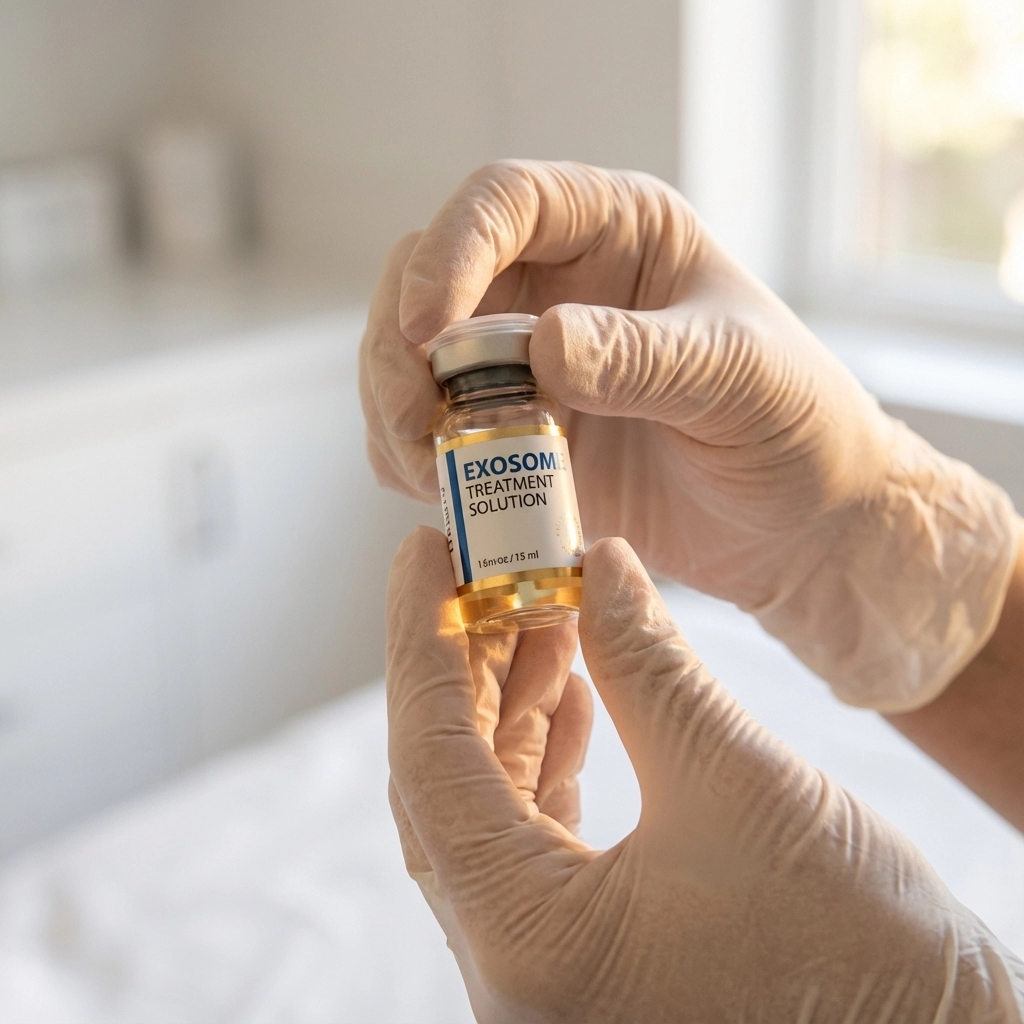
Exosome therapy is probably the most exciting advancement. Think of exosomes as tiny messengers that wake up your sleeping hair follicles. It's a simple 20-minute treatment where these stem cell-derived exosomes are delivered directly to your scalp. Most people need about three treatments before seeing real results, but the science behind it is pretty incredible.
Genetic testing is another game-changer. Some clinics now use saliva swabs to analyze your DNA and figure out which treatments will actually work for your specific genetics. No more guessing games – just personalized medicine that makes sense.
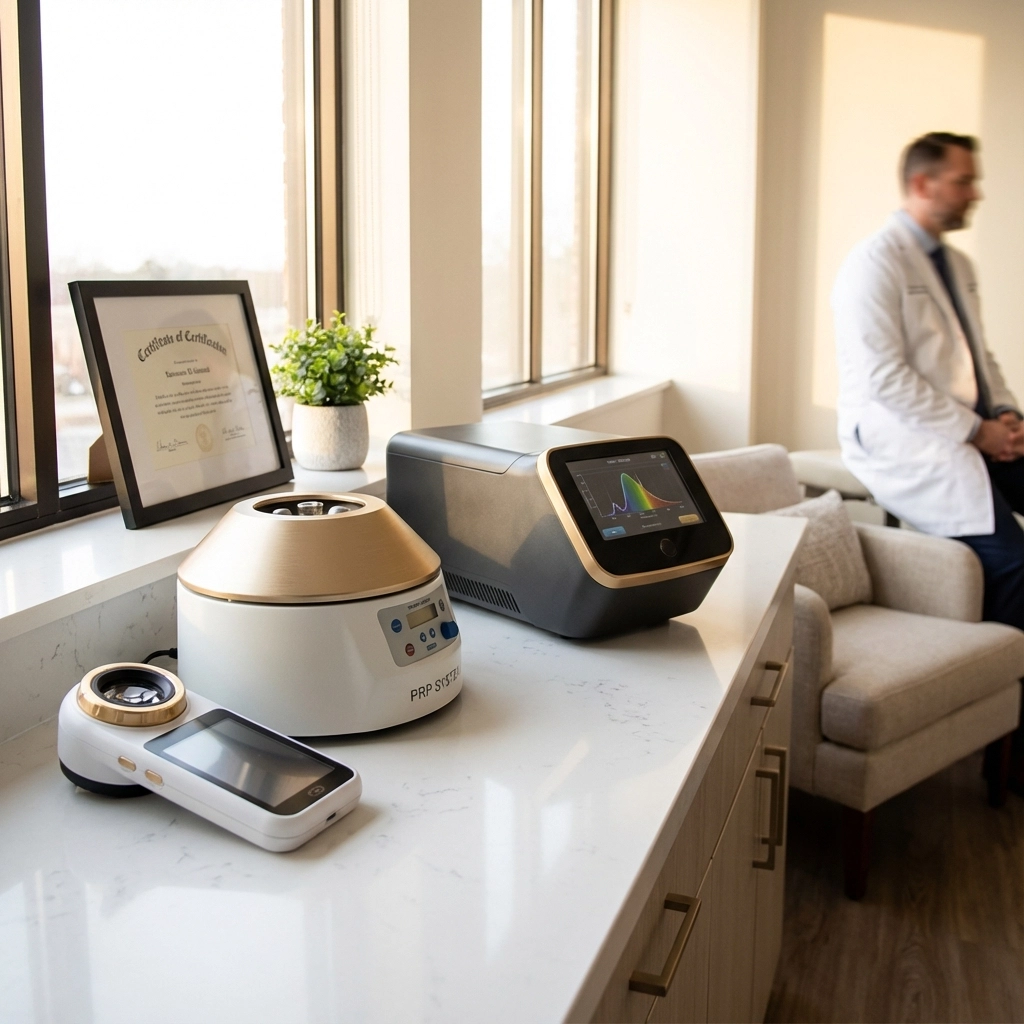
Alma TED technology has also revolutionized non-invasive treatments. It's completely painless and uses acoustic sound waves and air pressure to deliver growth factors directly into your scalp. Patients often describe it as relaxing rather than uncomfortable.
Is Hair Restoration Right for You?
Before diving into treatment options, let's talk about whether you're a good candidate. Hair restoration works best when you catch it early to moderate stages of loss. If you're noticing:
- Thinning at the crown or temples
- A widening part line
- Overall decreased hair density
- Hair loss due to hormonal changes or medical treatments
Then you're likely a great candidate for modern treatments. The key is acting sooner rather than later – your hair follicles need to still be alive (just sleeping) for most treatments to work effectively.
Your Step-by-Step Guide to Getting Started
Step 1: Schedule Your Consultation
This isn't your typical doctor's visit. A good hair restoration consultation includes:
- Detailed scalp analysis using specialized diagnostic tools
- Medical history review to understand what might be causing your hair loss
- Realistic timeline discussion about when you can expect to see results
- Cost breakdown so there are no surprises
Many clinics offer these consultations for free, which is perfect for getting multiple opinions without breaking the bank.
Step 2: Choose Your Treatment Path
Based on your consultation, you'll typically have two main paths:
Non-Surgical Options:
- Platelet-Rich Plasma (PRP) therapy
- Exosome treatments
- Low-Level Laser Therapy (LLLT)
- Microneedling with growth factors
- Medical treatments like dutasteride mesotherapy
Surgical Options:
- FUE (Follicular Unit Extraction)
- FUT (Follicular Unit Transplantation)
- NeoGraft automated procedures
Step 3: Develop Your Treatment Plan
Your specialist will create a customized plan that typically includes 3-6 treatment sessions spread over several months, along with at-home maintenance protocols and lifestyle modifications to support hair growth.
What Can You Realistically Expect?
Let's be honest about timelines here – hair restoration isn't an overnight miracle. But understanding what to expect can help manage your expectations and keep you motivated.
For Non-Surgical Treatments:
- 2-3 months: You might start noticing less hair falling out
- 4-6 months: New hair growth becomes visible
- 6-12 months: Significant improvement in density and thickness
For Surgical Procedures:
- 2-3 weeks: Transplanted hair may fall out (this is totally normal)
- 3-4 months: New hair starts growing from transplanted follicles
- 6 months: You'll see significant improvement
- 12-18 months: Full, final results
The important thing to remember is that everyone's timeline is different. Your genetics, age, overall health, and the extent of your hair loss all play a role in how quickly you'll see results.
How Much Does Hair Restoration Cost in Palm Beach County?
Money talk – let's get real about costs because this is probably one of your biggest concerns.
Hair transplants typically range from $15,000 to $25,000 in Palm Beach County. A 2,000-graft session might cover your hairline, while 3,000 to 5,000 grafts can treat larger areas. Yes, it's a significant investment, but many people find the long-term results justify the cost.
Non-surgical treatments are generally more affordable and can range from a few hundred to several thousand dollars depending on the type and number of sessions needed.
Most clinics offer financing options, and some treatments may be partially covered by insurance if hair loss is due to medical conditions.
Why Palm Beach County for Hair Restoration?
Palm Beach County has become a destination for hair restoration for good reason. The area attracts top specialists who stay current with the latest techniques and technologies. You'll find experienced practitioners who understand that hair restoration is deeply personal and requires both medical expertise and an artistic eye.
Local advantages include:
- Access to cutting-edge treatments and technologies
- Experienced practitioners with proven track records
- Comprehensive care that goes beyond just the procedure
- Support for lifestyle factors that affect hair health

Questions to Ask During Your Consultation
Don't be shy about asking questions – this is your hair and your money we're talking about. Here are some important ones:
- What's causing my specific type of hair loss?
- Which treatment option do you recommend for my situation and why?
- How many treatments will I need?
- What's the total cost including all follow-up care?
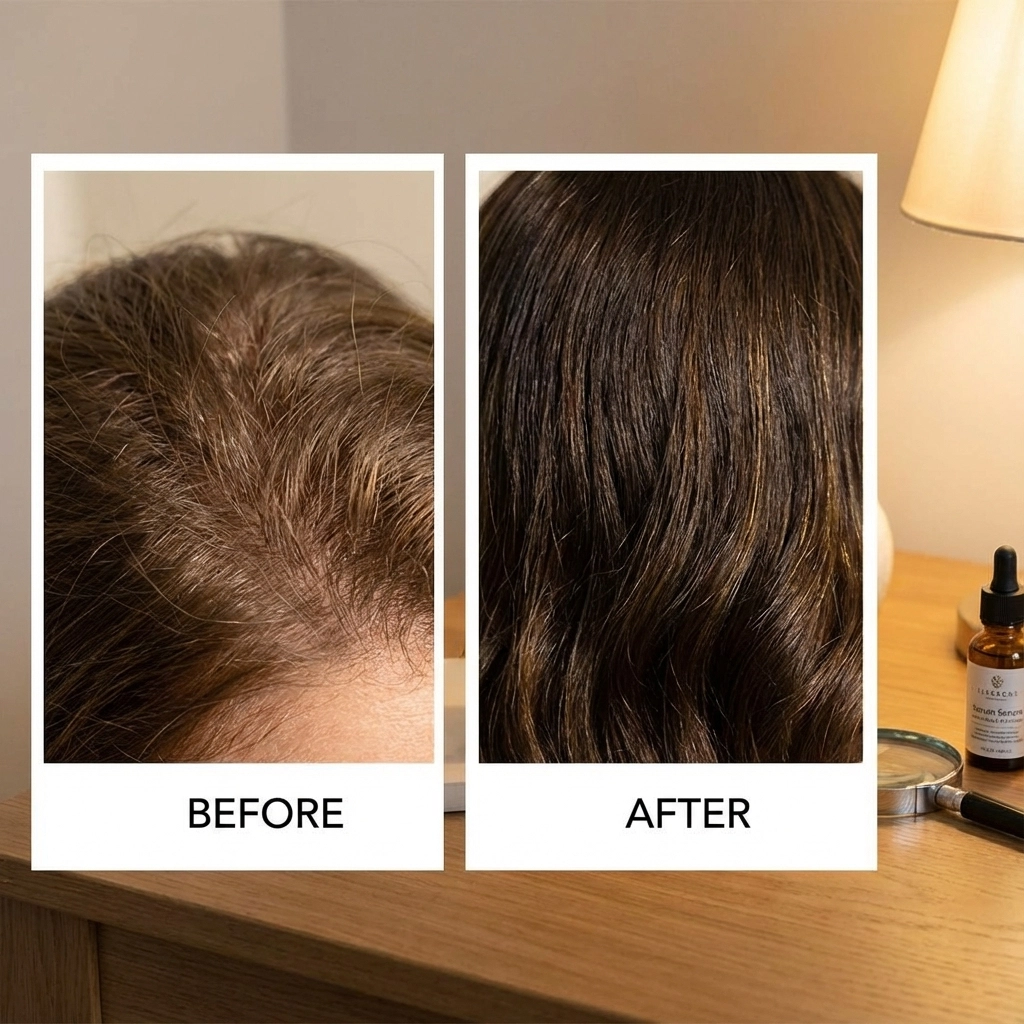
- Can I see before and after photos of similar cases?
- What kind of results can I realistically expect?
- Are there any lifestyle changes I should make to support treatment?
Ready to Take the Next Step?
Hair loss doesn't have to be something you just accept. With today's advanced treatments and personalized approaches, most people can see significant improvement in their hair density and overall confidence.
The first step is scheduling a consultation with a reputable clinic that offers multiple treatment options. At VidaVital Medical, we understand that hair restoration is about more than just hair – it's about feeling confident and comfortable in your own skin.
Our team stays current with the latest treatments and technologies, and we believe in creating personalized treatment plans that work for your specific situation, timeline, and budget.
Frequently Asked Questions
Q: Is hair restoration painful?
A: Most modern treatments prioritize comfort. Non-surgical options like laser therapy and exosome treatments are generally painless or feel like a gentle massage. Surgical procedures are performed under local anesthesia, and most patients experience only mild soreness for a few days afterward.
Q: How long do results last?
A: This depends on the treatment type. Hair transplants provide permanent results because the transplanted hair is genetically resistant to balding. Non-surgical treatments typically require maintenance sessions to sustain results.
Q: Can women get hair transplants?
A: Absolutely! Women are excellent candidates for both surgical and non-surgical hair restoration treatments. Female hair loss patterns are different from male patterns, so treatment plans are customized accordingly.
Q: When should I start treatment?
A: The earlier, the better. Hair restoration works best when follicles are still alive but dormant. Waiting until you have significant baldness limits your treatment options.
Q: Will my hair look natural?
A: When performed by experienced practitioners, modern hair restoration results look completely natural. The key is working with specialists who understand hairlines, growth patterns, and how to create results that match your age and facial features.
Q: Can I combine different treatments?
A: Yes, many patients get the best results from combining treatments. For example, you might have a hair transplant for areas of significant loss and use PRP or exosome therapy to strengthen existing hair in other areas.
Don't let hair loss hold you back from feeling your best. Schedule your consultation today and take the first step toward restoring not just your hair, but your confidence too.