
Let's be honest: no one prepared you for how dramatically your sexual desire could change after 40. One day you're feeling confident and connected, and the next, intimacy feels like just another item on your to-do list. You're not broken, you're not alone, and most importantly, you don't have to accept this as your new normal.
If traditional approaches haven't worked or you're looking for alternatives to hormone therapy, peptide therapy might be the game-changer you've been searching for. Here's everything you need to know about how these innovative treatments are helping women reclaim their sexual wellness and intimate connections.
Quick Answers: What You Need to Know Right Now
What are the best peptides for women's sexual wellness?
PT-141 (Bremelanotide) is the gold standard, it's FDA-approved specifically for women with low sexual desire and works by targeting your brain's arousal pathways rather than just hormones.
How do peptides help with libido and arousal?
Unlike traditional treatments that focus on blood flow or hormone replacement, peptides like PT-141 work directly on your nervous system to reignite the mental spark behind desire. They essentially help your brain remember what it feels like to want intimacy again.
Are they safe for women over 40?
Yes: peptide therapy is considered a safe, non-invasive alternative to traditional medications with minimal side effects. PT-141 has been extensively studied and approved by the FDA for this exact purpose.

How Peptide Therapy Actually Works for Sexual Wellness
Think of peptides as your body's text messages: they're short chains of amino acids that carry important signals between cells. When it comes to sexual wellness, the magic happens in your brain, not just your reproductive organs.
Here's what makes peptides different from everything else you've tried:
They bypass hormonal roadblocks entirely. While menopause and perimenopause definitely affect your hormone levels, low libido isn't always just about low estrogen or testosterone. Sometimes your hormones are fine, but the communication between your brain and your desire centers has gotten fuzzy. Peptides clear up that signal.
They target the root of desire. Most women's sexual health issues aren't about physical function: they're about wanting to want it again. PT-141 specifically targets the melanocortin receptors in your brain that control sexual motivation and arousal.
They work with your natural systems. Instead of forcing your body to do something artificial, peptides enhance the communication pathways that already exist but may have become less efficient over time.
PT-141: The Breakthrough Peptide for Women's Desire
PT-141 (also known as Bremelanotide) isn't just another supplement or hormone: it's an FDA-approved medication specifically designed for women experiencing hypoactive sexual desire disorder (HSDD). In clinical terms, that means persistent lack of sexual interest that causes you distress or relationship problems.
Sound familiar? You're definitely not alone.
How PT-141 differs from other treatments:
- Works within hours, not weeks or months
- Doesn't depend on your current hormone levels
- Addresses the mental/emotional component of desire
- Can be used as needed rather than daily
- Minimal interaction with other medications
What to expect from PT-141:
Most women notice improvements in both sexual desire and reduced distress about their lack of interest. It's not about becoming hypersexual: it's about feeling like yourself again. Many describe it as "remembering what it feels like to be interested" or "getting that spark back."

Your Step-by-Step Guide to Starting Peptide Therapy
Starting any new treatment can feel overwhelming, especially when it comes to something as personal as sexual wellness. Here's exactly what the process looks like:
Step 1: Comprehensive Health Assessment
A qualified provider will review your medical history, current symptoms, relationship factors, and overall health goals. This isn't a quick consultation: expect a thorough discussion about what you're experiencing and what you hope to achieve.
Step 2: Lab Work and Baseline Testing
Your provider may order blood work to check hormone levels, overall health markers, and rule out any underlying conditions that could be affecting your sexual wellness. This helps create a complete picture of your health.
Step 3: Personalized Treatment Plan
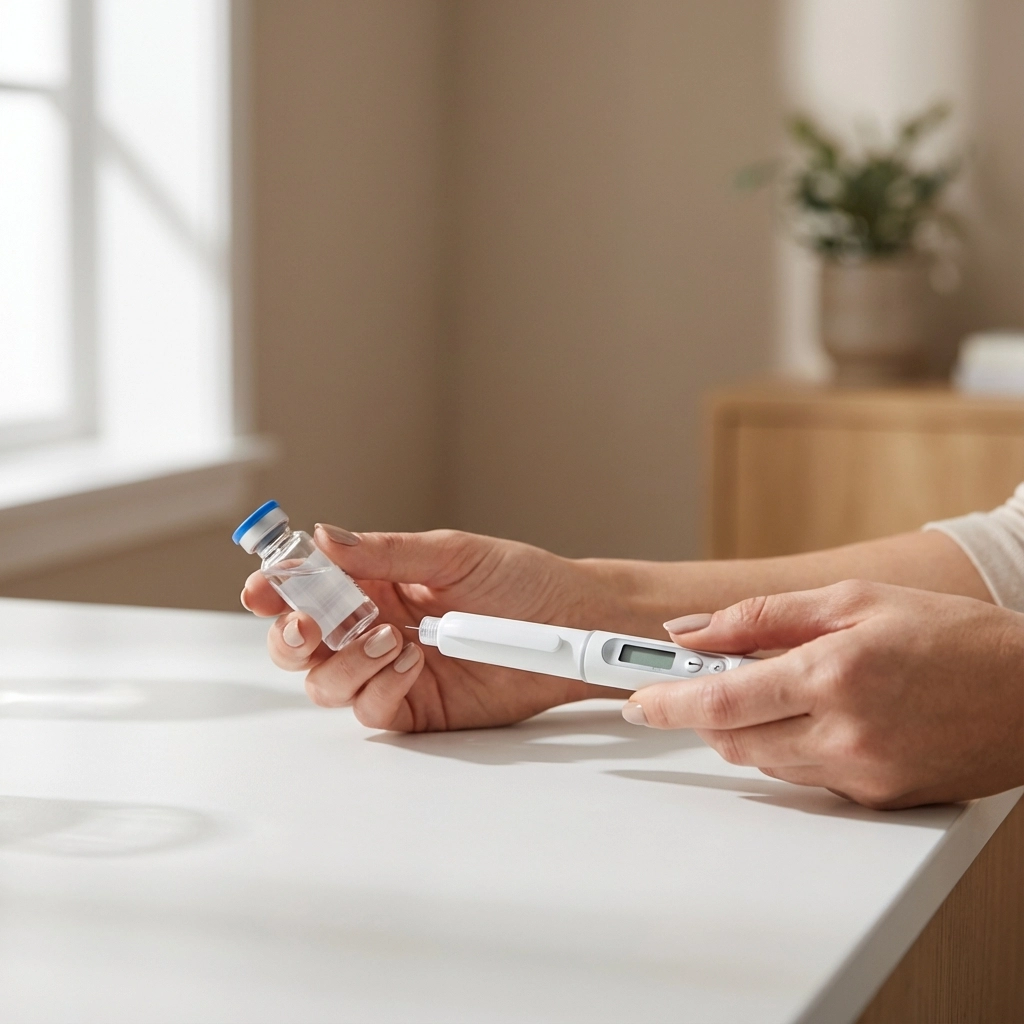
Based on your assessment and goals, your provider will recommend specific peptides, dosing, and delivery method. PT-141 is typically administered via subcutaneous injection, but your provider will train you thoroughly on proper technique.
Step 4: Initial Trial Period
Most providers start with a trial period to assess your response and make any necessary adjustments. This might be 4-8 weeks of treatment with regular check-ins.
Step 5: Ongoing Monitoring and Optimization
Once you've established an effective protocol, you'll have regular follow-ups to monitor progress, adjust dosing if needed, and address any questions or concerns.
Maximizing Your Results: What Really Makes the Difference
Peptide therapy works best when it's part of a comprehensive approach to your overall wellness. Here's how to get the most from your treatment:
Timing matters. PT-141 is typically used 45 minutes to 8 hours before anticipated sexual activity. Work with your provider to find the timing that works best for your lifestyle and schedule.
Address stress and sleep. Chronic stress and poor sleep can significantly impact sexual desire regardless of what treatments you're using. Consider this an opportunity to prioritize your overall wellness.
Communicate with your partner. Let them know you're exploring treatment options. Having a supportive partner who understands what you're going through can make a huge difference in your success.
Be patient but realistic. While some women notice improvements quickly, others may need a few weeks to see full benefits. Keep track of how you're feeling and communicate openly with your provider.
Consider combination approaches. Depending on your individual situation, your provider might recommend combining peptide therapy with hormone optimization or other wellness strategies.
Why Traditional Approaches Often Fall Short
If you've tried other treatments without success, you're not imagining things. Here's why peptide therapy often works when other approaches haven't:
Most treatments focus on hormones alone. While hormone imbalances can definitely affect libido, they're not always the whole story. Many women have normal hormone levels but still struggle with desire.
Physical solutions miss the mental component. Treatments that only address blood flow or vaginal health ignore the fact that female arousal is largely neurological and psychological.
One-size-fits-all approaches don't work. Every woman's experience with changing sexuality is different. Peptide therapy can be personalized to your specific needs and goals.
Frequently Asked Questions
How long does PT-141 take to work?
Most women notice effects within 45 minutes to 8 hours after injection. The timing can vary based on individual factors, which is why working with an experienced provider is so important.
Are there side effects?
PT-141 is generally well-tolerated. Some women experience mild nausea, flushing, or injection site reactions initially, but these typically improve with time. Always discuss potential side effects with your provider.
Can I use peptide therapy with hormone replacement therapy?
Many women successfully combine peptide therapy with bioidentical hormone replacement. Your provider can determine the best combination approach for your individual needs.
How often do I need injections?
PT-141 is used as needed, not daily. Most women use it 1-3 times per week, but frequency depends on your individual goals and response.
Is this covered by insurance?
Coverage varies by insurance plan and provider. Many women find the investment worthwhile given the impact on their quality of life and relationships.
How do I know if I'm a good candidate?
Women experiencing persistent low sexual desire that causes distress or relationship issues are typically good candidates. A consultation with a qualified provider is the best way to determine if peptide therapy is right for you.
Your Next Steps
Your sexual wellness matters: not just for your intimate relationships, but for your overall quality of life and sense of self. If you're tired of accepting low libido as just part of aging, peptide therapy might be the solution you've been looking for.
The team at VidaVital Medical specializes in personalized peptide therapy for women's sexual wellness. We understand how deeply these issues can affect your confidence and relationships, and we're here to help you reclaim this important part of your life.
Don't wait for desire to magically return on its own. Schedule a consultation to discuss whether peptide therapy could be the key to getting your spark back. Because you deserve to feel like yourself again( in every aspect of your life.)