

If you've been feeling exhausted despite getting enough sleep, noticed your gym performance declining, or experienced changes in your libido, you're not imagining it. These could be signs of low testosterone: a condition affecting millions of men, yet one that's finally getting the medical attention it deserves in 2025.
The landscape of testosterone replacement therapy (TRT) has evolved dramatically. With new FDA guidance, updated safety research, and more accessible treatment options, there's never been a better time to explore whether TRT could help you reclaim your energy and vitality.
What Is Testosterone Replacement Therapy?
Testosterone replacement therapy is a medical treatment designed to restore healthy testosterone levels in men diagnosed with hypogonadism: a condition where your body doesn't produce enough testosterone naturally.
Here's what you need to know upfront:
- TRT isn't a quick fix or performance enhancer
- It's FDA-approved only for diagnosed medical conditions
- Treatment requires ongoing monitoring and commitment
- Results typically appear within 3-6 months
Your testosterone levels naturally decline about 1-2% per year after age 30. While this gradual decrease is normal, some men experience more significant drops that affect their quality of life, relationships, and overall health.

2025 FDA Guidelines: What's Changed
The FDA's position on TRT has become clearer in 2025. Currently, TRT is approved only for males with low testosterone due to a diagnosed medical condition, not for age-related decline alone.
This means your doctor will need to:
- Document symptoms consistent with low testosterone
- Confirm low levels through multiple blood tests
- Rule out other potential causes
- Ensure you understand the risks and benefits
Good news on cardiovascular safety: A major 2024 study challenged previous concerns about heart risks. The research found that testosterone gel wasn't associated with increased heart attack or stroke risk over extended periods, providing reassurance for many men considering treatment.
Who's a Candidate for TRT in 2025?
You might be a candidate if you're experiencing multiple symptoms of low testosterone confirmed by blood work. Common signs include:
- Persistent fatigue and low energy
- Decreased muscle mass and strength
- Reduced libido and sexual function
- Mood changes or depression
- Difficulty concentrating
- Sleep disturbances
- Increased body fat
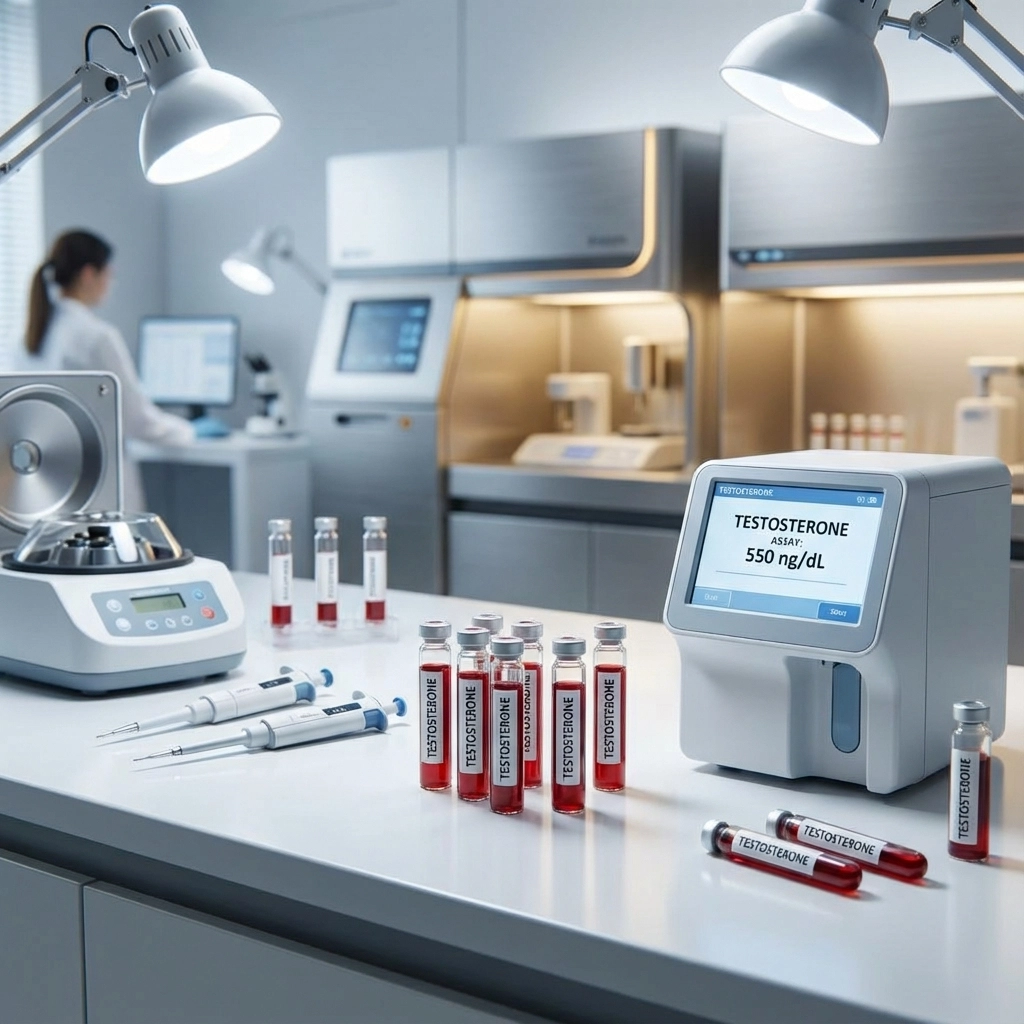
Blood work typically shows:
- Total testosterone below 300 ng/dL
- Free testosterone levels below normal range
- Symptoms that correlate with lab findings
Your healthcare provider will also consider your overall health, including heart conditions, prostate health, and family history before recommending treatment.
TRT Treatment Options Available in 2025
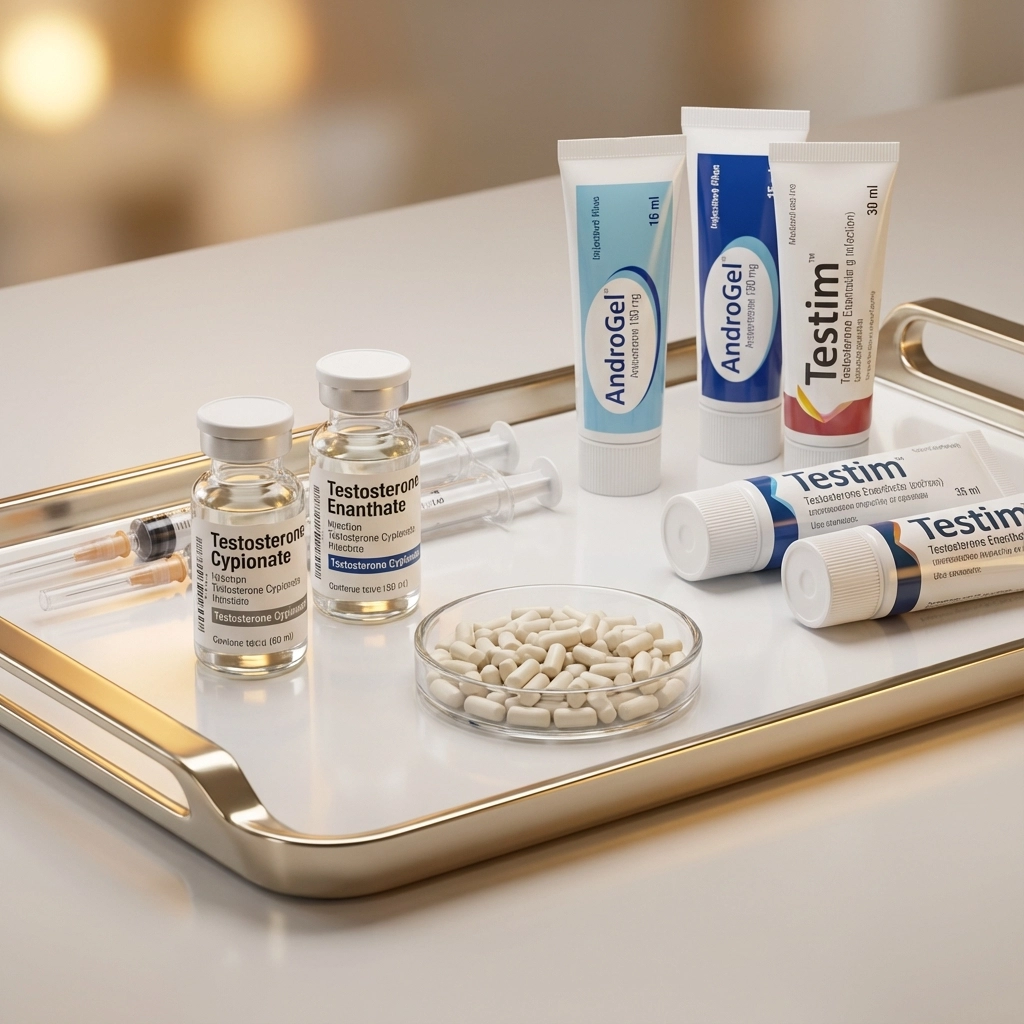
Modern TRT offers several delivery methods, each with unique advantages:
Testosterone Injections
- Most cost-effective option
- Administered weekly or bi-weekly
- Steady hormone levels with proper timing
- Self-administered at home after training
Testosterone Gels
- Daily application to skin
- Steady absorption throughout the day
- Risk of transfer to others through contact
- More expensive than injections
Testosterone Pellets
- Inserted under the skin every 3-6 months
- Consistent hormone release
- Minor surgical procedure required
- Higher upfront cost
Nasal Testosterone
- Applied multiple times daily
- Rapid absorption
- Newest delivery method
- Higher cost per dose
Men's Health Clinic Costs: What to Expect in 2025
Understanding TRT costs helps you make informed decisions. Here's a realistic breakdown:
Initial Consultation and Testing
- Comprehensive evaluation: $200-$400
- Blood work panel: $150-$300
- Follow-up consultation: $100-$200
Monthly Treatment Costs
- Testosterone injections: $30-$100
- Testosterone gel: $200-$500
- Testosterone pellets: $300-$600 (every 3-6 months)
- Monitoring blood work: $100-$200 (quarterly)
Annual Investment Range
- Basic injection protocol: $1,200-$2,400
- Comprehensive gel program: $3,000-$6,500
- Pellet therapy: $2,400-$4,800
Insurance considerations: Many insurance plans cover TRT when medically necessary, but coverage varies significantly. Some patients pay out-of-pocket for more personalized treatment approaches.
Finding the Right "TRT Clinic Near Me"
Not all clinics offer the same level of care. Look for providers who:
- Specialize in hormone optimization
- Require comprehensive testing before treatment
- Offer multiple treatment options
- Provide ongoing monitoring and support
- Have board-certified physicians
- Maintain transparent pricing
Red flags to avoid:
- Promises of immediate results
- Treatment without proper testing
- One-size-fits-all protocols
- Lack of follow-up monitoring
- Pressure to start treatment immediately
At VidaVital Medical, we believe in personalized approaches that consider your unique health profile, lifestyle, and goals before recommending any treatment plan.

Latest Research and Safety Updates
Fertility Considerations
Recent 2024-2025 research confirms that TRT can significantly impact fertility. If you're planning to have children:
- TRT can reduce sperm count within weeks
- Effects may take months or years to reverse
- Discuss fertility preservation options
- Consider alternative treatments like Clomid
Cardiovascular Safety: The Good News
The cardiovascular safety profile of TRT improved significantly with recent research. While earlier studies raised concerns, current evidence shows:
- No increased risk of heart attack or stroke in properly monitored men
- Slight increase in atrial fibrillation risk (discuss with your doctor)
- Potential cardiovascular benefits in some men
- Importance of regular monitoring remains crucial
Prostate Health Updates
New 2025 guidelines suggest testosterone can be administered cautiously in men with treated or low-risk prostate concerns under specialist management. However, monitoring remains essential:
- Regular PSA testing
- Digital rectal exams
- Immediate evaluation of any significant PSA increases
- Open communication with your healthcare provider
Common TRT Myths vs. Facts
Myth: TRT will automatically improve athletic performance
Fact: TRT restores normal levels; it doesn't create superhuman performance
Myth: You can stop TRT anytime without consequences
Fact: Stopping requires careful planning and monitoring as your body readjusts
Myth: TRT causes aggressive behavior
Fact: Properly monitored TRT typically improves mood and emotional stability
Myth: All men over 40 need TRT
Fact: Only men with clinically low levels and symptoms benefit from treatment
Myth: TRT is the same as anabolic steroid abuse
Fact: Medical TRT uses physiological doses under physician supervision
TRT FAQ: Your Most Important Questions Answered
How long before I see results?
Most men notice improvements in energy and mood within 4-6 weeks. Physical changes like muscle mass and body composition typically appear after 3-6 months of consistent treatment.
Will I need TRT forever?
Many men continue TRT long-term because stopping means returning to previous low levels. However, some men can maintain improvements with lifestyle changes and periodic monitoring.
Can TRT help with weight loss?
TRT can improve body composition by increasing muscle mass and reducing fat, especially when combined with proper diet and exercise. It's not a weight loss medication alone.
What about side effects?
Common side effects include acne, mood changes, and increased red blood cell count. Most side effects are manageable with proper monitoring and dosage adjustments.
How often do I need blood work?
Initially every 6-8 weeks, then quarterly once levels stabilize. Your doctor may recommend more frequent testing based on your response and health status.
Taking the Next Step
If you're experiencing symptoms of low testosterone, the first step is comprehensive evaluation by a qualified healthcare provider. This process typically includes:
- Detailed symptom assessment
- Complete medical history review
- Comprehensive blood testing
- Physical examination
- Treatment planning discussion
Remember, TRT isn't right for everyone, but for men with clinically low testosterone, it can be life-changing. The key is working with experienced providers who prioritize your safety and long-term health.

Why Choose VidaVital Medical for Your TRT Journey
At VidaVital Medical, we understand that every man's hormone optimization journey is unique. Our personalized approach combines cutting-edge testing, evidence-based treatment protocols, and ongoing support to help you achieve your health goals safely and effectively.
Our team stays current with the latest research and FDA guidelines, ensuring you receive the most up-to-date care available. We believe in transparency, education, and empowering you to make informed decisions about your health.
Ready to explore whether TRT could help you reclaim your energy and vitality? Contact VidaVital Medical today to schedule your comprehensive evaluation. Your journey toward optimal health and renewed confidence starts with a single conversation.