
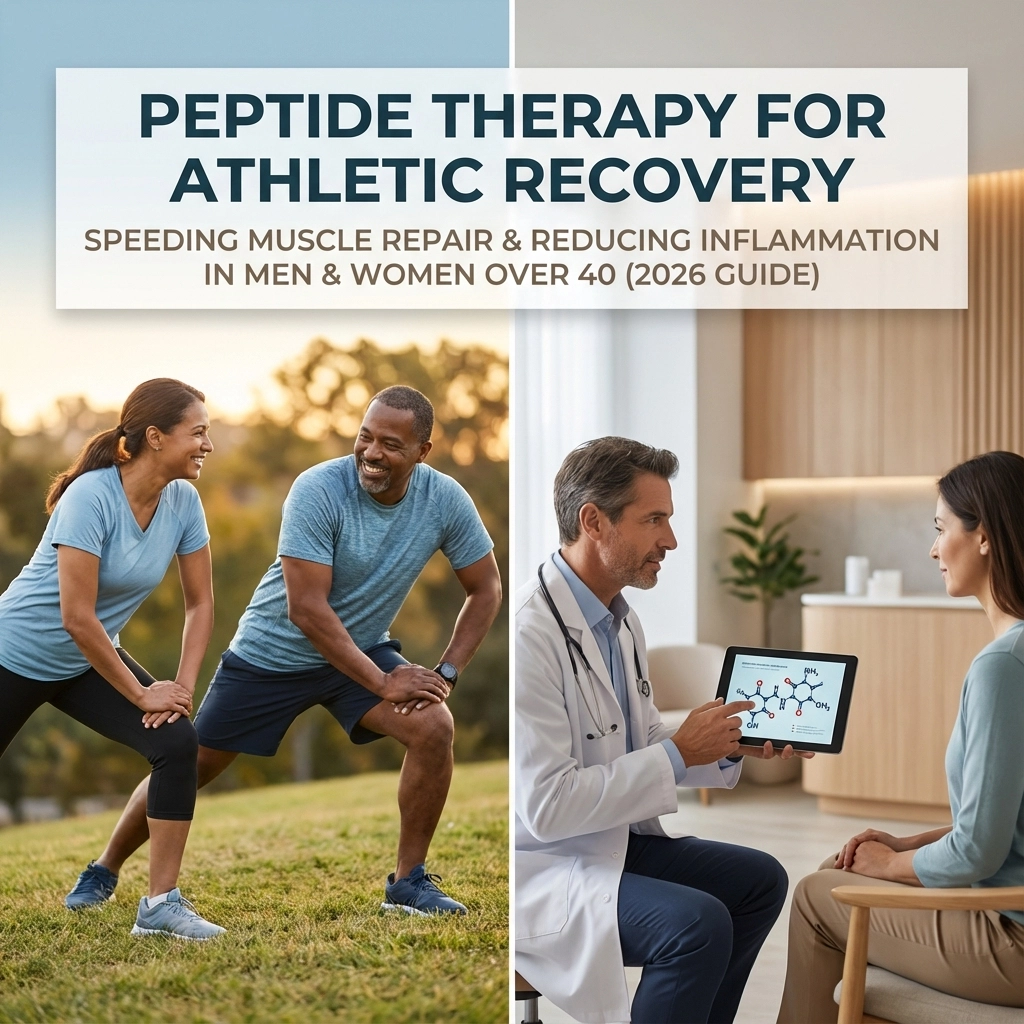
Published January 2, 2026 | By Dr. Sarah Martinez, MD
You've probably noticed it: that extra day (or three) you need between intense workouts now. The shoulder that aches after tennis. The knee that protests during your morning run. Sound familiar?
Here's the thing: if you're over 40 and still pushing your body to stay active, you're not alone in feeling like recovery takes forever. But here's what most people don't realize: there's a cutting-edge approach that's helping athletes and weekend warriors alike bounce back faster and feel stronger than they have in years.
Let's get real about peptide therapy for athletic recovery.
What Exactly Are Peptides (And Why Should You Care)?
Think of peptides as your body's natural text messages: tiny protein fragments that tell your cells exactly what to do and when to do it. When it comes to athletic recovery, specific peptides act like a direct line to your muscle repair department, essentially fast-tracking the healing process that naturally slows down as we age.
You're not imagining things when recovery feels harder now. After 40, our bodies produce fewer of these crucial signaling molecules, which means slower tissue repair, increased inflammation, and those frustrating lingering aches that make you question whether that CrossFit class was worth it.

How Peptide Therapy Revolutionizes Athletic Recovery
Here's where it gets exciting. Peptide therapy works by supplementing your body's natural repair mechanisms with targeted peptides that specifically address muscle recovery and inflammation. Rather than masking symptoms like traditional pain relievers, these peptides actually accelerate your body's healing process at the cellular level.
The Science Behind Faster Recovery
When you exercise intensely, you create microscopic tears in muscle fibers: this is completely normal and necessary for building strength. However, the repair process depends on growth factors, anti-inflammatory signals, and adequate blood flow to deliver nutrients to damaged tissue.
Peptides like BPC-157 and TB-500 enhance this natural process by:
- Stimulating the production of growth factors that accelerate tissue repair
- Modulating inflammatory responses to reduce unnecessary swelling and pain
- Improving blood flow to injured areas, delivering oxygen and nutrients more efficiently
- Promoting the formation of new blood vessels for long-term tissue health
The Recovery Game-Changers: Key Peptides You Should Know
BPC-157: The Tissue Repair Champion
If peptides had a MVP for athletic recovery, BPC-157 would take the crown. Originally derived from a protective protein found in gastric juice, this peptide has shown remarkable ability to heal muscle, tendon, and ligament injuries.
What makes BPC-157 special? It doesn't just reduce inflammation: it actively promotes the formation of new blood vessels and stimulates collagen synthesis. This means stronger, more resilient tissue that's less prone to re-injury. Studies have shown it can significantly reduce recovery time while improving overall muscle function and endurance.
TB-500: The Inflammation Fighter
TB-500 works beautifully alongside BPC-157, focusing particularly on reducing inflammation and promoting tissue regeneration. This peptide is especially valuable for addressing those stubborn overuse injuries that seem to linger despite rest and traditional treatment.
Ipamorelin: The Recovery Catalyst
This growth hormone-releasing peptide supports overall recovery by promoting better sleep quality (crucial for muscle repair), increasing lean muscle mass, and accelerating fat metabolism: all factors that contribute to better athletic performance and faster recovery.
Why Peptide Therapy is Perfect for Active Adults Over 40
Let's be honest: traditional recovery methods often fall short when you're dealing with the realities of an aging body that still wants to perform. Ice baths, NSAIDs, and extended rest periods can only do so much, and sometimes they create their own problems.
The Unique Benefits for 40+ Athletes:
Faster Bounce-Back Between Workouts
Instead of needing three days to recover from a challenging workout, many people find they can return to training within 24-48 hours with significantly less soreness and stiffness.
Joint and Connective Tissue Support
Peptides don't just focus on muscle: they support the entire musculoskeletal system, including cartilage, tendons, and ligaments that become more vulnerable to injury as we age.
Reduced Chronic Inflammation
Unlike NSAIDs that can cause gastrointestinal issues with long-term use, peptides work with your body's natural systems to manage inflammation without harmful side effects.
Enhanced Sleep Quality
Many peptides used for recovery also improve sleep quality, which is when most of your muscle repair actually happens. Better sleep equals better recovery: it's that simple.
Safety First: What You Need to Know
Your concerns about safety are completely valid and normal. Any time you're considering a new therapy, especially one involving injections, it's smart to ask tough questions.
Here's the reality: peptide therapy, when properly administered and monitored, has an excellent safety profile. Most peptides used for athletic recovery are naturally occurring in the human body, which means you're supplementing rather than introducing foreign substances.
Important Safety Considerations:
- Always work with a qualified medical provider who specializes in peptide therapy
- Start with conservative dosing and monitor your response
- Be aware that individual responses can vary
- Report any unusual symptoms or side effects immediately
- Ensure your peptides come from reputable, regulated sources

What Makes VidaVital's Approach Different
At VidaVital Medical, we understand that no two athletes are alike: especially when you're dealing with the unique recovery challenges that come with being over 40.
Our approach goes beyond simply prescribing peptides. We start with comprehensive testing to understand your current hormone levels, inflammatory markers, and overall health status. This allows us to create a personalized protocol that addresses your specific recovery needs and athletic goals.
We also provide ongoing monitoring and adjustment of your protocol, ensuring you're getting optimal results while maintaining safety. Our team includes providers who understand the demands of an active lifestyle and can help you integrate peptide therapy seamlessly into your training routine.
Getting Started: Your First Steps
If you're tired of accepting slower recovery as an inevitable part of aging, here's how to move forward:
1. Schedule a Consultation
Start with a thorough evaluation that includes blood work to assess your current health status and identify any underlying issues affecting recovery.
2. Develop Your Personalized Protocol
Based on your results, athletic goals, and health history, your provider will design a specific peptide regimen tailored to your needs.
3. Learn Proper Administration
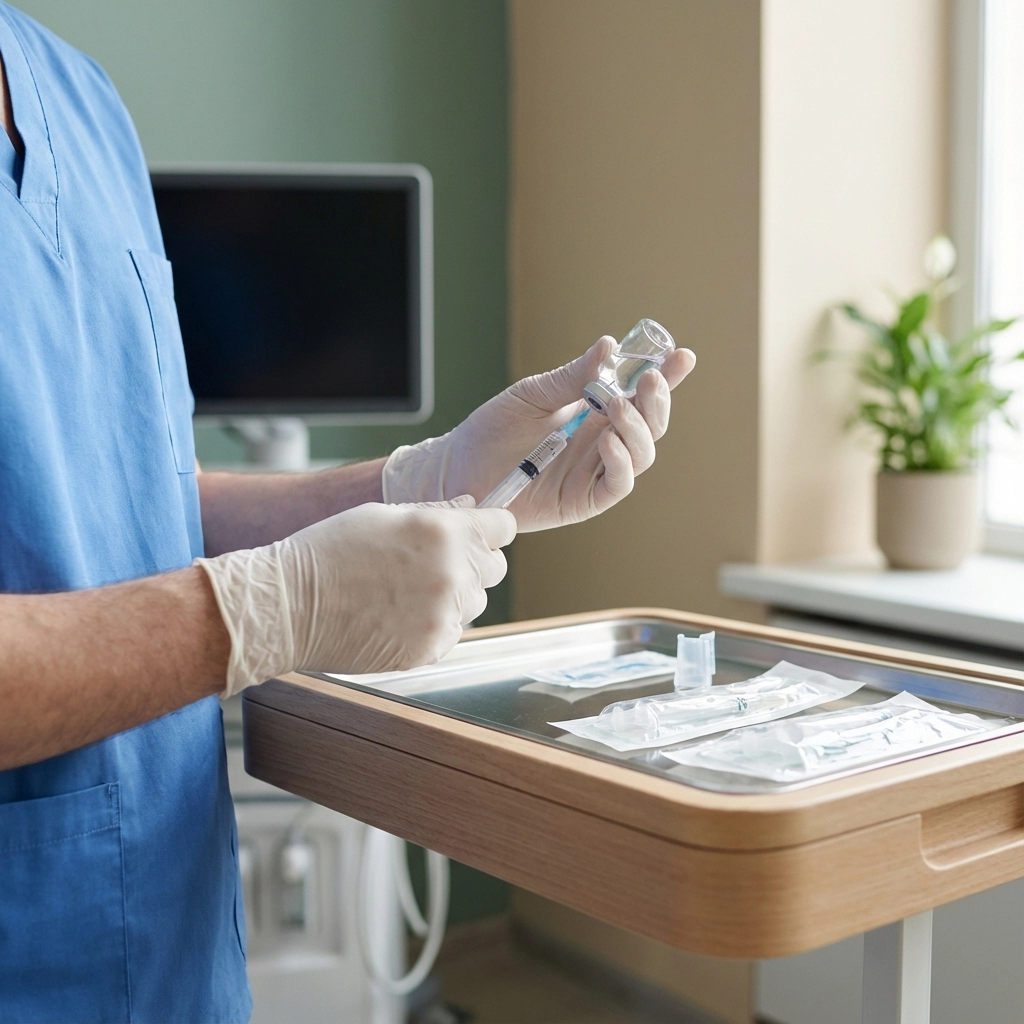
While most recovery peptides are administered via injection, the process is straightforward. You'll receive comprehensive training on proper technique and storage.
4. Monitor and Adjust
Regular follow-ups ensure your protocol remains effective and safe as your body adapts and your athletic performance improves.
Frequently Asked Questions
Q: How quickly will I see results from peptide therapy?
A: Many people notice improved sleep and reduced soreness within the first week. Significant improvements in recovery time and tissue healing typically become apparent within 2-4 weeks of consistent use.
Q: Are peptides legal for competitive athletes?
A: This varies by sport and governing body. Many peptides used for recovery are prohibited by WADA and other athletic organizations. Always check with your sport's governing body before starting any peptide therapy.
Q: Can I use peptides alongside other recovery methods?
A: Absolutely. Peptide therapy complements other recovery strategies like massage, stretching, proper nutrition, and adequate sleep. In fact, combining approaches often produces the best results.
Q: What's the cost of peptide therapy for athletic recovery?
A: Costs vary based on the specific peptides used and length of treatment. During your consultation, we'll discuss pricing and help you understand the investment involved.
Q: Are there any long-term risks?
A: Current research suggests that peptides used for recovery have excellent long-term safety profiles when properly administered and monitored by qualified providers.
Dr. Sarah Martinez, MD, is a board-certified physician specializing in regenerative medicine and athletic performance optimization. With over 15 years of experience treating active adults and competitive athletes, Dr. Martinez has extensive expertise in peptide therapy applications for recovery and performance enhancement.
Ready to revolutionize your recovery? Your best athletic years don't have to be behind you. Contact VidaVital Medical today to schedule your consultation and discover how peptide therapy can help you recover faster, train harder, and feel stronger than you have in years.