

The Role of Hormones in Men's Health
Hormonal changes can affect energy, metabolism, and overall health over time. Many adult men begin noticing subtle shifts in how they feel, often without understanding the underlying cause. These changes may include persistent fatigue, difficulty maintaining focus, or a general sense that something is different.
A thorough medical evaluation is an important first step before considering any treatment. Understanding how hormones function in the body provides valuable context for men who want to take a proactive approach to their wellness.
Testosterone plays a central role in numerous physiological processes beyond what most people realize. It influences muscle mass, bone density, red blood cell production, and cognitive function. When levels decline or become imbalanced, the effects can ripple across multiple areas of health and daily life.
Understanding Hormonal Changes in Men
Why Hormone Levels Fluctuate
Hormone levels naturally shift throughout a man's life. While these changes are a normal part of aging, they can sometimes occur earlier or more significantly than expected. Research indicates that testosterone levels may begin declining gradually after age 30, though individual experiences vary considerably.
Several factors can influence hormonal health beyond age alone. Sleep quality, stress levels, nutritional status, and underlying health conditions all play interconnected roles. This complexity is precisely why a one-size-fits-all approach rarely addresses the full picture.

Common Signs of Hormonal Imbalance
Men experiencing hormonal changes may notice a range of symptoms that affect daily functioning. These can include ongoing fatigue that does not improve with rest, reduced motivation, changes in mood, and difficulty concentrating on tasks that previously felt manageable.
Physical changes may also occur, such as increased body fat, decreased muscle tone, or reduced physical endurance. Some men report changes in sleep patterns, including difficulty falling asleep or waking frequently throughout the night. These symptoms often develop gradually, making them easy to dismiss or attribute to other causes.
It is important to recognize that these signs can stem from various health conditions. This underscores why a comprehensive assessment matters before drawing conclusions about hormonal status.
The Importance of Individual Assessment
Every man's physiology is unique. Factors such as body composition, lifestyle habits, existing health conditions, and even genetics influence how hormones function in the body. What constitutes a healthy hormonal range for one individual may differ from another.
This variability makes personalized evaluation essential. Generic reference ranges provide a starting point, but they cannot account for individual differences that may significantly impact how a man feels and functions day to day.
Medical Evaluation and Professional Oversight
What a Comprehensive Evaluation Includes
A proper medical evaluation for hormonal health involves more than checking a single hormone level. Comprehensive assessments typically include multiple blood tests that examine how various systems interact within the body.
Common components of diagnostic lab testing for men's hormonal health include:
- Total and free testosterone levels
- Thyroid function markers
- Metabolic indicators including blood sugar regulation
- Complete blood count for overall health status
- Prostate health markers
- Additional hormones that influence testosterone function
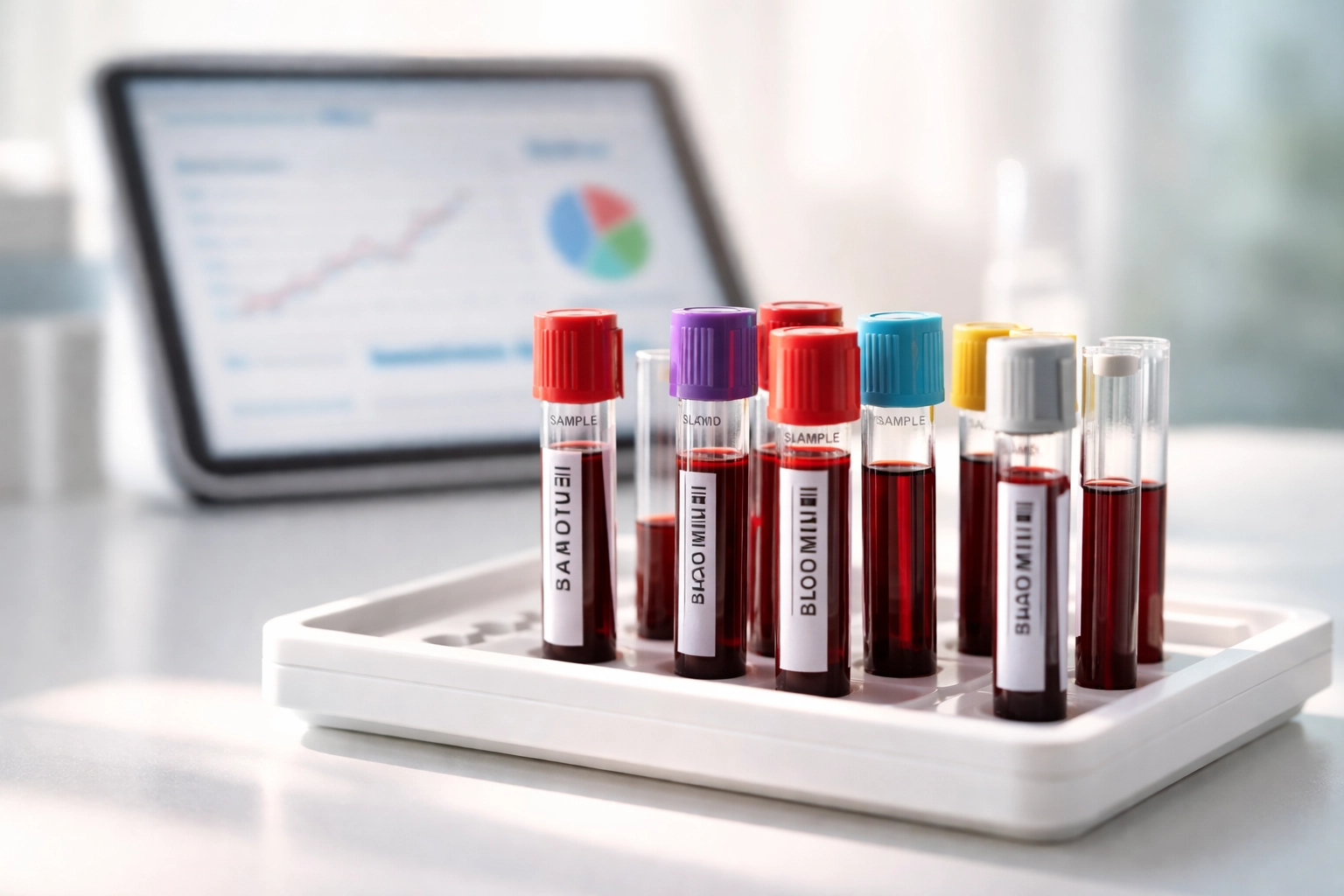
These tests work together to create a complete picture of a man's hormonal and metabolic health. Interpreting results requires clinical expertise, as the relationships between different markers can reveal important patterns.
The Role of a Licensed Medical Provider
Working with a licensed medical provider ensures that test results are interpreted within the proper clinical context. Providers trained in hormonal health understand how to weigh multiple factors simultaneously, including symptoms, lab findings, medical history, and individual health goals.
This professional oversight matters because hormonal health connects to cardiovascular function, metabolic wellness, and other vital systems. A qualified provider can identify when symptoms might indicate hormonal imbalance versus another underlying condition that requires different attention.
Establishing Baseline Health
Before any treatment considerations, establishing baseline health markers provides essential information. This initial assessment serves as a reference point for understanding current status and monitoring any future changes.
Baseline testing also helps identify potential contraindications or factors that might influence care decisions. This thorough approach prioritizes patient safety while ensuring that any subsequent steps are well-informed.
Clinical Approaches to Hormonal Care
Individualized Treatment Planning
When hormonal support is appropriate, treatment plans should reflect each patient's unique circumstances. Clinically supervised care takes into account lab results, symptom patterns, lifestyle factors, and personal health objectives.
This individualized approach recognizes that what works well for one patient may not be the right fit for another. Ongoing communication between patient and provider allows for adjustments based on response and evolving needs.

The Value of Ongoing Medical Oversight
Hormonal health management is not a single intervention but rather an ongoing process. Regular follow-up appointments and periodic lab testing help ensure that care remains appropriately calibrated over time.
Ongoing medical oversight allows providers to monitor key health markers, assess how patients are responding, and make evidence-based adjustments when needed. This continuous relationship supports both safety and effectiveness throughout the care journey.
Lifestyle Factors That Support Hormonal Health
Medical care works most effectively when combined with supportive lifestyle practices. Sleep quality, stress management, physical activity, and nutrition all influence how the body produces and utilizes hormones.
Providers often discuss these factors as part of a comprehensive care approach. Small, sustainable changes in daily habits can complement clinical interventions and support overall wellness outcomes.
Hormonal Health Resources in Albuquerque
Men in Albuquerque have access to medical clinics that specialize in hormonal health evaluation and ongoing care. Seeking out providers who offer comprehensive testing and personalized treatment planning can make a meaningful difference in the quality of care received.
When selecting a clinic, consider factors such as the thoroughness of initial evaluations, the qualifications of medical staff, and the availability of follow-up support. A clinic that prioritizes diagnostic lab testing and individualized assessment demonstrates a commitment to evidence-based care.
For those interested in exploring hormone health services, you can learn more about evaluation options available in the Albuquerque area.
Taking an Informed Approach to Hormonal Wellness
Understanding hormonal health empowers men to make informed decisions about their care. Rather than dismissing symptoms or accepting them as inevitable, seeking professional guidance opens the door to clarity and potential solutions.
A thorough medical evaluation provides the foundation for understanding what is happening within your body. From there, working with qualified professionals ensures that any steps taken are grounded in clinical evidence and tailored to your individual needs.
If you have been experiencing symptoms that concern you, consider scheduling a consultation with a healthcare provider who specializes in men's hormonal health. Taking that first step toward evaluation is an investment in understanding your body and supporting your long-term wellness.