

You've noticed things have changed. Maybe it started with feeling tired no matter how much sleep you got. Or perhaps your motivation to hit the gym: or do much of anything: has quietly faded. The mental fog, the irritability, the changes in how you feel physically and emotionally. These aren't just signs of "getting older." For many men, these shifts point to something specific and treatable: declining testosterone levels.
If you've been brushing off these symptoms or chalking them up to stress and busy schedules, you're not alone. But here's the thing: understanding what's happening in your body is the first step toward feeling like yourself again. This guide breaks down everything you need to know about hormone optimization and testosterone replacement therapy, including the medical process that makes safe, effective treatment possible.
What Testosterone Actually Does in Your Body
Testosterone isn't just about muscle mass or libido: though it certainly plays a role in both. This hormone influences nearly every system in your body, from your cardiovascular health to your cognitive function.
In men, testosterone helps regulate energy levels, mood stability, bone density, fat distribution, and red blood cell production. It affects how you sleep, how you think, and how you respond to stress. When levels drop below optimal ranges, the effects can show up in ways you might not immediately connect to hormones.
The tricky part? Testosterone levels naturally decline as men age: typically around 1% per year after age 30. But for some men, this decline happens faster or drops lower than what's considered healthy. That's when symptoms become hard to ignore.

Recognizing the Signs of Low Testosterone
Low testosterone, sometimes called hypogonadism, doesn't always announce itself with obvious symptoms. Many men experience a gradual shift that's easy to dismiss or attribute to other factors.
Common signs that your hormone levels may need attention include:
- Persistent fatigue that doesn't improve with rest
- Decreased interest in activities you once enjoyed
- Difficulty concentrating or experiencing mental fog
- Reduced muscle strength despite regular exercise
- Increased body fat, particularly around the midsection
- Changes in mood, including irritability or low motivation
- Diminished libido or changes in sexual function
If several of these resonate with you, it's worth having a conversation with a licensed medical provider. These symptoms can overlap with other conditions, which is exactly why proper evaluation matters.
Why a Medical Evaluation Is the Starting Point
Here's where things get important: hormone optimization isn't a one-size-fits-all solution, and it's definitely not something to approach without proper medical guidance. A thorough medical evaluation is essential before considering any treatment.
During this initial assessment, your provider will review your complete health history, discuss your symptoms in detail, and identify any factors that might be contributing to how you feel. This isn't a rushed conversation: it's the foundation for understanding your unique situation.
Your provider will also screen for conditions that could influence treatment decisions. Certain health factors need to be considered before moving forward, which is why working with a qualified medical team matters so much.
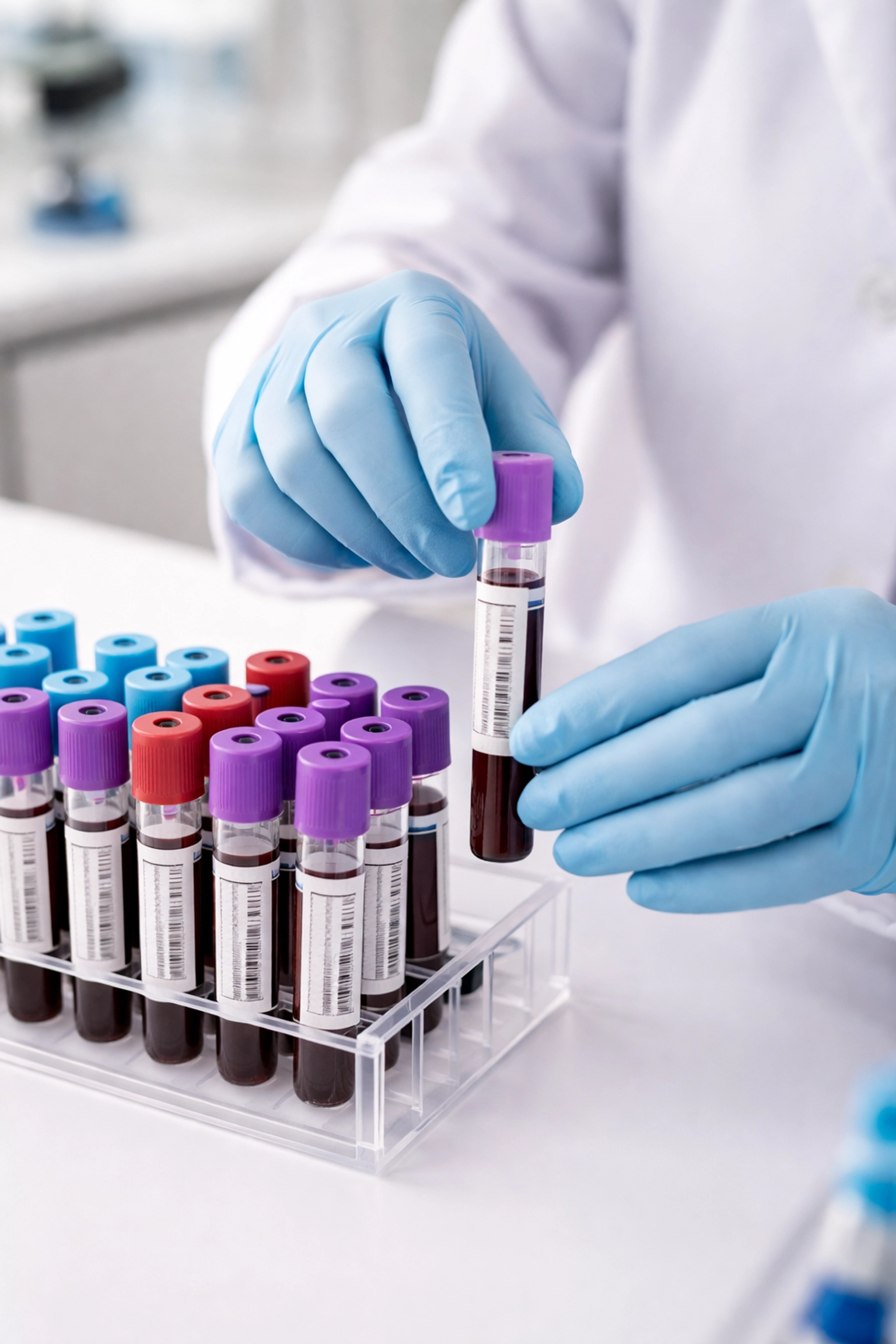
The Critical Role of Diagnostic Lab Testing
You can't manage what you don't measure. That's why diagnostic lab testing is a non-negotiable part of the hormone optimization process.
Blood work provides objective data about your current testosterone levels, including both total and free testosterone. But comprehensive testing goes beyond just testosterone: it typically includes:
- Complete blood count (CBC) to assess red blood cell levels
- Metabolic panel to evaluate liver and kidney function
- Lipid panel to understand cardiovascular markers
- PSA screening for prostate health baseline
- Thyroid function tests to rule out other hormonal imbalances
These results give your provider the complete picture needed to determine whether testosterone replacement therapy is appropriate for you. They also establish baseline measurements that become crucial for monitoring your progress over time.
How Individualized Care Plans Are Developed
This is where the "personalized" part of personalized medicine really comes into play. Your treatment plan isn't pulled from a template: it's built around your specific lab results, health history, symptoms, and goals.
Individualized care means your provider considers factors unique to you: your age, lifestyle, existing health conditions, and what you're hoping to achieve. Some men primarily want more energy. Others are focused on improving body composition or mental clarity. Your care plan reflects your priorities.
Treatment approaches can vary significantly from person to person. Dosing, delivery methods, and monitoring schedules are all tailored based on how your body responds. What works perfectly for one patient might need adjustment for another: and that's completely normal.
For patients in Brookfield seeking hormone optimization, working with a medical clinic that prioritizes this customized approach makes a meaningful difference in outcomes.
What Ongoing Medical Oversight Actually Looks Like
Starting treatment is just the beginning. Ongoing medical oversight is what separates safe, effective hormone optimization from the risky approaches you might encounter elsewhere.
Regular follow-up appointments allow your provider to assess how you're responding to treatment, both in terms of how you feel and what your lab work shows. These check-ins typically occur more frequently at first: often within the first few months: then transition to a regular monitoring schedule.
During these visits, your provider will:
- Review updated lab work to ensure levels are optimizing safely
- Monitor for any changes in cardiovascular or prostate health markers
- Adjust your treatment plan based on your response
- Address any concerns or side effects you've noticed
- Track your progress toward your health goals
This level of supervision is what makes medically managed hormone therapy different from unmonitored approaches. It's not just about getting your levels up: it's about doing so safely while protecting your overall health.

Understanding the Benefits and Considerations
When testosterone levels are restored to healthy ranges under proper medical supervision, many men experience significant improvements. Research supports potential benefits including enhanced energy, improved mood and cognitive function, increased lean muscle mass, and better sexual health.
However, it's important to approach treatment with realistic expectations. Results vary from person to person, and improvements typically develop gradually over weeks to months: not overnight. Your provider will help you understand what timeline makes sense for your situation.
There are also considerations that make honest conversation with your medical team essential. For example, testosterone therapy isn't appropriate for men who are actively trying to conceive, as it can affect fertility. Your provider will discuss all relevant factors during your evaluation.
Is Hormone Optimization Right for You?
The only way to know for certain is through proper evaluation and testing. Symptoms alone aren't enough to diagnose low testosterone: and treating based on symptoms without confirming the underlying cause can actually create more problems.
If you've been experiencing the signs discussed in this guide and traditional approaches haven't helped you feel better, it may be time to explore whether hormone levels are playing a role. Many men are surprised to learn that what they've been struggling with has a physiological explanation: and a path forward.
The men we see at our Brookfield medical clinic often share that they wish they'd looked into this sooner. There's no judgment here about timing. What matters is taking that first step when you're ready.
Taking the Next Step
Understanding your hormones doesn't have to be complicated, but it does require the right medical partnership. A licensed medical provider who specializes in hormone optimization can help you navigate the process from initial evaluation through ongoing care.
If the symptoms and information in this guide resonated with you, consider scheduling a consultation to discuss your concerns. Diagnostic lab testing can provide clarity, and from there, you and your provider can make informed decisions together about whether treatment makes sense for your situation.
You don't have to accept feeling less than your best as an inevitable part of aging. With the right support and a medically sound approach, many men find their way back to the energy, clarity, and vitality they thought were behind them.