

If you've noticed more hair in your brush, a wider part line, or thinning around your temples, you're not imagining it. Hair changes can be subtle at first, but they often carry significant emotional weight. Many adults feel caught off guard when their hair begins to thin, wondering whether it's temporary, genetic, or something that requires professional attention.
Here's what most people don't realize: hair health is deeply connected to your overall wellness. Thinning and loss are rarely isolated issues. They often reflect underlying factors that deserve proper evaluation before any intervention is considered. Understanding the clinical perspective on hair restoration can help you make informed decisions about your care.
Why Hair Thinning Happens
Hair growth follows a natural cycle that includes active growth, transition, and rest phases. Under normal circumstances, you lose between 50 and 100 hairs daily as part of this cycle. However, when something disrupts the balance, you may notice excessive shedding, gradual thinning, or patchy loss.
Several factors can contribute to hair changes:
- Hormonal fluctuations, particularly shifts in androgens
- Nutritional deficiencies, including iron, vitamin D, and biotin
- Thyroid dysfunction or other metabolic imbalances
- Chronic stress or inflammatory conditions
- Genetic predisposition to pattern hair loss
- Autoimmune responses affecting the scalp
The challenge is that many of these causes overlap or coexist. What looks like simple hereditary thinning might actually involve hormonal imbalances or nutritional gaps that, if addressed, could improve outcomes significantly.

Recognizing When to Seek Professional Guidance
You might wonder whether your hair changes warrant a visit to a licensed medical provider. The answer depends on several factors, but there are clear signs that professional evaluation makes sense.
Consider seeking clinical guidance if you experience:
- Sudden or rapid hair loss over weeks or months
- Noticeable thinning across the crown, temples, or part line
- Patchy areas of loss or visible scalp
- Hair changes accompanied by fatigue, weight fluctuations, or mood shifts
- Loss that doesn't respond to over-the-counter approaches
Waiting too long can complicate matters. Hair follicles that remain dormant for extended periods may become increasingly difficult to reactivate. Early evaluation gives you more options and a clearer picture of what's actually happening beneath the surface.
The Critical Role of Medical Evaluation
Before considering any hair restoration approach, a thorough medical evaluation is essential. This isn't about rushing into treatment: it's about understanding the root cause of your hair changes so that any intervention addresses the actual problem.
A comprehensive evaluation typically includes a detailed health history, scalp examination, and diagnostic lab testing. Blood work can reveal hormonal imbalances, thyroid dysfunction, nutritional deficiencies, and inflammatory markers that directly impact hair health. Without this information, any treatment approach is essentially guesswork.
What lab testing might assess:
- Thyroid function markers
- Iron levels and ferritin stores
- Vitamin D status
- Hormone panels, including androgens
- Inflammatory markers
- Blood sugar and metabolic indicators
This diagnostic foundation allows your provider to determine whether your hair changes stem from a correctable underlying issue, genetic factors, or a combination of both. The findings shape every recommendation that follows.

A Clinical Approach to Hair Health
Effective hair restoration begins with recognizing that no single approach works for everyone. Your genetics, health status, lifestyle, and the nature of your hair loss all influence which strategies make sense for your situation.
Clinically supervised care focuses on addressing contributing factors while supporting the hair growth cycle through evidence-based methods. This might involve correcting nutritional deficiencies, optimizing hormonal balance, or utilizing regenerative therapies that promote follicular health at the cellular level.
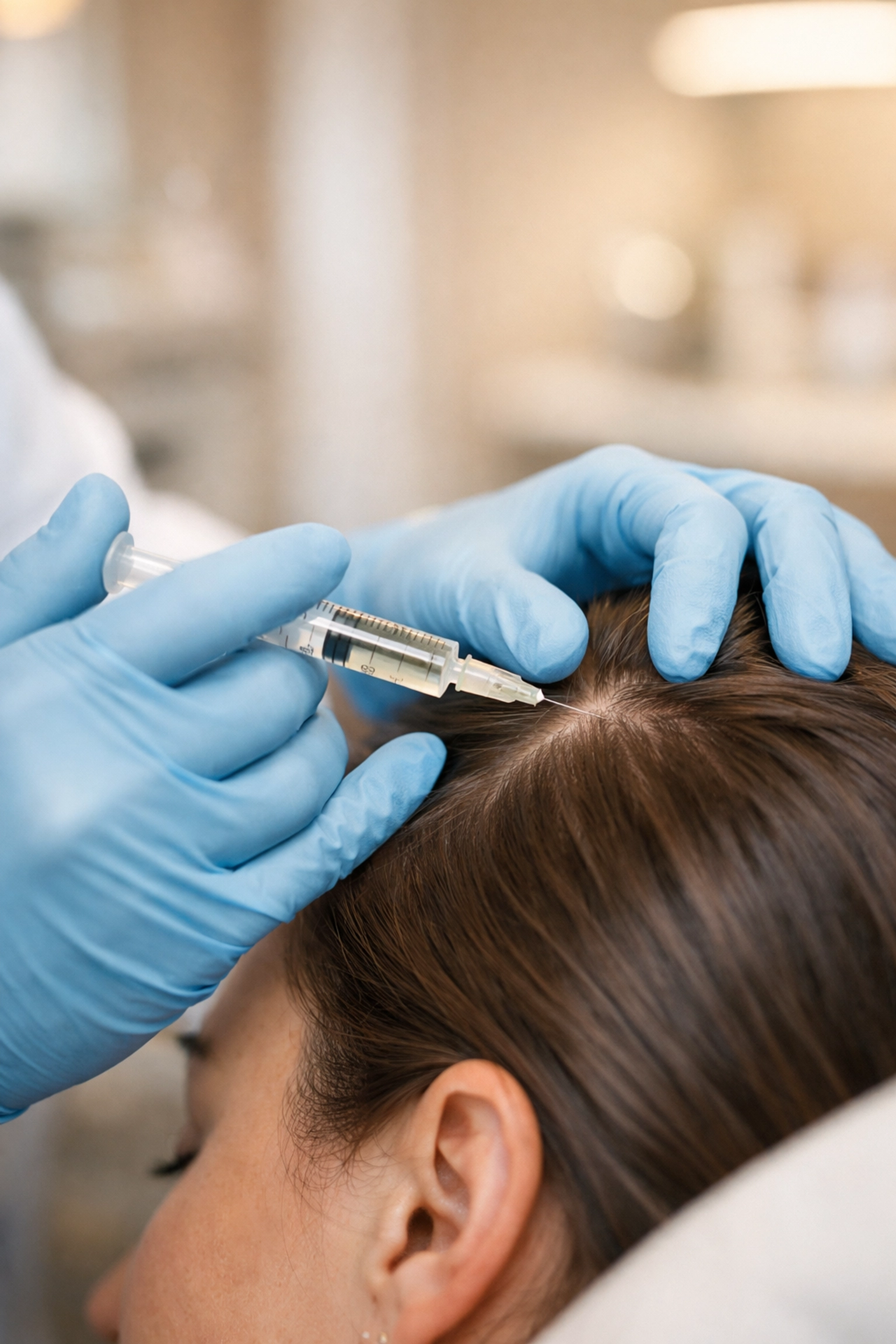
Some patients benefit from platelet-rich plasma therapy, which concentrates growth factors from your own blood and delivers them to the scalp. Research suggests this approach can increase hair follicle density by activating dormant follicles. Others may be candidates for advanced procedures that transplant healthy follicles to thinning areas.
The key distinction with medically supervised hair restoration is the emphasis on individualized care. Your provider monitors your progress, adjusts protocols as needed, and ensures that any intervention aligns with your overall health picture. This ongoing relationship matters because hair restoration is rarely a one-time event: it's a process that unfolds over multiple growth cycles.
Results typically develop gradually. Many patients notice improvements in hair quality and texture before seeing changes in density. Some experience temporary shedding early in treatment, which actually indicates follicular activation rather than further loss.
What to Expect From Ongoing Medical Oversight
Hair restoration isn't a set-it-and-forget-it process. Ongoing medical oversight ensures that your care adapts as your body responds and your needs evolve. Regular follow-up appointments allow your provider to assess progress, refine your treatment plan, and address any new concerns that arise.
This continuity of care distinguishes clinical hair restoration from over-the-counter products or unmonitored approaches. When a licensed medical provider guides your journey, you benefit from expertise that accounts for the complexity of hair health and its connection to your broader wellness.
Finding Clinical Hair Restoration Support in Boca Raton
For patients in Boca Raton seeking professional guidance on hair health, working with a medical clinic that emphasizes thorough evaluation and individualized protocols makes a meaningful difference. The right clinical environment provides access to diagnostic testing, evidence-based therapies, and the expertise to navigate your unique situation.
Many adults in Boca Raton discover that addressing hair concerns through a medically supervised approach yields more sustainable results than attempting to manage the issue independently. When you understand the underlying factors contributing to your hair changes, you can make informed decisions about your care path.
You can learn more about clinical hair restoration and the evaluation process to determine whether this approach aligns with your needs.
Frequently Asked Questions
How long does it take to see results from hair restoration?
Results vary based on individual factors, but most patients begin noticing changes in hair quality within a few months. Density improvements typically develop over six to twelve months as hair progresses through its natural growth cycles.
Is hair restoration appropriate for everyone?
Not necessarily. A medical evaluation helps determine whether you're a suitable candidate based on the type and stage of your hair loss, overall health, and realistic expectations. Some individuals may benefit more from addressing underlying health factors before pursuing restoration therapies.
Why is lab testing necessary before treatment?
Lab testing identifies hormonal imbalances, nutritional deficiencies, and other factors that contribute to hair loss. Addressing these underlying issues often improves outcomes and ensures that treatment targets the actual cause of your hair changes.
Can hair restoration reverse complete baldness?
Advanced hair loss where follicles have been completely lost or replaced by scar tissue presents greater challenges. Earlier intervention typically offers more options. Your provider can assess follicular health during your evaluation to give you a realistic picture of potential outcomes.
Moving Forward With Confidence
Hair thinning and loss can feel isolating, but you don't have to navigate these changes without guidance. Understanding the clinical perspective on hair health empowers you to ask better questions, seek appropriate evaluation, and make decisions grounded in accurate information about your unique situation.
The first step is always a thorough assessment with a licensed medical provider who can identify what's actually happening and recommend a path forward tailored to your needs. Whether your hair changes stem from hormonal shifts, nutritional gaps, or genetic factors, knowing the cause positions you to pursue care that addresses the real issue rather than just the visible symptoms.