
If you've noticed more hair in your brush, a widening part, or thinning areas that weren't there a few years ago, you're not imagining it. Hair loss affects millions of men and women, and it's one of the most emotionally challenging changes your body can go through. The good news? You don't have to accept it as inevitable.
Hair restoration has evolved significantly, and today's medical approaches go far beyond what was available even a decade ago. Whether you're just starting to notice changes or have been dealing with thinning hair for years, understanding your options: and the importance of working with qualified professionals: can make all the difference in your journey.
Understanding Why Hair Loss Happens
Before exploring solutions, it helps to understand what's actually going on beneath your scalp. Hair loss isn't simply about getting older. It's a complex biological process influenced by genetics, hormones, nutritional deficiencies, stress, and underlying health conditions.
Common factors contributing to hair loss include:
- Hormonal imbalances that affect the hair growth cycle
- Nutritional deficiencies in key vitamins and minerals
- Autoimmune responses that target hair follicles
- Chronic stress that pushes follicles into a resting phase
- Genetic predisposition passed down through family lines
The key insight here is that hair loss rarely has a single cause. That's why a thorough medical evaluation is essential before pursuing any treatment. Without understanding the root cause of your specific hair loss pattern, even the most advanced treatments may fall short of their potential.

Medical Approaches to Hair Restoration
Today's hair restoration landscape includes both surgical and non-surgical options, each suited to different situations and goals. Here's what you should know about the primary medical strategies available.
Surgical Transplantation Techniques
For individuals with more advanced hair loss, surgical transplantation remains a powerful option. The most widely used technique involves harvesting individual hair follicles from areas where hair grows densely: typically the back or sides of your scalp: and transplanting them to thinning areas.
What makes this approach effective:
- Each follicle is positioned to match your natural hair growth direction
- Results develop gradually as transplanted follicles establish themselves
- The procedure is performed under local anesthesia by trained specialists
Surgical options work best when you have sufficient donor hair and realistic expectations about the process. A licensed medical provider can assess whether this approach aligns with your individual situation and goals.
Non-Surgical Regenerative Treatments
Not everyone needs: or wants: surgery. Non-surgical approaches have advanced remarkably and can be highly effective, especially for individuals in the early to moderate stages of hair thinning.
Platelet-Rich Plasma (PRP) Therapy
PRP therapy uses your body's own healing mechanisms to support hair restoration. The process involves drawing a small blood sample, concentrating the platelets through a specialized process, and injecting them into targeted areas of your scalp.
This approach works by delivering concentrated growth factors directly to weakening follicles, potentially reactivating them and supporting healthier hair production. PRP is particularly well-suited for individuals whose follicles are still active but underperforming.
Regenerative Growth Factor Treatments
Advanced regenerative medicine technologies now allow providers to deliver targeted bio-signals that may help awaken dormant hair follicles. These treatments are administered in-clinic through techniques designed to enhance penetration and stimulate the scalp's natural healing response.
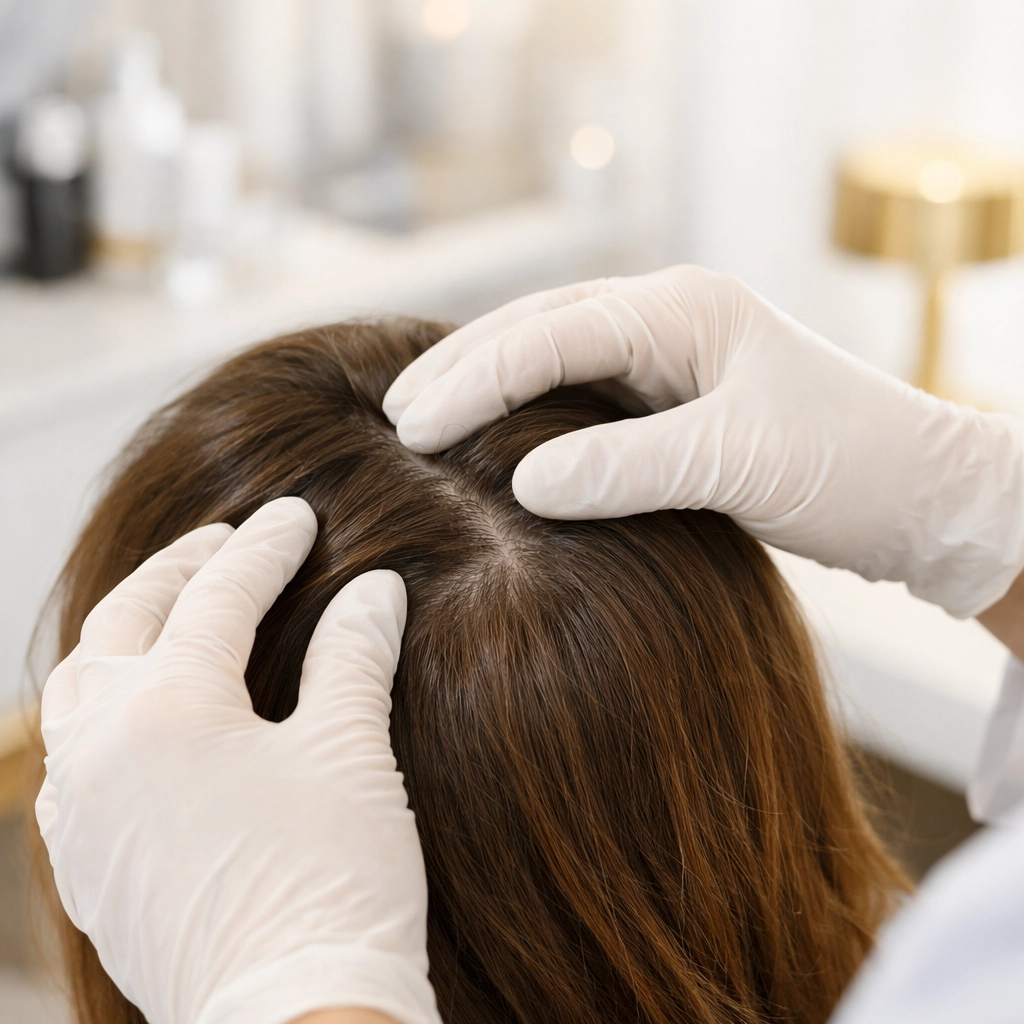
Laser-Based Therapies
Low-level laser therapy represents another non-invasive option that works by stimulating cellular activity within hair follicles. This approach can support both men and women experiencing thinning and is often used alongside other treatments as part of a comprehensive plan.
The Critical Role of Diagnostic Lab Testing
Here's something many people overlook: effective hair restoration starts with understanding your body's internal environment. Diagnostic lab testing provides crucial insights that guide treatment decisions.
Labs can reveal:
- Thyroid function abnormalities affecting hair growth
- Iron deficiency or other nutritional gaps
- Hormonal imbalances that may be accelerating hair loss
- Inflammatory markers suggesting underlying conditions
Without this information, treatment becomes guesswork. With it, your provider can develop a targeted approach that addresses the actual causes of your hair loss: not just the visible symptoms.
For residents of Coral Gables seeking hair restoration, this diagnostic-first approach separates truly comprehensive care from one-size-fits-all treatments that may not address your specific needs.
Why Provider Oversight Matters
Hair restoration isn't a single treatment: it's a process that unfolds over time. That's why ongoing medical oversight plays such a crucial role in achieving meaningful results.
What proper oversight includes:
- Regular progress assessments to track how your scalp responds
- Treatment adjustments based on your individual response
- Monitoring for any complications or concerns
- Integration with your overall health picture
Working with qualified professionals means you're not navigating this journey alone. Your provider can help you set realistic expectations, understand what you're seeing as treatment progresses, and make informed decisions about next steps.

Choosing the Right Path Forward
With multiple treatment options available, how do you know which approach is right for you? The answer depends on several factors unique to your situation:
- The extent and pattern of your hair loss
- The health and density of your donor areas
- Your overall health status and any underlying conditions
- Your personal goals and preferences
- Your commitment to the treatment process
This is precisely why consultation with experienced providers matters so much. At VidaVital Medical, we believe in creating individualized plans rather than pushing everyone toward the same solution.
Taking Your Next Step
If you're ready to explore what's possible for your hair restoration journey in Coral Gables, the path forward starts with conversation. Understanding your options, asking questions, and getting a clear picture of what comprehensive care looks like can help you move forward with confidence.
You deserve to work with a team that listens, evaluates thoroughly, and supports you throughout the process. Learn more about our approach to hair restoration and discover how a medically guided strategy might help you reclaim not just your hair: but your confidence.
Your hair tells a story. Let's make sure it's one you're proud of.