
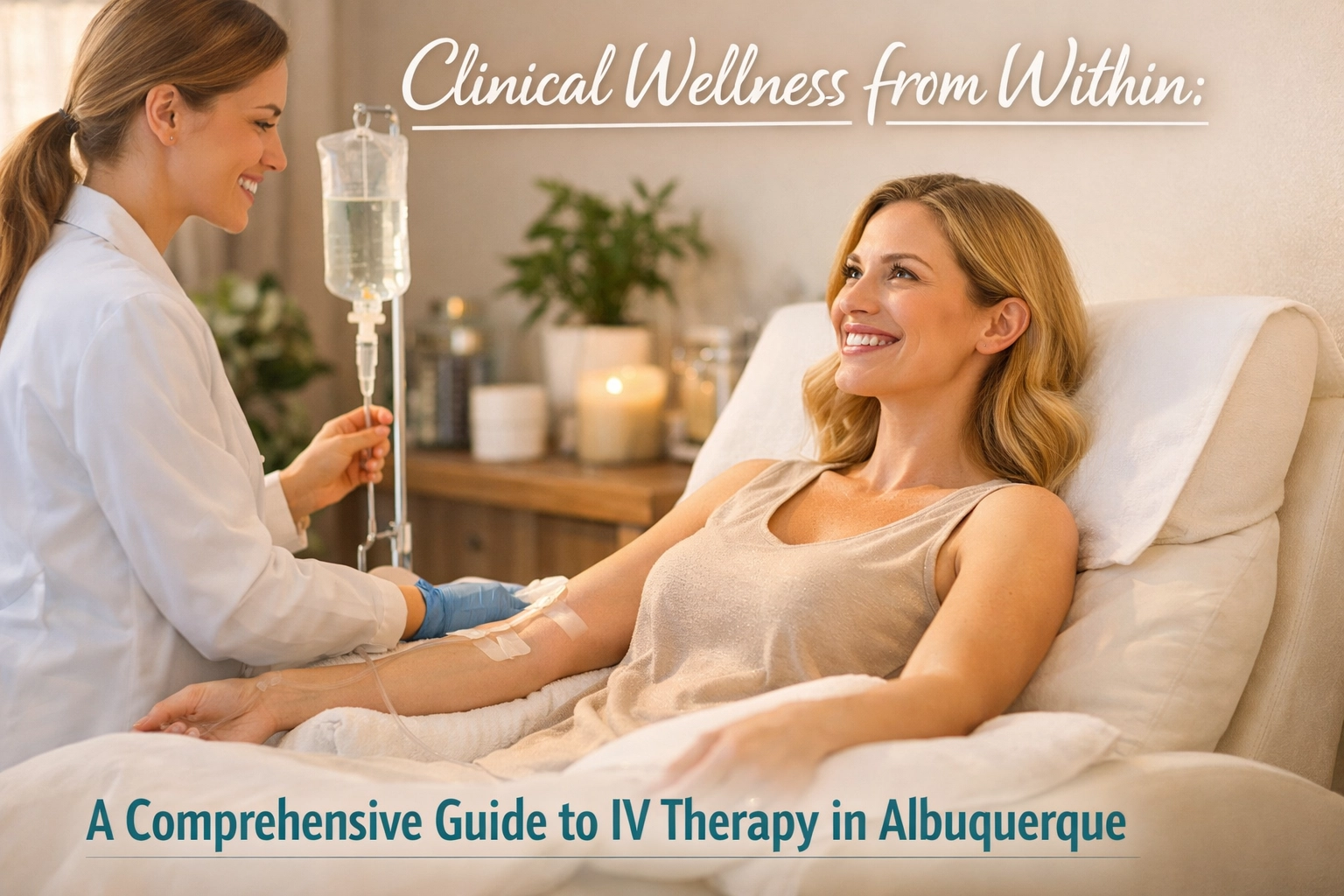
Intravenous nutrient therapy has evolved from a purely clinical intervention into a comprehensive wellness approach that supports cellular function, hydration status, and overall vitality. As more individuals seek proactive strategies to optimize their health, IV therapy has emerged as a medically supervised option that delivers nutrients directly into the bloodstream. This method bypasses the digestive system entirely, allowing for rapid absorption and bioavailability that oral supplementation cannot achieve.
The growing interest in IV therapy wellness reflects a broader shift toward preventive health strategies and personalized medical care. Rather than waiting for deficiencies to manifest as symptoms, many adults are exploring how targeted nutritional support can complement their existing health routines. Understanding the clinical foundations, medical oversight, and evidence-based approaches to IV therapy helps individuals make informed decisions about whether this intervention aligns with their wellness goals.
Understanding IV Therapy as a Clinical Intervention
Intravenous therapy involves the administration of fluids, vitamins, minerals, and other nutrients directly into the venous system through a small catheter. This delivery method ensures that 100% of the administered nutrients reach systemic circulation, compared to oral supplements which must pass through the digestive tract where absorption rates vary significantly. The human body's ability to absorb nutrients orally is influenced by numerous factors including gut health, enzyme production, medication interactions, and individual metabolic differences.

Clinical IV therapy has been used in hospital settings for decades to treat dehydration, nutrient deficiencies, and various medical conditions requiring rapid intervention. The wellness application of IV therapy draws on these same medical principles but focuses on optimization rather than acute treatment. Common formulations may include B-complex vitamins, vitamin C, magnesium, calcium, amino acids, and antioxidants designed to support energy production, immune function, muscle recovery, and cellular repair processes.
The physiological rationale for IV nutrient delivery centers on achieving therapeutic blood levels that would be difficult or impossible to reach through oral intake alone. For example, high-dose vitamin C administered intravenously can reach plasma concentrations that far exceed what oral dosing allows, potentially supporting immune function and antioxidant capacity in ways that standard supplementation cannot.
The Importance of Medical Evaluation and Diagnostic Testing
Responsible IV therapy begins with comprehensive medical evaluation by a licensed medical provider who can assess individual health status, review medical history, and identify any contraindications. Not everyone is an appropriate candidate for IV therapy, and certain medical conditions or medications may require modified protocols or alternative approaches. This initial assessment ensures that the intervention is both safe and potentially beneficial for the individual's specific circumstances.
Diagnostic lab testing plays a crucial role in personalizing IV therapy protocols. Blood work can reveal existing nutrient deficiencies, kidney function status, electrolyte balance, and other biomarkers that inform treatment decisions. Without this objective data, IV therapy becomes a generalized approach rather than a targeted intervention. Laboratory results allow medical providers to select appropriate nutrient combinations, dosing levels, and treatment frequencies based on measurable needs rather than assumptions.

Ongoing medical oversight ensures that IV therapy remains aligned with changing health needs over time. Regular follow-up assessments and periodic lab work help track progress, identify any emerging concerns, and adjust protocols as necessary. This level of clinical supervision distinguishes medically supervised IV therapy from less rigorous approaches and provides accountability throughout the treatment process.
Clinical Care Approach and Treatment Protocols
The administration of IV therapy requires trained medical professionals who understand venous access techniques, sterile procedures, and potential complications. Registered nurses or licensed medical providers typically perform the catheter insertion and monitor patients throughout the infusion process. Treatment sessions usually last between 30 and 60 minutes depending on the specific formulation and individual tolerance.
Prior to each session, vital signs are assessed and the patient is evaluated for any changes in health status since the previous visit. The infusion rate is carefully controlled to ensure patient comfort and safety, with adjustments made as needed based on individual response. Patients remain under observation during the entire infusion and for a brief period afterward to monitor for any immediate reactions.
Clinically supervised care includes clear protocols for managing potential adverse events, though serious complications are uncommon when IV therapy is administered by qualified professionals in appropriate clinical settings. Minor side effects may include temporary discomfort at the insertion site, cool sensation during infusion, or mild fatigue afterward. These experiences are typically transient and resolve without intervention.

Treatment frequency varies based on individual goals, baseline nutritional status, and response to therapy. Some individuals pursue IV therapy as an occasional intervention during periods of high stress, increased physical demands, or seasonal illness patterns. Others incorporate it into regular wellness routines with monthly or bi-monthly sessions. The licensed medical provider guides these decisions based on clinical judgment and patient feedback.
IV Therapy Wellness in Albuquerque
Access to medically supervised IV therapy has expanded in Albuquerque as wellness-focused medical practices recognize the demand for evidence-based optimization strategies. Individuals seeking this service can find clinics that prioritize medical oversight, laboratory testing, and personalized care protocols rather than one-size-fits-all approaches. The availability of qualified medical professionals trained in IV therapy administration ensures that local residents can pursue this intervention within their own community.
Geographic accessibility matters when considering ongoing wellness interventions that may require multiple sessions over time. The ability to receive treatment close to home or work reduces barriers to consistency and makes it easier to integrate IV therapy into existing routines. For those interested in exploring whether IV therapy aligns with their health goals, learn more about medically supervised wellness services available locally.
The local healthcare landscape in Albuquerque includes both acute medical infusion services for diagnosed conditions and wellness-oriented IV therapy for optimization purposes. Understanding this distinction helps individuals identify the appropriate type of service for their specific needs. Wellness-focused IV therapy operates within a preventive health framework, complementing rather than replacing conventional medical care.
Integrating IV Therapy into Comprehensive Wellness Strategies
IV therapy functions most effectively as one component of a broader health optimization approach rather than an isolated intervention. Proper hydration, balanced nutrition, adequate sleep, stress management, and regular physical activity create the foundation upon which IV therapy can provide additional support. No single intervention can compensate for consistently poor lifestyle choices, and expecting IV therapy alone to transform health outcomes sets unrealistic expectations.

The relationship between oral nutrition and IV therapy deserves consideration. While intravenous delivery offers advantages in absorption and bioavailability, it does not eliminate the need for nutrient-rich whole foods that provide fiber, phytonutrients, and the complex matrix of compounds that work synergistically in the human body. IV therapy supplements dietary intake rather than replacing it, addressing specific deficiencies or supporting increased demands that diet alone may not adequately meet.
Individual response to IV therapy varies based on numerous factors including baseline nutritional status, absorption capacity, metabolic rate, stress levels, and concurrent health conditions. Some people report noticeable improvements in energy, mental clarity, or recovery capacity, while others experience more subtle benefits. Managing expectations and approaching IV therapy with realistic goals contributes to satisfaction with the intervention.
Making Informed Decisions About IV Therapy
Choosing to pursue IV therapy wellness involves weighing potential benefits against costs, time commitments, and individual health priorities. Consulting with a licensed medical provider who can review your medical history, discuss your wellness goals, and explain how IV therapy might support those objectives provides the foundation for informed decision-making. This conversation should include discussion of what diagnostic lab testing would be appropriate, what specific nutrient formulations might be considered, and what realistic outcomes look like.
Questions to consider include whether you have documented nutrient deficiencies, whether you experience symptoms that might relate to suboptimal nutritional status, whether your lifestyle or health conditions create increased demands for specific nutrients, and whether you have medical contraindications that would make IV therapy inappropriate. Honest assessment of these factors with medical guidance helps determine whether this intervention makes sense for your individual circumstances.
The decision to incorporate IV therapy into your wellness routine should align with your broader health philosophy and financial resources. As an elective wellness service, IV therapy represents an investment in proactive health maintenance. Evaluating this option alongside other wellness interventions helps ensure that your healthcare dollars support the strategies most likely to benefit your specific situation.
Moving Forward with Clinical Wellness Support
IV therapy represents one option within the expanding field of integrative and preventive medicine. For individuals committed to optimizing their health through evidence-based interventions delivered under medical supervision, it offers a scientifically grounded approach to nutritional support. The key to positive outcomes lies in appropriate patient selection, thorough medical evaluation, personalized treatment protocols, and ongoing oversight by qualified medical professionals.
As research continues to explore the applications and outcomes of IV nutrient therapy, the evidence base supporting various formulations and indications continues to develop. Staying informed about current medical understanding and working with providers who prioritize continuing education in this evolving field helps ensure that treatment approaches reflect current knowledge. The intersection of clinical medicine and wellness optimization creates opportunities for individuals to take active roles in their health while benefiting from professional medical guidance.
For those exploring whether IV therapy aligns with their wellness goals, beginning with a comprehensive medical evaluation provides the necessary foundation. This assessment establishes baseline health status, identifies any concerns that require attention, and creates the framework for personalized care. From there, informed decisions can be made about whether IV therapy offers meaningful support for your individual health journey.