
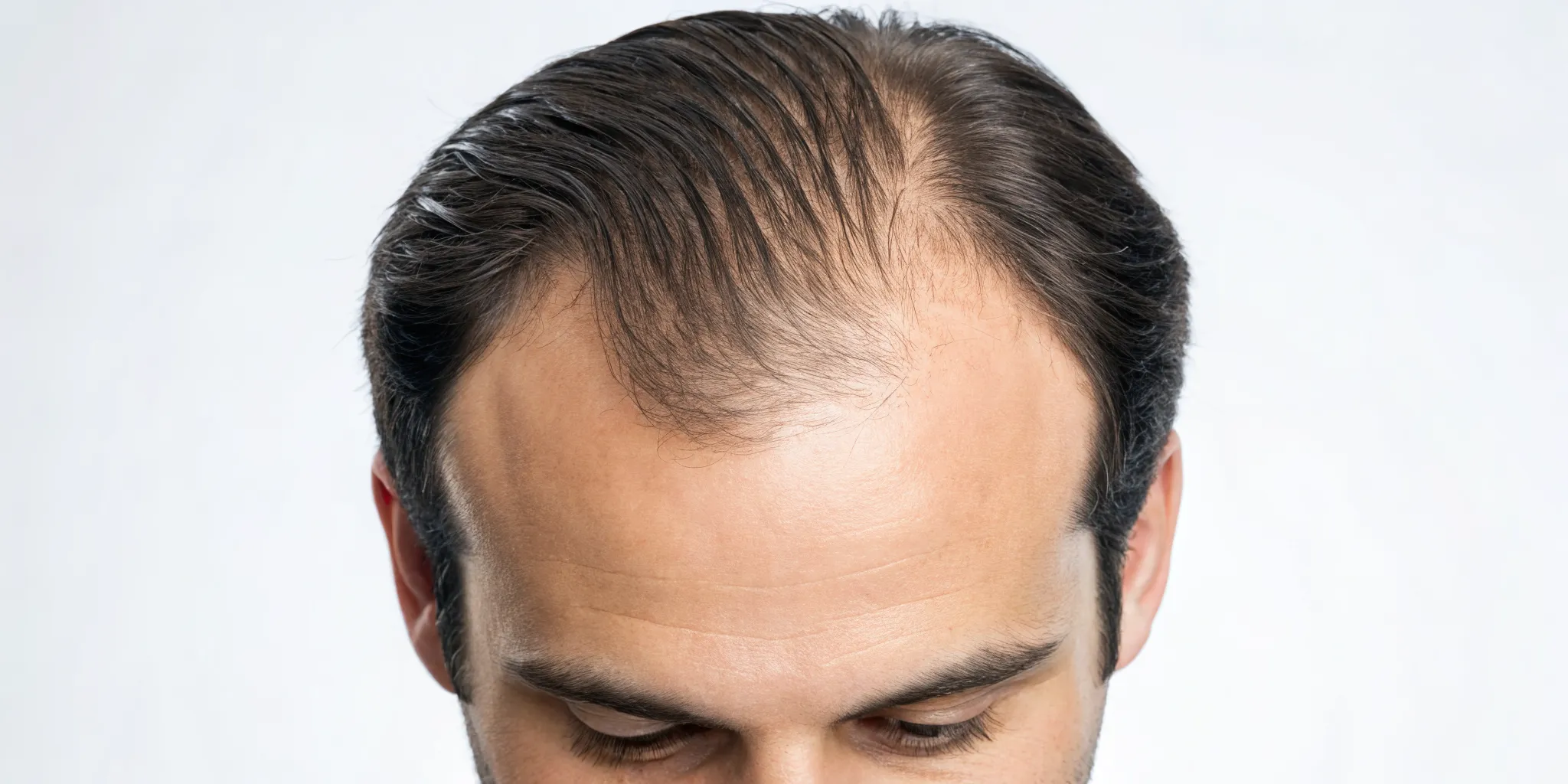
Before-and-after photos are powerful, but they don’t tell the whole story. They don’t capture the feeling of the consultation, the professionalism of the staff, or the support you receive during recovery. That’s the kind of insight you can only get from genuine patient experiences. Reading through hair restoration reviews gives you a window into the human side of the process. These aren’t just ratings; they are personal accounts from people who have navigated the same questions and concerns you have right now. They provide an honest look at what the journey is really like, helping you feel more connected and confident in your decision.
Key Takeaways
- Vet your clinic carefully to ensure quality care: Your safety and results depend on the provider’s expertise. Look for board-certified physicians, read detailed patient reviews that describe the entire experience, and treat your consultation as an interview to find a team you trust.
- Match the treatment to your long-term goals: Surgical transplants offer a permanent solution for specific areas, while non-surgical options require consistent upkeep to maintain overall hair health. Understanding this key difference helps you choose a path that fits your lifestyle and expectations.
- Your participation is key to a great outcome: The best results come from a partnership with your provider. Following all pre- and post-treatment instructions carefully is the most important thing you can do to support a smooth recovery and protect your investment.
What Are My Hair Restoration Options?
When you start looking into restoring your hair, you’ll see there are several paths forward. The right approach depends on your specific type of hair loss, your goals, and your lifestyle. The great news is that treatments offer a range of effective solutions. From surgical procedures that provide permanent results to non-invasive therapies that support natural growth, there’s a lot to consider. Many people even find success by combining methods for a personalized plan. Let’s walk through the main categories so you can get a clearer picture of what’s available.
Surgical Options
Surgical options, like hair transplants, are a well-established method for permanent results. The procedure involves moving hair follicles from a dense area of your scalp (usually the back or sides) to the areas where hair is thinning or gone. The two most common techniques are Follicular Unit Transplantation (FUT) and Follicular Unit Extraction (FUE). While the harvesting method differs, both aim for the same goal: natural-looking, lasting results. Patient satisfaction with surgical hair restoration is typically very high because it offers a definitive solution to hair loss, making it a great choice for a significant change.
Non-Surgical Treatments
If surgery doesn’t feel like the right fit, you’re in luck. Non-surgical hair restoration has made huge strides, offering effective options without the downtime. These treatments work by stimulating dormant follicles, improving scalp health, and slowing down hair loss. Popular choices include Platelet-Rich Plasma (PRP) therapy, which uses your body’s own growth factors to encourage hair growth, and Low-Level Laser Therapy (LLLT). These methods are excellent for people in the earlier stages of hair loss or for those who want to avoid an invasive procedure while still getting meaningful anti-aging results.
Combination Therapies
You don’t always have to choose just one route. In fact, many of the best outcomes come from combination therapies that pair different treatments together. Think of it as creating a complete support system for your hair. For example, you might have a hair transplant to restore a receding hairline and then use PRP sessions to maintain density and support existing hair. This comprehensive approach allows your provider to create a plan that addresses your hair loss from multiple angles. By combining surgical precision with non-surgical support, you can achieve a more robust and lasting result.
How Effective Is Hair Restoration?
When you’re considering any kind of treatment, the big question is always: does it actually work? The good news is that modern hair restoration has come a long way, offering real, lasting results for many people. Whether you’re looking at surgical or non-surgical options, the goal is to help you feel more confident in your appearance. The effectiveness of your treatment will depend on the method you choose, your specific type of hair loss, and your overall health. Let’s look at what you can realistically expect in terms of success rates, timelines, and the factors that play a role in your final outcome.
Success Rates and What to Expect
You’ll be happy to know that hair restoration treatments have incredibly high success rates. Hair transplants, for example, are very successful, with studies showing that about 97% of them work. It’s no surprise that most patients, around 90-95%, report being happy with their results. This high level of satisfaction comes from achieving a natural look that helps people feel more like themselves again. While non-surgical treatments have varying success rates depending on the person, they can also be highly effective, especially when started early.
Your Results Timeline
Patience is your best friend when it comes to seeing your final results. Hair growth is a gradual process, so you won’t see a full head of hair overnight. For most non-surgical treatments, you can typically expect to see initial improvements within three to six months, with the best results appearing over time. If you opt for a surgical procedure, the timeline is a bit longer. You’ll see natural-looking results develop over 8 to 12 months as the transplanted follicles settle in and begin to grow. The procedure itself usually takes just four to six hours, and you’ll be kept comfortable the entire time.
Factors That Affect Your Outcome
Your results depend on a few key things. The most common reason people seek hair restoration is genetic hair loss, and your individual pattern of loss will influence the treatment plan. While many people achieve their desired look with just one procedure, some may need another session down the road to address further thinning. Your age also matters. It’s often recommended to wait until you’re at least 23 to get a hair transplant, as this can lead to better long-term results. Discussing these factors with a specialist will help set clear expectations and create a plan that’s right for you.
What Are Patients Saying About Hair Restoration?
Hearing from people who have already gone through a procedure is one of the most helpful parts of making a decision. It gives you a real-world look at what to expect beyond the clinical descriptions. When it comes to hair restoration, patient experiences can tell you a lot about the process, the results, and the overall journey. From the initial consultation to the final outcome, reviews and testimonials offer a window into what life is like on the other side of treatment. They help you set realistic expectations and feel more confident as you move forward. By listening to these stories, you can gather insights that help you choose the right clinic and prepare for your own transformation.
What Patients Love
Across the board, many people are thrilled with their hair restoration results. They often describe the process as being much smoother and more comfortable than they had imagined. Patients frequently report that any pain during or after the procedure is minimal and easily managed. The most significant feedback, however, centers on the emotional impact. Seeing real “before and after” photos and hearing personal stories highlights the profound change in self-confidence that comes with a fuller head of hair. This isn’t just about aesthetics; it’s about feeling like yourself again. The positive experiences shared by others can be a powerful motivator and a source of reassurance.
Common Concerns and Questions
While success stories are encouraging, it’s just as important to understand the practical realities of hair restoration. A common question is whether non-surgical treatments, like Rogaine, require lifelong use. The answer is often yes, because genetic hair loss is a progressive condition that needs continuous management to maintain results. Another point to consider is that there is no such thing as a completely scarless surgery. Even with the most advanced, minimally invasive techniques, some minor scarring is inevitable. Understanding these limitations from the start helps you form realistic expectations and have a more productive conversation with your provider about what your final results will look like.
Why Reviews Are a Key Resource
Patient reviews are more than just star ratings; they are a vital tool for your research. They provide firsthand accounts of a clinic’s professionalism, the quality of care, and the patient experience from start to finish. Reading about someone else’s journey helps bridge the gap between the technical details of a procedure and the personal, human side of the experience. Patient testimonials allow you to see the treatment through the eyes of someone who has been in your shoes. This perspective can help you feel more connected to the process and more secure in your decision, ensuring you choose a clinic that aligns with your goals and expectations.
How to Read Hair Restoration Reviews
Patient reviews can be one of your most powerful tools when choosing a clinic, but they can also be a minefield of misinformation. Reading them the right way is a skill. It’s not just about finding five-star ratings; it’s about learning to see the story behind the review. A good review gives you a peek into the entire patient experience, from the first phone call to the final follow-up appointment.
When you know what to look for, you can filter out the noise and find genuine feedback that helps you make an informed decision. The goal is to gather insights that tell you about a clinic’s quality of care, the professionalism of its staff, and the realism of its results. Think of yourself as a detective, piecing together clues from different sources to get a clear picture of what you can truly expect. This approach will help you move past the hype and find a provider who aligns with your personal health and aesthetic goals.
What to Look For in a Review
When you start reading reviews, look for details. Vague praise like “they were great” doesn’t tell you much. Instead, search for testimonials that describe the entire process. Does the reviewer mention the consultation, the staff’s attitude, the cleanliness of the clinic, and the quality of the aftercare? These specifics paint a much clearer picture of the patient experience.
The most helpful reviews often mention the specific hair restoration treatment they received and talk about their results over several months, not just a few days. They might describe how the team managed their expectations and supported them through recovery. These personal stories are invaluable because they show a clinic’s commitment to personalized care and reflect the real, long-term outcomes you can expect.
How to Spot Fake Reviews
Learning to spot a fake review is key to protecting yourself. Be wary of reviews that are overly enthusiastic or sound like they were pulled from a marketing brochure. If a review is filled with generic, glowing adjectives but lacks any personal details about the treatment or the staff, it might not be genuine. Similarly, a review that uses highly technical jargon that the average person wouldn’t know could be a red flag.
On the flip side, be cautious of extremely negative reviews that seem to have an agenda or lack any constructive details. The most trustworthy reviews tend to be balanced, often mentioning both the pros and a minor con. Look for patterns across multiple platforms. If a clinic has a consistent stream of detailed, thoughtful reviews over time, it’s a good sign they are actively encouraging and listening to real patient feedback.
Understanding Biased Reviews
Even a genuine review can be biased. Some people write reviews in the initial excitement after a procedure, long before the final results are visible. While their happiness is real, their review might not reflect the full outcome. Others might focus heavily on one aspect, like the price, without giving a balanced view of the quality of care they received.
To get an accurate picture, read a wide range of reviews and look for common themes. Don’t let one amazing or terrible review sway your entire opinion. Pay attention to how the clinic responds to reviews, especially negative ones. A professional and caring response shows they value patient feedback. Remember that results take time, and a good review often acknowledges the journey, not just the destination.
How to Choose the Right Hair Restoration Clinic
Finding the right clinic is just as important as choosing the right treatment. This is a partnership, and you deserve a team that listens to your goals, respects your concerns, and has the expertise to deliver results you’ll love. The right provider won’t just perform a procedure; they will guide you through every step with personalized care. Your comfort and confidence in your chosen clinic are essential, as this relationship will shape your entire experience, from the initial consultation to your final follow-up.
A great clinic focuses on restorative healthcare, meaning they look at the whole picture of your well-being, not just the hair on your head. They should be transparent, experienced, and dedicated to creating a plan that is tailored specifically to you. Taking the time to research and select the best possible team is the first and most critical step toward achieving the natural-looking, lasting results you’re looking for.
Check for Credentials and Qualifications
Before you even book a consultation, do a little homework on the clinic’s credentials. People consistently say that what they care about most are high-quality, trustworthy services, and that starts with the qualifications of the medical team. Look for a clinic led by board-certified physicians with specific training and experience in hair restoration.
Check the clinic’s website for information about their doctors and technicians. A reputable practice will be proud to showcase its team’s expertise. Don’t be shy about looking for before-and-after galleries, patient testimonials, and professional affiliations. This initial research helps ensure you’re placing your trust in the hands of skilled, credible professionals who are committed to safety and excellence.
Questions to Ask in Your Consultation
Think of your consultation as a two-way interview. While the specialist is assessing your hair loss, you should be assessing their suitability as your provider. This is your opportunity to get clear, direct answers and make sure you feel comfortable. A good consultation should leave you feeling informed and confident, not pressured or confused.
Come prepared with a list of questions. You might ask:
- What is the best hair restoration technique for my specific type of hair loss, and why?
- Who will be performing the procedure, and what is their experience?
- Can I see photos of past patients who had a similar hair loss pattern to mine?
- What are the potential risks, and what does the recovery process involve?
Red Flags to Watch For
Just as you look for green flags, you need to be aware of the red ones. Be cautious of clinics that use high-pressure sales tactics or offer deals that seem too good to be true. Your health is not a clearance item. A major red flag is a clinic that pushes for surgery without first discussing non-surgical options or underlying health factors. A thorough provider will always explore the least invasive treatments first.
Be wary of vague answers or a team that seems unwilling to let you speak directly with the doctor. You should feel that your long-term satisfaction is the top priority. Steer clear of any place that makes you feel rushed or unheard. A trustworthy clinic will always prioritize your safety and realistic outcomes over making a quick sale.
What to Expect During Your Treatment
Deciding on hair restoration is a big step, and it’s natural to wonder what the process involves. Knowing what to expect can help you feel more confident and prepared. From your first consultation to your final results, the experience is designed to be as smooth as possible. Your clinic will be your partner every step of the way, providing clear instructions and support. Here’s a breakdown of what you can anticipate during the preparation, recovery, and aftercare phases.
Preparing for Your Procedure
Your preparation starts with a thorough consultation. This is your chance to ask every question you have and get a clear picture of what results are possible. Come prepared with a list of questions about the procedure, recovery, and what your day-to-day will look like afterward. Your provider will give you specific instructions to follow before your appointment, which might include avoiding certain medications. Following these guidelines helps set the stage for a successful outcome. Think of this meeting as the first step in your personalized hair restoration plan, designed to meet your goals and ensure you feel comfortable with the process.
Recovery and Aftercare
Patience is key when it comes to seeing your final results. While everyone’s timeline is different, you can generally expect initial improvements within three to six months for most non-surgical treatments. The full, final results often take about nine to 14 months to appear as your hair goes through its natural growth cycles. Your role in recovery is just as important as the treatment itself. Your clinic will provide detailed aftercare instructions, which may include tips on how to wash your hair and when to resume normal activities. Following this guidance is essential for protecting your investment and achieving the best possible outcome from your treatment.
Managing Discomfort Post-Treatment
Many people are pleasantly surprised to learn that discomfort during and after hair restoration is typically minimal. Most patients report feeling comfortable throughout the procedure and find that any post-treatment soreness is mild and manageable. You might experience some temporary tenderness or slight swelling in the treated area, but these sensations usually fade within a few days. Your clinic will give you clear instructions on how to manage any discomfort, which may include using over-the-counter pain relievers. The goal is to make your recovery as easy as possible, so don’t hesitate to reach out to your care team with any concerns.
Comparing Hair Restoration Methods
Deciding on a hair restoration path can feel overwhelming, but it really comes down to understanding your specific type of hair loss, your goals, and what fits your lifestyle. There isn’t a single “best” option for everyone. Instead, think of it as choosing the right tool for the job. Surgical procedures like hair transplants offer a permanent solution by physically moving hair follicles to thinning areas. On the other hand, non-surgical treatments work to stimulate growth, slow down hair loss, and improve the health of your existing hair.
Both approaches have seen incredible advancements, and many people find success with either one or even a combination of both. The key is to weigh the differences in results, what’s required for long-term upkeep, and the overall costs. A thorough consultation with a specialist can help you map out a personalized plan. They can assess your hair loss and help you understand which hair restoration methods are most likely to give you the results you’re looking for. This personalized approach ensures you’re not just picking a treatment, but investing in a solution that’s right for you.
Surgical vs. Non-Surgical Results
When you compare results, the biggest difference is permanence. A surgical hair transplant is designed to be a one-and-done fix for a specific area. Follicles are moved from a dense part of your scalp to a thinning spot, and they’ll continue to grow there for life. It’s a powerful solution for restoring a hairline or filling in a bald spot.
Non-surgical treatments, like PRP therapy or specialized medications, work differently. They focus on revitalizing dormant follicles and preventing further loss. While these methods don’t create new follicles, they can significantly improve hair density and thickness, leading to a fuller look. The results are impressive but depend on continued treatment to be maintained. Many people find these options highly effective without the recovery time associated with surgery.
Long-Term Maintenance Needs
Thinking about the long haul is crucial. While a hair transplant is permanent, it doesn’t stop the natural progression of genetic hair loss in other areas of your scalp. This means you might still need non-surgical treatments to maintain the hair around the transplanted area and prevent future thinning. It’s a team effort between the permanent fix and ongoing care.
For non-surgical options, consistency is everything. These treatments work by actively stimulating your hair follicles, so you need to stick with the plan to keep seeing results. If you stop the treatments, your hair loss will likely resume its natural course. Think of it like a fitness routine for your hair; you have to keep it up to maintain the benefits and protect your investment.
A Look at the Costs
Let’s talk about the financial side. A hair transplant is a significant upfront investment. In the United States, the procedure can cost over $13,000 on average, depending on the extent of the work needed. While the price tag is high, many patients see it as a worthwhile, permanent investment in their confidence.
Non-surgical treatments have a much lower entry cost. Each session or prescription is more affordable, but these are recurring expenses. Over several years, the total cost can add up. It’s a choice between a large one-time payment for a permanent surgical solution or smaller, ongoing payments for a maintenance-based approach. Understanding your budget and how you prefer to manage costs will help guide you to the right decision for your financial comfort.
What Are the Risks and Side Effects?
Making the decision to pursue hair restoration is a big step, and it’s smart to go in with a clear picture of the entire process, including potential side effects. Like any medical treatment, hair restoration comes with some risks. Understanding them ahead of time helps you prepare and ensures you have an open, honest conversation with your provider. The good news is that most side effects are minor and temporary, but being informed is the best way to feel confident and in control of your health journey.
Common Side Effects
After your procedure, your body needs time to heal. During this initial phase, it’s common to experience some temporary effects at the treatment site. You might notice some swelling, tenderness, itching, or numbness for a few days. Some people also experience what’s known as “shock loss,” which is the temporary shedding of some existing hair around the treated areas. It can be alarming, but it’s usually a normal part of the process as the follicles reset. For most hair restoration treatments, you can expect to see initial results within three to six months, so patience during the healing stage is key.
Serious Complications to Know
While serious complications are rare, they are possible, especially with surgical options. It’s important to know that there’s no such thing as a completely scarless surgery. A skilled surgeon will work to make any scarring as minimal and discreet as possible, but it’s a factor to consider. Other potential risks include infection, excessive bleeding, poor wound healing, or nerve damage. Choosing an experienced, board-certified provider dramatically reduces these risks, as they follow strict protocols for safety and hygiene. Discussing these possibilities during your consultation will help you understand what to watch for and how your clinic handles any complications that may arise with different surgical and non-surgical treatments.
How to Minimize Your Risk
The single most important thing you can do to minimize your risk is to choose a reputable clinic with qualified medical professionals. A great clinic will be transparent about everything, from the procedure itself to the potential side effects. They should also actively gather patient feedback through reviews and follow-ups, as this shows they are committed to safety and satisfaction. Beyond that, your role is crucial. Be completely honest about your medical history and lifestyle during your consultation. Following your pre- and post-treatment care instructions precisely is also essential for a smooth recovery and the best possible results. Don’t hesitate to call your clinic if you have any concerns during your recovery.
How to Pay for Hair Restoration
Let’s talk about the financial side of things. The cost of hair restoration is a valid concern, but it shouldn’t be a barrier to feeling your best. Many clinics recognize this and have created flexible payment structures to make the process more manageable. Understanding your options ahead of time can help you plan accordingly and move forward with confidence. It’s all about finding a path that fits your budget while getting you the results you want.
Payment Plans and Financing
You don’t always have to pay for your entire treatment in one lump sum. Many clinics offer in-house financing to break down the cost into predictable monthly payments. A common approach is paying a portion of the total cost upfront and then covering the rest through interest-free installments over a set period, like a year. Beyond that, you can also look into healthcare credit cards, which are designed specifically for medical procedures and often come with promotional financing. These options make high-quality hair restoration much more accessible, allowing you to focus on your results instead of stressing about the initial expense.
Does Insurance Cover Treatment?
This is one of the most common questions, and the straightforward answer is that insurance typically does not cover hair restoration. Because it’s classified as a cosmetic procedure, most insurance providers exclude it from their plans. However, it never hurts to double-check. Policies vary, so the best first step is to call your insurance company directly and ask about your specific coverage. While it’s unlikely to be covered, confirming for yourself gives you a clear picture of your out-of-pocket costs from the start. This simple call can provide peace of mind and help you plan your budget accurately.
Ways to Save on Costs
Beyond standard financing, there are other ways to make your treatment more affordable. Don’t hesitate to ask your clinic if they have any special offers, seasonal promotions, or package deals available. Sometimes, clinics provide discounts for paying in full or for bundling treatments. Planning ahead can also help. By discussing the costs during your consultation, you can explore all available payment avenues. The goal is to find a solution that works for you. A good clinic will be transparent about pricing and happy to walk you through the options that can help you manage the investment in yourself.
Related Articles
- Treatment for Hair Restoration: Options, Results & Guide
- Your Guide to Hair Restoration Therapy Options – VidaVital MD
- Hair Restoration Specialist: How to Choose the Best Expert | VidaVital Medical
- Hair Restoration Specialist: Your Complete Guide to Choosing the Best – VidaVital MD
- Hair Restoration in Boca Raton: The Ultimate 2025 Treatment Breakdown – VidaVital MD
Frequently Asked Questions
How do I know if I’m a good candidate for hair restoration? The best way to know for sure is to have a consultation with a specialist. Generally, good candidates are in good overall health, have realistic expectations, and have enough healthy hair in a “donor area” (usually the back or sides of the head) to use for a transplant. Your age and the specific pattern of your hair loss also play a role. A thorough evaluation will help determine the underlying cause of your hair loss and map out the most effective treatment plan for you.
Will my hair restoration results look natural? Absolutely. Modern techniques are incredibly advanced, and the primary goal of any skilled provider is to create results that are indistinguishable from your natural hair. A specialist will carefully consider your hairline design, the angle of the transplanted hair, and the overall density to ensure everything blends seamlessly. This is why choosing an experienced clinic is so important; their artistry is what makes the final result look completely natural.
Is the procedure painful? This is a very common concern, and you’ll likely be relieved to hear that most patients report very little discomfort. During a surgical procedure, the area is completely numbed with a local anesthetic, so you shouldn’t feel any pain. Afterward, you might experience some mild soreness, tenderness, or swelling, but this is typically managed easily with over-the-counter pain medication and resolves within a few days.
How soon can I return to my normal routine after a procedure? Recovery time varies depending on the type of treatment you receive. For non-surgical options like PRP, there is virtually no downtime, and you can get back to your day immediately. After a surgical transplant, most people feel well enough to return to work and light activities within a few days. Your provider will ask you to avoid strenuous exercise and heavy lifting for a week or two to ensure the new follicles are protected while they heal.
What happens if my hair loss continues after my treatment? This is a great question because it addresses the progressive nature of genetic hair loss. A hair transplant permanently moves healthy, loss-resistant follicles, but it doesn’t stop potential future thinning in other areas. That’s why a long-term strategy is so important. Many people use non-surgical treatments in combination with their transplant to maintain their existing hair and prevent further loss, ensuring their results look great for years to come.