
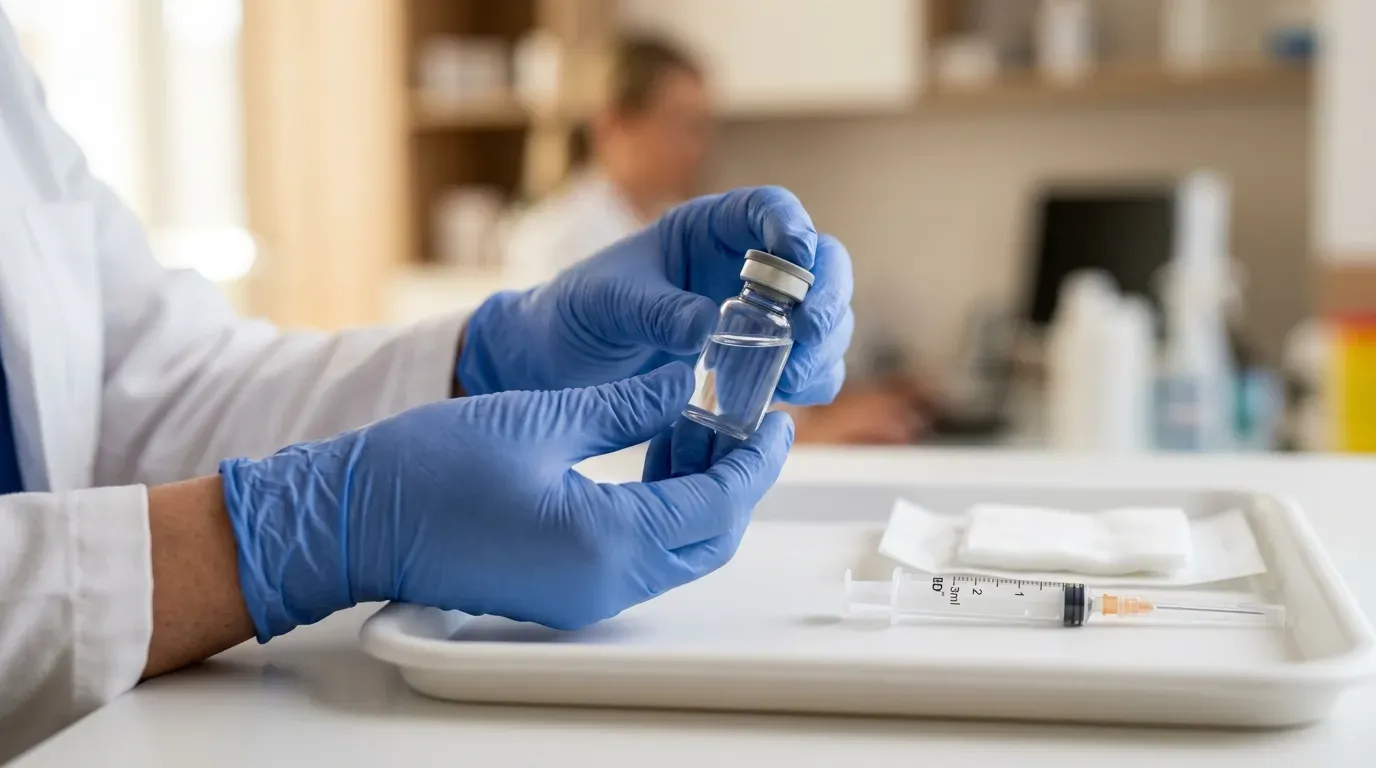
What Is BPC-157 Peptide Therapy?
If you are researching BPC-157 peptide therapy, you are probably not looking for another vague anti-aging trend. You want to know whether this peptide may help with stubborn inflammation, gut irritation, joint discomfort, tendon recovery, or tissue repair, and you want a clear answer about safety. BPC-157 is an investigational peptide with promising preclinical research, especially around healing and inflammation, but it is not a shortcut and it should not be treated like a do-it-yourself supplement.
Considering peptide therapy? Learn what medically supervised peptide therapy may cost and what factors shape a personalized plan.
At VidaVital Medical, peptide therapy is approached as part of a broader wellness strategy. That means clinical intake, lab review when appropriate, medication and supplement review, risk screening, follow-up, and personalization. For many patients, monthly peptide therapy programs fall in the $150 to $400 per month range, depending on the protocol, sourcing, monitoring, and goals.
BPC-157 Peptide Therapy in Plain English
BPC-157 stands for body protection compound 157. It is a synthetic version of a peptide sequence associated with protective proteins found in gastric juice. Peptides are short chains of amino acids that act like signaling molecules in the body. Some influence appetite, some affect growth hormone signaling, and others appear to interact with tissue repair, inflammation, immune balance, or cellular communication.
BPC-157 is most often discussed for its potential role in:
- Gut lining support and mucosal protection
- Inflammation modulation
- Tendon, ligament, and soft tissue recovery
- Joint comfort after overuse or injury
- Muscle and connective tissue repair signaling
- Recovery support after physical stress
The key word is potential. Much of the excitement around BPC-157 comes from animal and laboratory research. Early findings are interesting, but human clinical evidence is still limited. That is why responsible medical supervision matters. A good peptide program does not promise miracle healing. It weighs possible benefit against regulation, quality, contraindications, and your overall health picture.

How BPC-157 May Work in the Body
BPC-157 is being studied because it appears to influence several repair-related pathways at once. In preclinical research, it has been associated with angiogenesis, which is the formation of new blood vessels; growth factor signaling; nitric oxide pathways; collagen organization; and reduced inflammatory cytokine activity. These mechanisms may help explain why the peptide is often discussed for gut, joint, and soft tissue recovery.
Think of it less like a painkiller and more like a signal. A painkiller may temporarily mute symptoms. A peptide, in theory, may influence how cells communicate during the repair process. That distinction matters. If inflammation is being driven by a torn tendon, poor sleep, excess training volume, hormone imbalance, metabolic dysfunction, or an autoimmune condition, BPC-157 alone is not the full answer.
That is also why VidaVital does not look at peptide therapy in isolation. The same patient asking about BPC-157 may also need nutrition support, hormone evaluation, sleep improvement, physical therapy, weight management, or a different peptide option. The most effective plan is rarely the most aggressive one. It is the one that fits the diagnosis, the risk profile, and the patient’s goals.
Why People Ask About BPC-157 for Gut Health
BPC-157 is frequently associated with gut health because of its origin story and preclinical research on mucosal protection. Researchers have explored it in models involving gastric irritation, ulcers, inflammatory bowel conditions, and injury to the intestinal lining. The theory is that BPC-157 may help support tissue integrity, local blood flow, and inflammatory balance in the gastrointestinal tract.
For patients, the real-world question is usually more personal: “Can this help my bloating, reflux, gut sensitivity, or irritation after years of stress, medications, or poor recovery?” The honest answer is that gut symptoms deserve a careful evaluation before any peptide is considered. Acid reflux, food intolerance, inflammatory bowel disease, medication side effects, infection, hormone shifts, and stress physiology can all create overlapping symptoms.
If gut health is the main concern, a supervised plan may include a review of diet, alcohol intake, NSAID use, bowel patterns, sleep, stress, labs, and current medications. Peptides may be one part of the conversation, but they should not replace proper diagnosis or standard medical care.
For a broader overview of this topic, see VidaVital’s guide to peptide therapy for gut health.
Can BPC-157 Support Joint Recovery and Tissue Repair?
Joint pain and slow recovery are two of the most common reasons adults over 40 become interested in peptide therapy. The story is familiar: a shoulder that will not calm down, a knee that flares after tennis, an old tendon injury that keeps returning, or soreness that lasts longer than it used to. BPC-157 gets attention because preclinical studies suggest possible effects on tendon, ligament, muscle, and connective tissue repair pathways.
That does not mean every painful joint needs BPC-157. Pain can come from arthritis, tendon degeneration, poor movement mechanics, excess training load, inflammation, hormone changes, or an injury that needs imaging and a formal rehabilitation plan. A medically supervised program looks for those drivers first.
When a peptide strategy is appropriate, the goal is usually to support the body’s recovery environment, not to mask a serious injury. A thoughtful plan may include:
- Identifying the tissue involved and the likely cause of pain
- Reducing activities that keep re-irritating the area
- Building a realistic recovery timeline
- Coordinating with physical therapy or strength training
- Reviewing hormones, sleep, nutrition, and inflammation markers
- Monitoring response instead of guessing indefinitely
Patients interested in this angle may also find VidaVital’s articles on peptide therapy for injury recovery and peptide therapy for inflammation helpful.
What Does a BPC-157 Dosage Protocol Look Like?
There is no single standardized BPC-157 dosage protocol that applies to everyone. Because BPC-157 is not FDA-approved and human clinical data is limited, any discussion of dosing should happen with a qualified clinician who understands peptide regulations, sourcing, contraindications, and monitoring.
In wellness settings, BPC-157 protocols are often described in terms of short treatment cycles rather than indefinite use. A clinician may consider factors such as body size, symptom pattern, injury history, medical conditions, medications, route of administration, and treatment goals. Some protocols focus on gut-related concerns, while others focus on localized recovery or systemic inflammation support.
The more important point is not the number on a vial. It is the clinical process behind the recommendation. A responsible dosage conversation should answer:
- Why is this peptide being considered instead of another option?
- What outcome are we measuring?
- How long is the trial period?
- What side effects should be reported?
- Where is the medication sourced from?
- What happens if there is no meaningful improvement?
- Is this peptide currently compliant and appropriate under applicable regulations?
If you want a plan built around your health history, not internet dosing charts, explore VidaVital’s anti-aging and wellness programs.
Safety Considerations: What Patients Should Know
BPC-157 is widely discussed online, but online popularity is not the same as medical certainty. The biggest safety issue is not only the molecule itself. It is the combination of limited human data, inconsistent product quality, unregulated sources, unclear dosing, and changing FDA guidance around compounded peptides.
In 2023 and 2024, peptide regulation became a major issue for clinics, pharmacies, and patients. Some peptides have been restricted from certain compounding pathways, and availability can change. BPC-157 has been specifically scrutinized because it is not FDA-approved and because quality control varies widely outside licensed medical channels.
Possible safety concerns include:
- Unknown long-term effects in humans
- Product contamination or inaccurate concentration from unregulated sources
- Interactions with medications or underlying conditions
- Use in patients who need diagnosis rather than symptom management
- Delayed care for injuries, gastrointestinal disease, or inflammatory conditions
- Regulatory changes that affect access and appropriate sourcing
This is why VidaVital emphasizes medically supervised peptide therapy. The safest question is not “Where can I buy BPC-157?” It is “What is the right evidence-informed, compliant, and personalized option for my goal?” Sometimes the answer may involve a peptide. Sometimes it may involve a different medical strategy entirely.
For a deeper patient-friendly discussion, read Are Peptides Safe? What the Science Actually Says.
BPC-157 vs. Other Peptide Therapy Options
BPC-157 is only one peptide in a much larger category. Other peptide and regenerative wellness options may be better aligned with a patient’s goals, depending on the clinical picture and current availability. For example, some patients ask about peptides for recovery, while others are focused on metabolic health, body composition, sleep, libido, or healthy aging.
A peptide consultation may compare options based on:
| Goal | What a clinician may evaluate | Why personalization matters |
|---|---|---|
| Gut health | Digestive symptoms, medication use, food triggers, inflammation history | Gut symptoms can come from many causes that need different treatment |
| Joint recovery | Injury history, imaging needs, training load, pain pattern | A peptide cannot replace proper rehab or diagnosis |
| Inflammation | Labs, sleep, stress, weight, hormones, autoimmune history | Inflammation is a signal, not a single diagnosis |
| Healthy aging | Hormones, body composition, energy, recovery, metabolic markers | The best plan may combine several lifestyle and medical levers |
Patients who want the bigger picture can review VidaVital’s guide to the top peptide therapy benefits.
What to Expect From VidaVital’s Peptide Therapy Program
VidaVital Medical’s peptide therapy program is designed for adults who want more than a generic wellness recommendation. The process begins with understanding what you want to improve and why it may be happening. That may include fatigue, slower recovery, joint discomfort, digestive concerns, inflammation, body composition changes, or age-related decline.
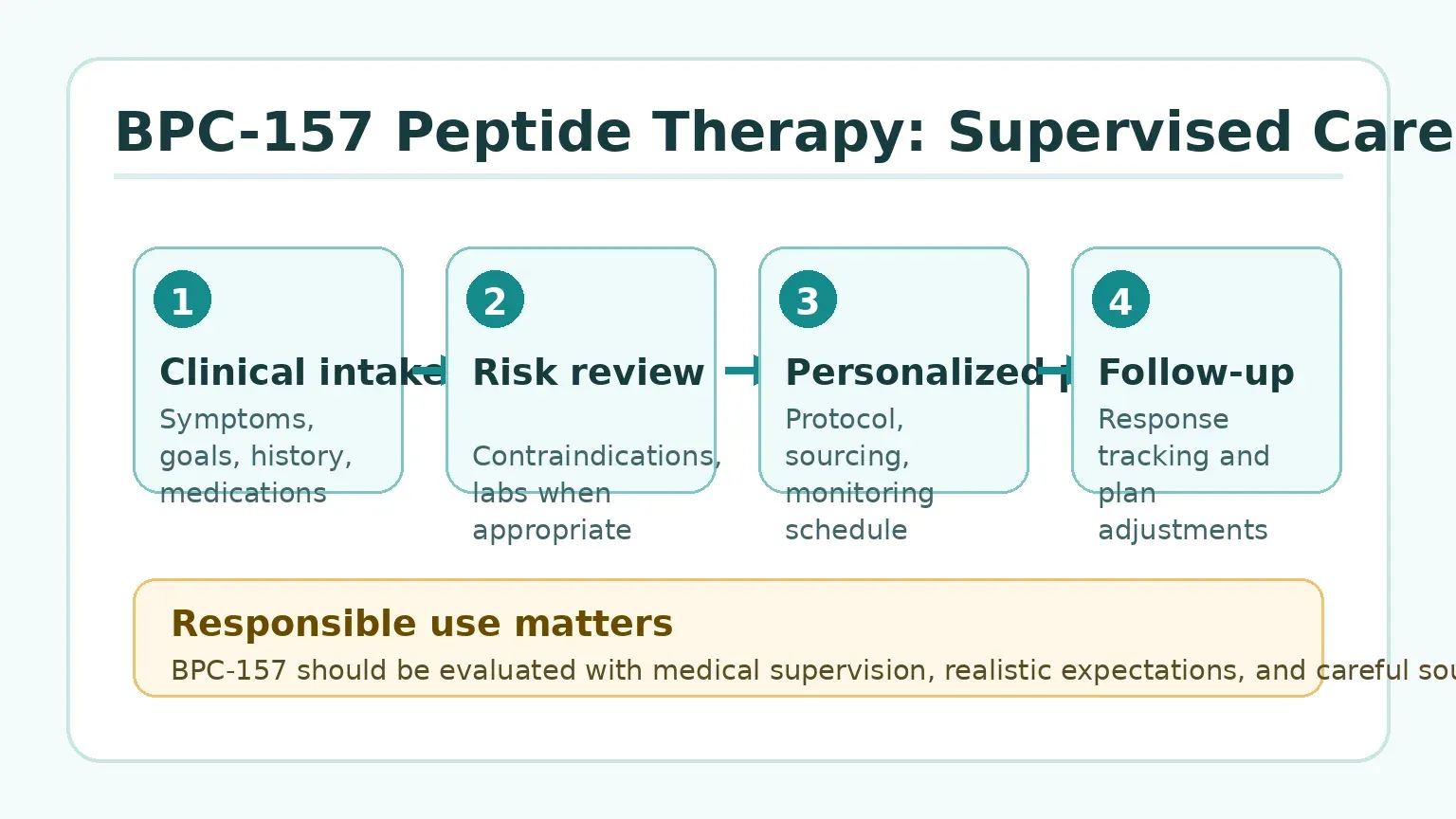
A typical peptide therapy pathway may include:
- Consultation: Your provider reviews symptoms, medical history, medications, goals, and risk factors.
- Clinical evaluation: Labs or additional assessment may be recommended when hormones, inflammation, metabolic health, or nutrient status could be involved.
- Personalized protocol: If peptide therapy is appropriate, your plan is selected around your goals, safety profile, and current regulatory considerations.
- Education: You learn what to expect, how the protocol is used, what side effects to watch for, and when to follow up.
- Monitoring: Your response is tracked so the plan can be continued, adjusted, or stopped based on real results.
Programs commonly range from $150 to $400 per month, though the exact cost depends on the peptide or wellness protocol, monitoring needs, length of therapy, and whether additional services are included. That price range is one reason patients should avoid guessing with online products. A lower upfront price can become expensive quickly if the product is poor quality, inappropriate, or unsafe.
Who May Be a Good Candidate?
BPC-157 peptide therapy, or a related peptide strategy, may be worth discussing if you are an adult dealing with persistent recovery issues and you want a medically guided approach. Common candidates include active adults with recurring soft tissue irritation, patients over 40 noticing slower recovery, people with chronic inflammation concerns, and individuals interested in gut or connective tissue support as part of a broader wellness plan.
You may not be a good candidate if you are pregnant or breastfeeding, have an untreated serious medical condition, have active cancer unless cleared by your oncology team, are using unverified peptide products, or have symptoms that need urgent evaluation. Severe abdominal pain, unexplained weight loss, blood in stool, major joint swelling, traumatic injury, fever, chest pain, or neurological symptoms should be evaluated promptly through appropriate medical care.
Good peptide care starts with the humility to know when a peptide is not the right first step.
Questions to Ask Before Starting BPC-157
Before starting any peptide protocol, ask direct questions. A reputable provider should welcome them.
- Is BPC-157 appropriate and legally available for my situation right now?
- What evidence supports using this peptide for my specific goal?
- What are the main risks and unknowns?
- How will you determine whether it is working?
- What should I do if I notice side effects?
- How long will the protocol last?
- Are there safer or better-studied alternatives for my condition?
- How does this fit with my hormones, metabolism, sleep, training, and nutrition?
Ready to ask those questions with a clinician? Review peptide therapy pricing and consultation factors, then speak with VidaVital about a personalized plan.
FAQ: BPC-157 Peptide Therapy
Quick answer: BPC-157 peptide therapy is an investigational option that should be discussed with a qualified clinician, especially for adults exploring gut, joint, inflammation, or recovery support. These common questions summarize the safety, timing, cost, and supervision points patients should understand before treatment.
Is BPC-157 FDA-approved?
No. BPC-157 is not FDA-approved. It remains investigational, and regulatory guidance around compounded peptides can change. Patients should avoid unregulated online sources and discuss compliant options with a qualified medical provider.
How fast does BPC-157 work?
Response timelines vary. Some people discussing peptide therapy online report changes within weeks, but individual outcomes depend on the underlying issue, dosing strategy, source quality, lifestyle factors, and whether the diagnosis is accurate. A medical plan should define what improvement is being measured and when to reassess.
Is BPC-157 used for gut health?
BPC-157 is commonly discussed for gut health because preclinical research has explored mucosal protection and gastrointestinal repair pathways. Human evidence is still limited, so gut symptoms should be evaluated carefully before considering any peptide protocol.
Can BPC-157 help joint pain?
It may be discussed for joint, tendon, ligament, and soft tissue recovery because of preclinical research on repair signaling and inflammation. However, joint pain can have many causes. A peptide should not replace imaging, rehabilitation, or medical diagnosis when those are needed.
How much does peptide therapy cost?
At VidaVital Medical, peptide therapy programs often fall in the $150 to $400 per month range, depending on the protocol, sourcing, monitoring, and goals. A consultation is the best way to understand what is appropriate for your situation.
Should I buy BPC-157 online?
No. Buying peptides online without medical guidance raises quality, dosing, contamination, legal, and safety concerns. If you are interested in BPC-157 or another peptide, work with a qualified clinician who can evaluate whether it is appropriate and compliant.
The Bottom Line
BPC-157 peptide therapy is compelling because it sits at the intersection of gut health, inflammation, joint recovery, and tissue repair. The science is promising, but it is not settled. The safest path is not self-experimentation. It is medical supervision, careful sourcing, realistic expectations, and a plan that fits your full health picture.
VidaVital Medical helps patients explore peptide therapy through a personalized, evidence-informed lens. If BPC-157 is not the right option, your provider can discuss compliant alternatives and supportive strategies that better match your goals.
To explore whether peptide therapy belongs in your wellness plan, start with VidaVital’s peptide therapy benefits guide or schedule a consultation to discuss your goals.