

Low libido can signal more than a change in interest or age. For many women, hormones, metabolism, stress, medications, or menopause shape desire together over time.
Schedule a confidential women’s sexual health consultation with VidaVital Medical.
Low libido women treatment begins with finding what is affecting desire, rather than choosing a therapy before the cause is clear. Low desire may relate to hormones during perimenopause or menopause, metabolic concerns, chronic stress, medication effects, vaginal symptoms, relationship concerns, or several factors at once. Evaluation helps separate treatable contributors from ordinary changes in desire. It also guides a plan tied to symptoms, medical history, and laboratory findings. At VidaVital Medical, personalized options may include BHRT, lifestyle optimization, metabolic support, or other care selected after a complete clinical assessment.
The answer depends on which contributors are present and which options fit your health goals. Next comes a careful evaluation. A clinical review can narrow the possibilities and guide an appropriate plan.
Low libido women treatment starts with the right evaluation
Why desire deserves a clinical discussion
Low desire is not a character flaw or a measure of your care for a partner. It is a health concern when it feels new, unwanted, distressing, or disruptive. Many women keep it private because the topic can feel sensitive. A confidential visit creates space to discuss what changed and how it affects you.
Desire can change with hormone shifts, stress, metabolic health concerns, medication side effects, or several factors at once. That is why low libido women treatment should begin with listening, not assumptions. A quick supplement or one-size-fits-all hormone plan may miss the real reason desire has changed.
VidaVital’s approach to women’s sexual health begins with a patient-centered evaluation. You can discuss concerns without having to know the cause in advance. The goal is to understand the symptoms before discussing a care plan.

What the evaluation reviews
Your clinician will ask about desire, arousal, discomfort, menstrual changes, sleep, mood, fatigue, and weight changes. Be ready to share when the change began and whether it causes distress. If pain or dryness affects intimacy, that information also belongs in the conversation.
Your history can include pregnancy, menopause changes, past procedures, and health conditions. It can also include stress or relationship concerns that affect intimacy. These details help place symptoms in context without assigning blame.
A medication and supplement review matters because side effects can be part of the picture. Bring a full list, including doses and when each medicine changed. Do not stop a prescribed medicine on your own. A clinician can discuss safe next steps.
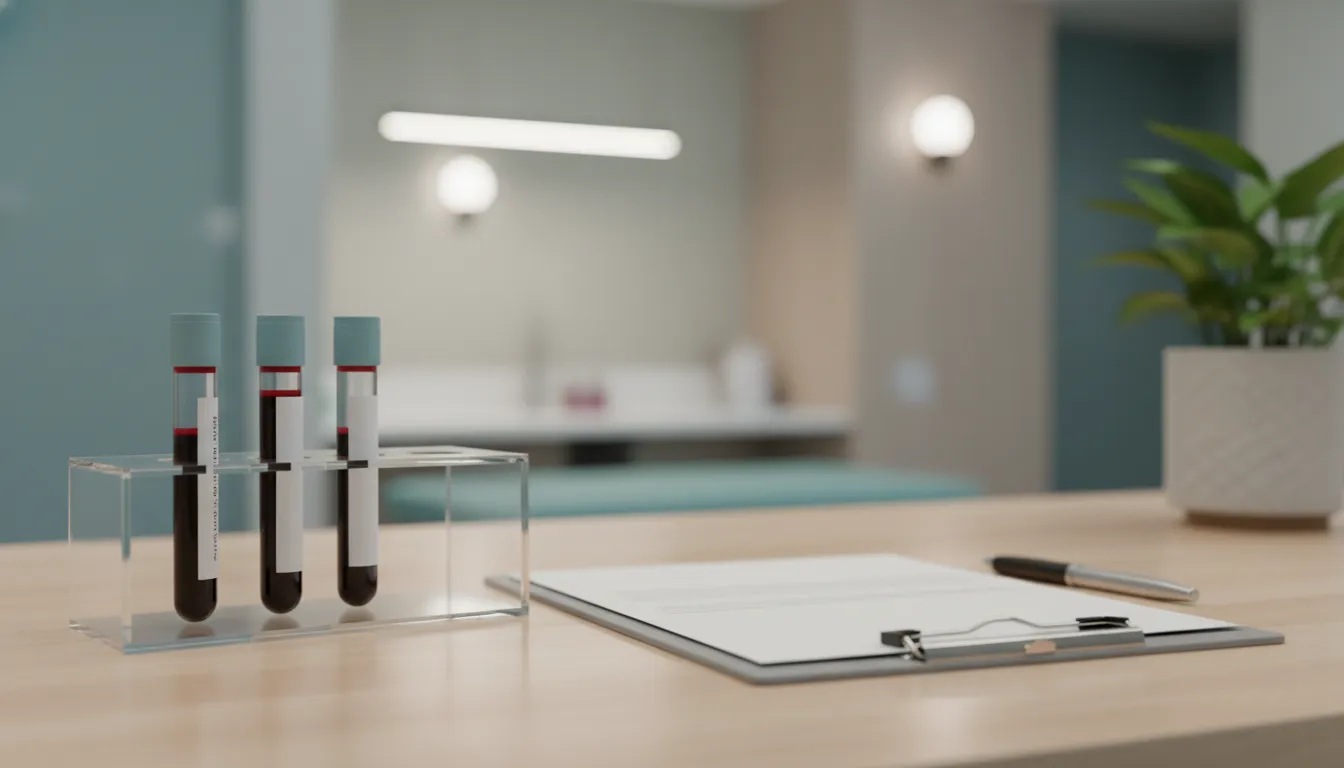
VidaVital’s evaluation includes blood panels and an in-depth clinical review to look for possible causes of symptoms. Lab testing is selected for your history and symptoms. Sleep, stress, and metabolic concerns are reviewed alongside results.
From results to a personal plan
The next step depends on what the evaluation shows and which concerns you want addressed. A plan may include lifestyle support, metabolic support, or a hormone care discussion when it fits your needs. No single option suits every patient.
When hormone-related symptoms are present, you may want to review information about BHRT for women before discussing options with your clinician. A confidential consultation lets your care team connect symptoms, history, and findings. From there, recommendations can match your goals and health needs.
What can cause low libido in women?
Direct answer: VidaVital Medical explains that low libido in women can come from hormone shifts, menopause. Metabolic changes, chronic stress, poor sleep, relationship strain, medication side effects, vaginal dryness, or pain. Many women have more than one contributor, so effective care starts with a private clinical evaluation.
Low libido is a health concern, not a personal failing. Desire can shift for more than one reason at once. A useful review asks what changed and when. It also looks at your health and daily life.
Hormonal and metabolic changes
Desire can change as hormones shift during perimenopause and menopause. It may also change with fatigue, mood shifts, or weight gain. These patterns do not mean intimacy matters less. Aging alone does not always explain the change.
Sexual health connects with overall hormonal and metabolic health. A review may include thyroid symptoms, insulin concerns, weight changes, and recent lab work. VidaVital’s hormonal evaluation and menopause treatment guide can help you prepare questions if symptoms occur near menopause.
Stress, comfort, and connection
Libido is not only a hormone issue. Poor sleep and chronic stress can leave less room for desire. Pain or dryness can make intimacy uncomfortable. Relationship strain may also affect interest. These concerns deserve care, not blame.
A visit should make space for physical symptoms, mental load, sleep, comfort, and relationship context. For some women, emotional stress is the main driver. For others, stress is one layer on top of menopause symptoms, medication effects, or metabolic concerns.
Medications and a full review
Medication side effects can be part of the picture. Bring a list of medicines, supplements, and the date symptoms began. Do not stop a prescription on your own. A clinician can check whether side effects match your timeline and other symptoms.
This is why a single libido booster may miss the point. A low libido women treatment plan should start with likely drivers. More than one cause can be present. A review may address hormones, metabolic health, stress, comfort, medications, and relationship context.
- Note changes in desire, comfort, mood, sleep, cycles, or weight.
- List medicines and supplements, including when each one started.
- Share pain, dryness, stress, or relationship concerns without shame.
For some women, the next step is testing or a focused clinical review. For others, addressing comfort, sleep, stress, or medication questions comes first. Care that fits the cause is more useful than one plan for every woman.
Clinical literature also supports taking low desire seriously. Research has reported that sexual desire concerns are common among adult women. Especially during midlife and menopause transitions, but only a portion of women discuss them with a clinician. That gap is one reason confidential, stigma-free care matters.
Hormone imbalance and sexual desire are closely connected
Sexual desire can change for many reasons, and hormones are one part of the picture. For some women, low libido occurs with fatigue, mood changes, stress, or menopause symptoms. It should not be dismissed as an expected part of aging. A thoughtful review looks at the full symptom pattern and the effect on daily life and relationships.
Hormones that may shape desire
Estrogen, progesterone, and testosterone can shift during perimenopause and menopause. Those changes may occur at the same time as lower desire. Testosterone is one hormone clinicians may discuss in certain cases. Decisions about hormone care should follow a full clinical review.
Hormones do not work in isolation. Thyroid concerns, ongoing stress, medication effects, and metabolic health may also matter when a woman reports a drop in desire. Cortisol is often discussed in the context of the body’s stress response. A visit should consider symptoms, health history, medicines, sleep, and emotional well-being.
Changes during menopause
Perimenopause and menopause can bring a new pattern of symptoms, including low desire, fatigue, or mood changes. The timing of these changes can help guide a clinical discussion. Some women notice one concern first, while others notice several changes together. Talking openly about libido helps a clinician understand what has changed.
Low desire is not only a private concern. When it is persistent and troubling, it may need a clinical assessment. VidaVital approaches women’s sexual health as part of whole-person care. The aim is to understand possible contributors before discussing a care plan.
Personalized hormone evaluation
A low libido women treatment plan should start with evaluation, not assumptions. VidaVital may review symptoms, health history, and lab results to look for factors that could affect sexual desire. The findings can help determine whether hormone optimization, lifestyle changes, metabolic support, or another form of care may be appropriate.
For selected patients, VidaVital may discuss BHRT for women as one option for hormone-related symptoms. BHRT is not a promise of improved libido, and it is not right for every woman. Care choices should reflect the patient’s symptoms, medical history, goals, and clinician guidance.
How VidaVital personalizes low libido women treatment options
A private starting point
Low desire can be difficult to discuss, yet it is a valid health concern. A confidential consultation gives you room to describe symptoms, changes in desire, comfort, mood, stress, and health goals. VidaVital begins with your history and a clinical discussion, then may order blood panels based on your symptoms.
The care team reviews results with you rather than choosing treatment from a single symptom. This matters because low libido women treatment may involve hormone health, metabolic health, stress, medication effects, sexual comfort, or more than one factor.
Treatment choices after review
A plan is built after the consultation, testing, and clinical review. If hormonal changes are relevant, the clinician may discuss hormone optimization or BHRT and whether it fits your needs. Patients who want background on this approach can read about BHRT for hormone balancing before their visit.
| Care option | When it may be discussed | What the plan may address |
|---|---|---|
| Hormone optimization or BHRT. | Review points to hormone-related symptoms. | A clinician-guided hormone plan. |
| Lifestyle and metabolic support. | Energy, sleep, stress, or metabolic needs matter. | Daily habits and metabolic goals. |
| Medication review and coordination. | A current medicine may affect symptoms. | Review with the proper prescriber. |
| Sexual wellness support. | Desire or comfort concerns need direct care. | Personal goals and symptom support. |
| Referral when appropriate. | Another type of care is needed. | Coordinated specialty support. |
Not every patient needs hormone therapy. A review may instead focus on sleep, nutrition, exercise, metabolic support, or stress. It may also identify the need to discuss medicines with the prescribing clinician. Sexual wellness support can address the concern directly, while a referral may help when another specialist’s care is appropriate.
Each option serves a different need. Hormone care is not a substitute for reviewing medicines, stress, comfort, or metabolic goals. Your clinician can explain which choices fit the findings, what monitoring is needed, and when referral offers better support.
Follow-up that adapts to you
Personalized care does not end when a plan is selected. Follow-up lets the care team review symptoms, lab findings when ordered, treatment fit, and any concerns you report. Changes should be guided by clinical review, not by guesswork or a fixed package.
VidaVital offers care through South Florida clinics and telehealth services in available states. Your path may include an in-person visit or a virtual follow-up, based on clinical needs and access. The aim is a clear plan that can be reviewed and adjusted with your clinician over time.
What happens during a confidential consultation?
Direct answer: At VidaVital Medical, a confidential consultation reviews symptoms, health history, medications, sexual health concerns, lifestyle factors, and lab findings. The goal is to identify why desire changed, explain appropriate options, and create a personalized plan without judgment or pressure.
A private place to begin
Seeking low libido women treatment can feel personal, and the first conversation should feel calm and respectful. At VidaVital Medical, the consultation is a private visit focused on your concerns, health history, and goals. You may choose an in-person appointment in Boca Raton or Coral Gables. Nationwide telehealth is also available across the states VidaVital serves.
Five steps in your care process
Your visit is built around listening first, then making informed choices with a clinician. The process may include these five steps:
- Book a private visit. Request an appointment by phone or through the website portal. Choose a clinic visit or telehealth, based on availability and your location.
- Share your symptoms and history. Your clinician asks about low desire, menstrual or menopause changes, mood, sleep, stress, medicines, and relationships. You can discuss sensitive concerns without judgment.
- Complete a focused evaluation. VidaVital may recommend blood panels and a clinical review to look for factors tied to symptoms. This helps guide care beyond a single symptom.
- Review treatment choices. Your clinician explains findings and possible next steps. Care may include lifestyle support, metabolic support, or treatment options for hormonal imbalance, when appropriate.
- Plan follow-up care. Follow-up visits help review symptoms, questions, lab findings, and any treatment response. Your plan can change as your needs or health information change.
Care shaped by your findings
A confidential consultation does not assume low desire has one cause. It creates time to discuss physical symptoms and life factors that may shape sexual health. Your clinician can then explain which options fit your history, exam findings, and test results.
Some treatments require careful clinical oversight. Any hormone discussion should be based on your evaluation, not a preset plan. The goal is to choose care that matches your symptoms, risks, comfort level, and priorities.
Can female libido be restored?
Direct answer: Female libido can often improve when treatable contributors are identified and addressed. VidaVital Medical may evaluate hormones, menopause symptoms, metabolic health, stress, sleep, medications, vaginal comfort. And overall wellness to build a plan that fits the patient rather than relying on one generic fix.
A realistic path to improvement
Often, yes. Many women improve after a clinician finds contributors that can be treated, but no plan can promise a set result. Low desire can affect quality of life. Treatment for low libido in women starts by asking what has changed.
A visit may review desire, arousal, pain, vaginal dryness, sleep, mood, stress, health history, and current medicines. VidaVital may also use blood panels and an in-depth clinical review when symptoms point to hormone or metabolic concerns.
Physical contributors to address
Hormone changes during perimenopause or menopause may be part of the picture. If symptoms and test results support care, the plan may include hormone options, with follow-up to track response and safety. Women exploring this path can learn more about hormonal therapy for libido before discussing personal risks and goals with a clinician.
Hormone care is not the only option. Metabolic health, low energy, poor sleep, and ongoing stress may affect sexual wellness. Care can also address daily habits and related symptoms. When sex is painful or dryness is present, treating comfort first may make intimacy less stressful and more possible.
Emotional health, relationships, and medicines
Desire also depends on how a woman feels in her life and relationships. Anxiety, depression, grief, conflict, or past painful experiences may reduce interest in sex. Counseling or sex therapy may help when emotional strain, communication, or relationship patterns are part of the concern.
A medication review matters as well. Some medicines may be linked to changes in sexual desire, but a patient should not stop prescribed treatment on her own. A clinician can review timing, dose, alternatives, and risks while also checking for overlapping physical or emotional causes.
A useful care plan is personalized and measured over time. It may combine symptom relief, hormone or metabolic care, improved sleep, stress support, pain treatment, counseling, or medication review. The goal is not a guaranteed outcome. It is a safer plan based on the factors affecting each woman’s health and sexual well-being.
When should you seek medical help for low desire?
Direct answer: VidaVital Medical recommends seeking help when low desire feels unwanted, distressing, persistent, sudden. Or connected with fatigue, mood changes, sleep problems, vaginal discomfort, menopause symptoms, weight changes, or medication changes. A private visit can clarify whether medical treatment or supportive care may help.
Low desire is not always a problem that needs treatment. It is worth discussing when it feels new, unwanted, or disruptive to your well-being. A private visit can start that conversation without judgment.
Changes that deserve attention
Consider seeking care when your desire drops suddenly or stays low and causes concern. This includes a change that affects intimacy, causes worry, or leaves you avoiding sex. Pain during sex, vaginal dryness, hot flashes, or sleep changes are also good reasons to speak up.
Menopause and perimenopause can overlap with sexual health concerns. If symptoms began near cycle changes, a clinician can review the full picture. VidaVital also offers information on hormonal evaluation and menopause treatment for women exploring related symptoms.
- A sudden or persistent change in sexual desire.
- Pain, dryness, discomfort, or fear of sexual activity.
- Hot flashes, night sweats, or changes in menstrual cycles.
- Fatigue, weight changes, low mood, or poor sleep alongside low desire.
Health and life factors to mention
A visit is also useful after a new prescription or dose change. Bring a list of medicines, supplements, and the dates symptoms began. Do not stop a prescribed medicine on your own. A clinician can review possible links and safe next steps.
Stress, grief, body image concerns, anxiety, and relationship strain may affect how desire feels. Sharing these details does not mean the issue is only emotional. It helps your clinician understand what has changed and choose a respectful plan for further assessment.
Before your visit, note when the change began and whether symptoms vary over time. You can also write down questions in advance. This can make a private and sensitive conversation easier to begin.
If you have pain, bleeding after sex, new pelvic symptoms, or severe mood changes, arrange medical care promptly. These concerns need their own review. That is true even when low desire first brought them to your attention.
A private first step
There is no required level of distress before asking for help. You can book a visit because desire has changed or because intimacy hurts. You can also visit because you want clear answers. A consultation may cover your health history, symptom timeline, and hormonal or metabolic concerns.
If you are searching for low libido women treatment, start with a conversation built around your privacy and goals. VidaVital Medical provides in-person and telehealth options where available. You can request a confidential women’s sexual health consultation to discuss symptoms and next steps.
Frequently Asked Questions
When should you see a doctor for low sex drive?
See a clinician when low desire is new, persistent, distressing, or affects intimacy or wellbeing. A visit is also reasonable when it occurs with painful sex, vaginal dryness, mood changes, fatigue, or medication concerns.
What is the role of hormone therapy in treating low female libido?
Hormone therapy may be considered when evaluation links symptoms to hormonal change, including perimenopause or menopause. It is not a universal treatment for every low libido concern. Stress, metabolic health, relationships, pain, and medicines may also contribute.
Can stress and mental health affect a woman’s sexual desire?
Yes. Ongoing stress, anxiety, depression, poor sleep, body image concerns, and relationship strain can lower desire or make sexual activity less appealing. A clinical assessment can review emotional wellbeing alongside hormones, metabolism, medicines, and physical symptoms.
Can medication adjustments help improve libido in women?
Yes. Some medications may contribute to reduced desire or related symptoms for some women. Do not stop or change a medicine without speaking with its prescriber. A clinician can review symptom timing, dose, alternatives, side effects, and other contributors.
Ready to address low libido with personalized care?
Waiting to discuss low libido can leave you managing uncertainty, strain in intimate relationships, and symptoms that continue without a clear plan. Starting now gives you time to review possible hormonal, metabolic, medication, menopause, and stress-related factors with a qualified provider.
Ready to schedule a confidential consultation? Schedule a confidential consultation to discuss your concerns in a private setting and learn what an individualized evaluation may include. Taking the first step today can replace delay with a clear, respectful conversation about the care options available to you.