

If you're one of the many women in Omaha experiencing menopause symptoms, you've likely heard conflicting information about hormone replacement therapy (HRT). For over two decades, the most serious FDA warnings: called "black box" warnings: have created fear and confusion around these treatments. But in November 2025, everything changed.
The FDA made a landmark decision to remove the strictest safety warnings from hormone therapy labels, specifically those related to cardiovascular disease, breast cancer, and dementia risks. This isn't just regulatory paperwork: it's a game-changer for women's healthcare that could transform how you and your Omaha healthcare provider approach menopause treatment.
Understanding What Actually Changed
You're not imagining it if this news feels significant. Black box warnings are the FDA's most serious safety alerts, reserved for medications with potential risks of major injury or death. These warnings have been attached to HRT products since the early 2000s, following studies that suggested increased health risks.
Here's what was removed from hormone therapy labels:
- Cardiovascular disease warnings
- Breast cancer risk warnings
- Dementia risk warnings
What remains: The FDA kept warnings about endometrial cancer risks for estrogen-alone products, meaning this specific concern is still clearly flagged for women who need to be aware of it.
The agency also approved two significant new treatment options: the first generic version of Premarin in over 30 years (making treatment more affordable) and a new non-hormonal option for women who can't or prefer not to use hormone therapy.

Why This Matters for Women in Omaha
Every day, approximately 6,000 American women enter menopause: and if you're reading this in Omaha, you're part of a community where accessing quality hormone therapy has been complicated by these warnings for far too long.
The original warnings stemmed from the Women's Health Initiative (WHI) studies conducted in the 1990s and early 2000s. While these studies provided valuable data, many experts now believe the initial interpretation was overly broad and didn't account for crucial factors like a woman's age when starting treatment or how long after menopause she began therapy.
The real-world impact has been significant: After the original warnings were issued, HRT use dropped by 45%. Many women who could have benefited from treatment avoided it entirely, often suffering through debilitating symptoms that significantly impacted their quality of life, relationships, and careers.
What the Science Actually Shows
Here's what decades of follow-up research have revealed, and why you should feel more confident discussing HRT with your healthcare provider:
Timing is everything. The most recent analyses show that when hormone therapy is started within 10 years of menopause onset: or before age 60: the benefits often outweigh the risks for many women. This is called the "timing hypothesis," and it's fundamentally changed how medical professionals view HRT safety.
The benefits extend beyond symptom relief. While everyone knows HRT can help with hot flashes and night sweats, research suggests it may also:
- Reduce heart disease risk when started early in menopause
- Protect against bone fractures and osteoporosis
- Support cognitive function and potentially reduce dementia risk
- Improve sleep quality and overall well-being
Individual risk varies tremendously. Your personal health history, family background, and specific menopause experience all factor into whether HRT is right for you: which is why working with a knowledgeable provider is so important.
Finding Quality BHRT Care in Omaha
With these regulatory changes, you might be wondering about bioidentical hormone replacement therapy (BHRT) options in Omaha. The removal of black box warnings doesn't mean hormone therapy is right for everyone, but it does mean you can have more balanced conversations with healthcare providers about your options.
What to look for in a hormone doctor in Omaha:
- Experience specifically with menopause and hormone therapy
- Willingness to discuss both benefits and risks honestly
- Understanding of bioidentical vs. synthetic hormones
- Commitment to monitoring and adjusting treatment as needed
- Respect for your preferences and concerns
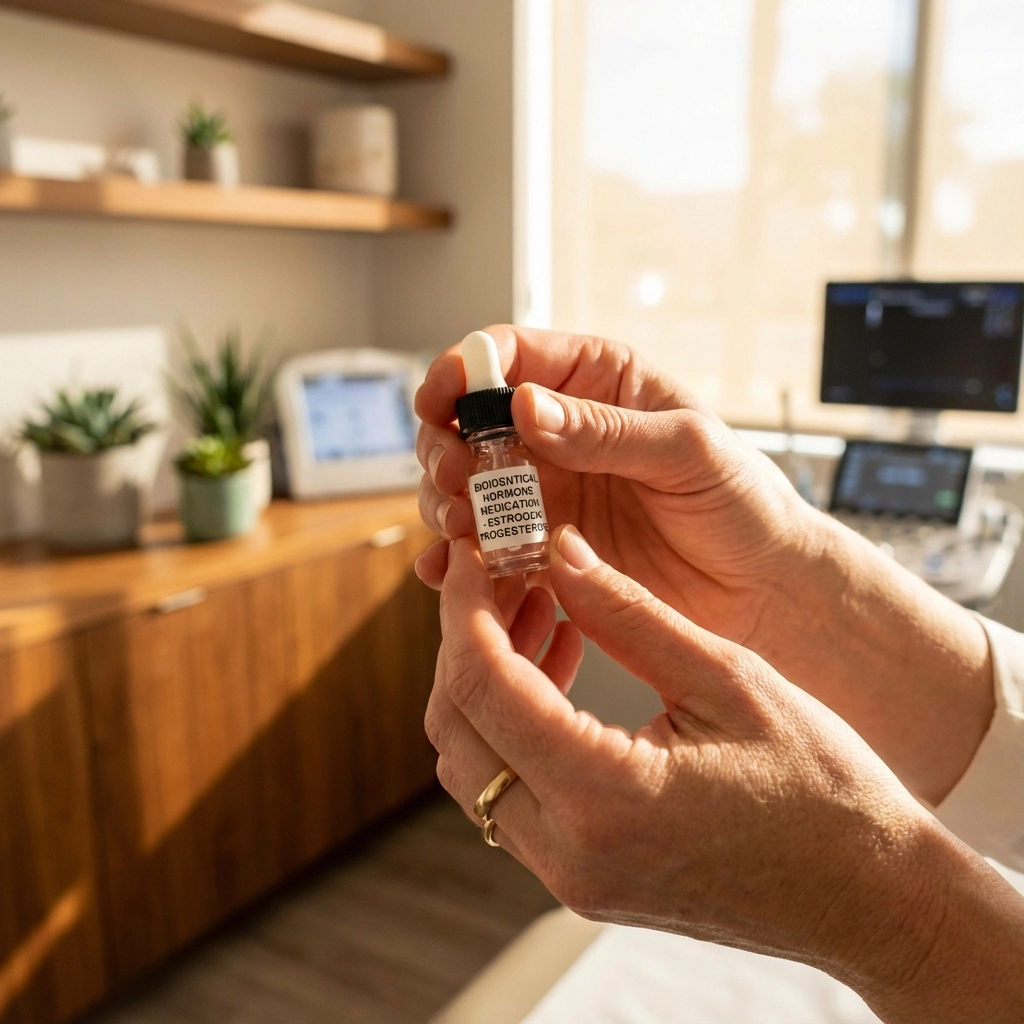
At VidaVital Medical, we understand that BHRT for women isn't a one-size-fits-all solution. Every woman's hormonal needs are unique, and our approach reflects that understanding.
What This Means for Your Treatment Decisions
The FDA's decision represents a return to what Commissioner Marty Makary calls "evidence-based medicine": allowing women and their physicians to make decisions grounded in current data rather than outdated fears.
This doesn't mean hormone therapy is suddenly risk-free. Every medical treatment carries some level of risk, and HRT is no exception. What's changed is our understanding of who faces higher risks, when those risks are most significant, and how to minimize them through careful patient selection and monitoring.
Key considerations for Omaha women:
- Your age and how long you've been in menopause
- Severity of your symptoms and impact on daily life
- Personal and family medical history
- Other health conditions you may have
- Your preferences about treatment approaches
The European Menopause and Andropause Society emphasized an important point: removing a warning doesn't mean HRT should be prescribed broadly without careful evaluation. The decision to use hormone therapy remains highly individualized.
Preparing for Your Appointment
If you're considering hormone therapy in Omaha, here's how to make the most of your consultation:
Come prepared with information about:
- Your menopause timeline and symptoms
- Current medications and supplements
- Family history of breast cancer, heart disease, and blood clots
- Previous experiences with hormonal treatments
- Specific goals for treatment
Questions to ask your provider:
- Based on my health history, am I a good candidate for HRT?
- What are the specific risks and benefits for someone like me?
- What types of hormone therapy do you recommend, and why?
- How will we monitor my progress and adjust treatment?
- What alternatives exist if HRT isn't right for me?

Beyond Hormone Therapy: Comprehensive Women's Health
While hormone therapy can be transformative for many women, it's just one piece of a comprehensive approach to health during and after menopause. The FDA's decision also approved new non-hormonal treatments for hot flashes, recognizing that women need multiple options.
Other important aspects of menopause management include:
- Nutrition and lifestyle modifications
- Exercise and strength training
- Sleep hygiene and stress management
- Regular health screenings and preventive care
- Mental health support when needed
At VidaVital Medical, our women's sexual health and wellness programs address the full spectrum of changes women experience during this life transition.
Looking Ahead: The Future of Menopause Treatment
The FDA's decision signals a broader shift in how the medical community approaches women's health during menopause. With improved access to both hormonal and non-hormonal treatments, women in Omaha and across the country have more options than ever before.
What to expect moving forward:
- More healthcare providers feeling confident discussing HRT
- Increased availability of different hormone formulations
- Better insurance coverage as treatments become more accepted
- Continued research into personalized treatment approaches
- Greater awareness of menopause as a normal life transition requiring support
Taking Your Next Steps
The removal of black box warnings doesn't mean you should rush into hormone therapy, but it does mean you can approach the conversation with your healthcare provider from a more balanced perspective. You deserve to have all the information you need to make decisions that support your health and well-being.
If you've been hesitant to explore menopause treatment options because of previous warnings, now might be the perfect time to schedule a consultation. Whether you're dealing with disruptive hot flashes, sleep disturbances, mood changes, or other menopause symptoms, you don't have to suffer in silence.
Remember, you're not alone in this journey. Millions of women navigate menopause successfully with the right support and treatment plan. The FDA's recent decision simply means you have more evidence-based options to discuss with your healthcare team.
Ready to explore your options? Consider reaching out to a qualified healthcare provider who specializes in women's hormonal health. At VidaVital Medical's Omaha location, we're here to support you with personalized care that puts your health and comfort first.
Your menopause journey is unique to you, and with the right information and support, you can navigate this transition with confidence and vitality.