
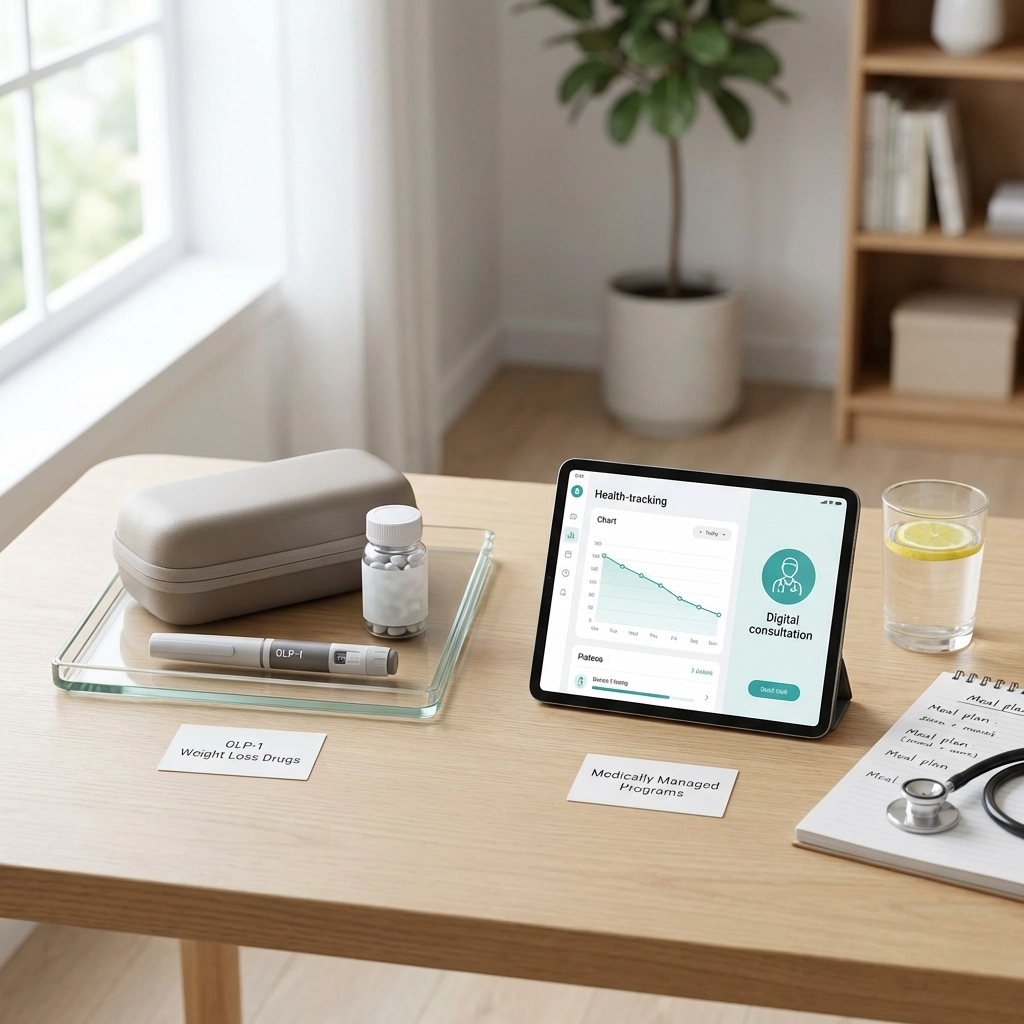
You're standing in your Palm Beach County doctor's office, holding yet another prescription, wondering if this time will be different. Maybe you've tried everything: counting calories, cutting carbs, hitting the gym religiously: only to watch the scale creep back up. Now you're hearing about GLP-1 drugs like Ozempic and Wegovy everywhere, from your neighbor in Boca Raton to the headlines on your phone. But you're also wondering: is there a better way than just popping another pill?
You're not alone in this frustration. Across South Florida, thousands of people are asking the same question: should I try the new weight loss drugs, or invest in a comprehensive medically managed program? The answer isn't as simple as you might think, and what works for your friend in West Palm Beach might not be your best path forward.
Let's break down what you really need to know about both approaches: because your long-term success depends on choosing the right strategy for your unique situation.
Understanding GLP-1 Weight Loss Drugs: The Promise and the Reality
GLP-1 drugs like semaglutide (Ozempic, Wegovy) and tirzepatide (Zepbound) have created a revolution in weight loss medicine. These medications work by mimicking hormones that regulate blood sugar and slow gastric emptying, making you feel full longer and reducing food cravings.
The impressive numbers you've probably heard are real: Clinical trials show patients losing around 12% of their body weight on semaglutide and up to 18% on tirzepatide. If you weigh 200 pounds, that could mean dropping 24 to 36 pounds: significant results that many Palm Beach County residents are experiencing firsthand.
But here's what the headlines don't tell you: real-world results often look different than clinical trial data. A comprehensive study found that patients using GLP-1 drugs continuously for a full year achieved an average of only 7% total weight loss in everyday clinical practice. That's still meaningful, but it's roughly half of what you might expect based on the marketing.

Why the gap between promise and reality? Several factors come into play:
• Discontinuation rates are surprisingly high – About 70% of patients stop taking GLP-1 drugs within their first year
• Side effects can be significant – Nausea, vomiting, and digestive issues affect many users
• Insurance coverage varies widely – Many Florida residents face high out-of-pocket costs
• Lifestyle factors still matter – The medication works best when combined with diet and exercise changes
What Happens When You Stop GLP-1 Drugs?
This is the question that keeps many of our Palm Beach County patients up at night, and it's crucial to understand before starting any GLP-1 medication.
The research is clear but sobering: After stopping GLP-1 drugs, patients regain an average of 22 pounds in the first year and typically return to their baseline weight within 18 months. That's a monthly weight gain of about 1.8 pounds: faster than many people initially lost the weight.
This happens because GLP-1 drugs don't fundamentally change your metabolism or eating behaviors. They suppress appetite while you're taking them, but once you stop, your body's natural hunger signals return to their previous patterns. It's like taking your foot off the brake: without other systems in place, you naturally return to where you started.
For many people in South Florida dealing with insurance changes, job transitions, or side effects that make the medication intolerable, this reality becomes a harsh awakening.
Medically Managed Weight Loss Programs: The Comprehensive Approach
A comprehensive medically managed weight loss program takes a fundamentally different approach. Instead of relying primarily on medication to suppress appetite, these programs focus on identifying and addressing the underlying factors that contribute to weight gain and difficulty losing weight.
Here's what a thorough medically managed program typically includes:
• Comprehensive metabolic testing – Thyroid function, insulin resistance, hormone levels, nutritional deficiencies
• Personalized nutrition planning – Based on your specific metabolic profile and lifestyle
• Behavioral modification support – Working with professionals who understand the psychology of eating and weight management
• Medical supervision and monitoring – Regular check-ins to adjust the plan as your body changes
• Addressing underlying health issues – Sleep disorders, stress management, hormonal imbalances

The weight loss may be slower initially: typically 1-2 pounds per week rather than the more dramatic early losses seen with GLP-1 drugs. But here's the crucial difference: when behavioral interventions end, weight regain happens much more slowly. Research shows it takes nearly four years for complete weight regain after a comprehensive program, with a monthly gain rate of only 0.7 pounds compared to 1.8 pounds after stopping GLP-1 drugs.
The Hidden Factors Most Palm Beach County Doctors Miss
Many weight loss attempts fail not because of lack of willpower, but because underlying medical issues aren't properly identified and addressed. Across South Florida, we see patients who've struggled for years, only to discover treatable conditions were sabotaging their efforts.
Common overlooked factors include:
• Insulin resistance – Even in people without diabetes, insulin resistance can make weight loss extremely difficult
• Thyroid dysfunction – Subtle thyroid issues often go undiagnosed but significantly impact metabolism
• Sleep disorders – Poor sleep quality disrupts hormones that control hunger and satiety
• Chronic stress and cortisol imbalances – High stress levels can promote weight storage, especially around the midsection
• Nutritional deficiencies – Deficiencies in key nutrients can slow metabolism and increase cravings
A comprehensive program addresses these root causes rather than just treating symptoms. This is why some people see dramatic improvements when they finally work with a medical team that looks at the whole picture.
Which Approach Is Right for You?
The honest answer depends on your specific situation, goals, and health profile. Here's how to think through your decision:
Consider GLP-1 drugs if:
• You need significant weight loss relatively quickly for health reasons
• You have diabetes or pre-diabetes (additional metabolic benefits)
• You can commit to long-term use and have insurance coverage
• You've successfully maintained weight loss with other methods before
Consider a comprehensive medically managed program if:
• You want to address underlying health issues, not just symptoms
• You've regained weight after previous diet attempts
• You prefer to minimize long-term medication dependence
• You want to develop sustainable lifestyle changes
Consider a combined approach if:
• You have significant weight to lose and want both immediate results and long-term sustainability
• You're willing to work with a medical team that can coordinate both strategies
• You have complex health issues that require comprehensive management

What Success Really Looks Like in Palm Beach County
After working with hundreds of patients across South Florida, we've learned that sustainable weight loss success rarely comes from a single intervention. The most successful patients typically combine medical supervision, personalized nutrition planning, behavioral support, and when appropriate, carefully managed medication.
Realistic timelines for sustainable weight loss:
• Month 1-3: Initial weight loss and metabolic improvements
• Month 3-6: Establishing new habits and addressing underlying health issues
• Month 6-12: Continued progress with focus on maintenance strategies
• Year 2 and beyond: Long-term weight stability with ongoing support
The key difference between temporary weight loss and lasting transformation is building systems that work with your life, not against it. This means creating eating patterns you can maintain, exercise routines that fit your schedule, and having ongoing medical support when challenges arise.
Common Mistakes That Sabotage Long-Term Success
Whether you choose GLP-1 drugs, a comprehensive program, or a combination approach, avoiding these common pitfalls can make the difference between temporary results and lasting change:
Mistake #1: Focusing Only on the Scale
Weight fluctuates daily due to hydration, hormones, and other factors. Successful patients track multiple metrics including energy levels, sleep quality, lab values, and how clothes fit.
Mistake #2: Going It Alone
Weight management is complex and individualized. Having ongoing medical support helps you navigate challenges and adjust your approach as needed.
Mistake #3: All-or-Nothing Thinking
Perfect adherence isn't required for success. The most successful patients develop flexibility and resilience when life gets in the way.
Mistake #4: Ignoring Underlying Health Issues
If hormonal imbalances, sleep disorders, or other medical conditions aren't addressed, weight loss becomes much harder to achieve and maintain.
Frequently Asked Questions
Q: Can I use GLP-1 drugs as part of a comprehensive program?
A: Absolutely. Many patients benefit from a combined approach where GLP-1 medications provide initial weight loss while they work on lifestyle changes and address underlying health issues. This can offer both immediate results and long-term sustainability.
Q: How do I know if I have underlying health issues affecting my weight?
A: Comprehensive lab testing can identify many factors including insulin resistance, thyroid dysfunction, hormone imbalances, and nutritional deficiencies. A qualified medical provider can determine which tests are appropriate for your situation.
Q: What if I've failed at weight loss programs before?
A: Previous failures often reflect programs that didn't address your individual needs rather than personal shortcomings. A thorough medical evaluation can identify why previous attempts didn't work and create a more personalized approach.
Q: How much does a medically managed program typically cost compared to GLP-1 drugs?
A: Costs vary significantly based on the specific program and your insurance coverage. Many patients find that addressing underlying health issues through a comprehensive program is more cost-effective long-term than ongoing medication expenses.
Q: Do I need to live near Palm Beach County to work with VidaVital Medical?
A: While we have a strong presence in South Florida, we work with patients throughout the region and can often coordinate care with local providers when needed.
Your Next Steps Toward Lasting Success
The most important decision isn't whether to choose GLP-1 drugs or a medically managed program: it's deciding to work with qualified medical professionals who can help you identify the best approach for your unique situation.
If you're ready to move beyond quick fixes and focus on sustainable, long-term weight management success, consider scheduling a comprehensive consultation. This allows you to understand your baseline health status, identify any underlying factors affecting your weight, and develop a personalized plan that aligns with your goals and lifestyle.
Remember, you don't have to choose between rapid results and lasting change. With the right medical guidance, you can create a strategy that gives you both. Your future self will thank you for taking this important step toward comprehensive health and wellness.
VidaVital Medical specializes in comprehensive, medically supervised weight management programs throughout Palm Beach County. Our approach combines cutting-edge medical treatments with personalized lifestyle interventions to help you achieve sustainable results.