

If you've been noticing more hair in your shower drain or catching glimpses of your scalp in photos, you're not alone. Hair loss affects millions of adults, and it's completely natural to feel concerned about changes to your appearance. The good news? Hair restoration has evolved dramatically, and 2026 brings more effective, less invasive options than ever before.
Whether you're in your thirties noticing early thinning or in your fifties dealing with advanced hair loss, Boca Raton offers access to cutting-edge treatments that actually deliver results. Let's explore what's working, what's new, and how to make the smartest choice for your unique situation.
What Actually Works: The Proven Foundation of Hair Restoration
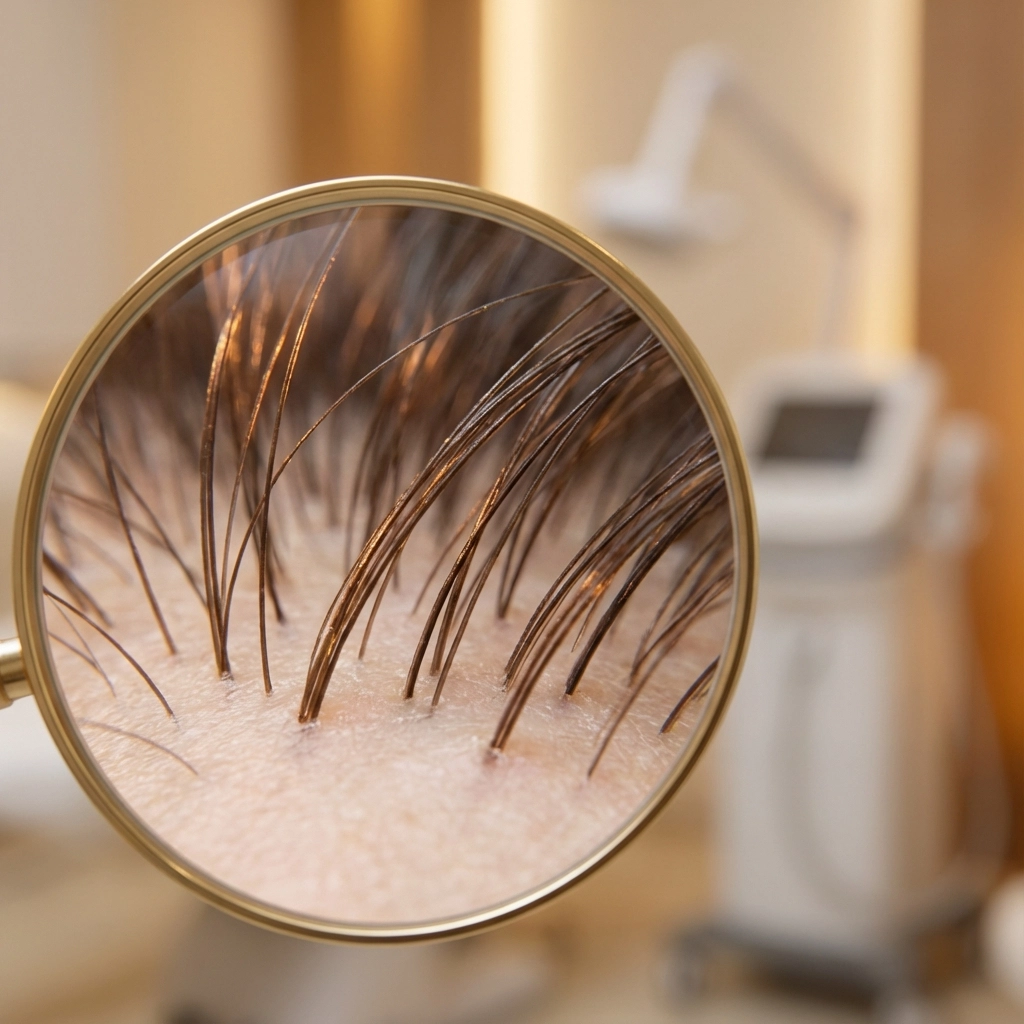
The gold standard remains surgical hair transplantation using Follicular Unit Extraction (FUE) and Follicular Unit Transplantation (FUT) techniques. These aren't new procedures, but they've been refined to deliver more natural-looking results with minimal downtime.
FUE involves harvesting individual hair follicles from donor areas (typically the back and sides of your head) and transplanting them to thinning or balding areas. Think of it as relocating your strongest hair soldiers to where they're needed most. FUT, on the other hand, removes a strip of scalp from the donor area and divides it into individual grafts.
Both techniques work because they use your own hair follicles that are genetically resistant to the hormones causing hair loss. Once transplanted, these follicles continue growing hair for life.
Key benefits you can expect:
- Permanent, natural-looking results
- Hair that grows, can be cut, and styled normally
- Minimal scarring with modern techniques
- High success rates when performed by experienced physicians
The reality is that surgical options remain the most reliable way to restore significant hair loss. However, the real breakthroughs in 2026 lie in how we combine these proven techniques with innovative supportive therapies.
The 2026 Breakthroughs: Enhanced Healing and Better Results
While the basic surgical techniques haven't changed dramatically, the supporting treatments that enhance results have evolved significantly. Platelet-Rich Plasma (PRP) therapy is now commonly used alongside transplants to accelerate healing and improve graft survival rates.
Exosome therapy represents one of the newest advances, utilizing growth factors and proteins from stem cells to promote healing and hair growth. Unlike PRP, which uses your own platelets, exosomes come from laboratory-cultured stem cells and contain concentrated growth signals that can enhance recovery.
Advanced graft preservation techniques now allow harvested follicles to survive longer outside the body, leading to better transplant success rates. Some clinics are using specialized storage solutions that keep grafts viable for extended periods, allowing for more precise placement.
Robotic-assisted FUE procedures have become more precise and faster, reducing procedure time and improving consistency. While not every clinic offers robotic assistance, the technology can minimize human error during graft extraction.
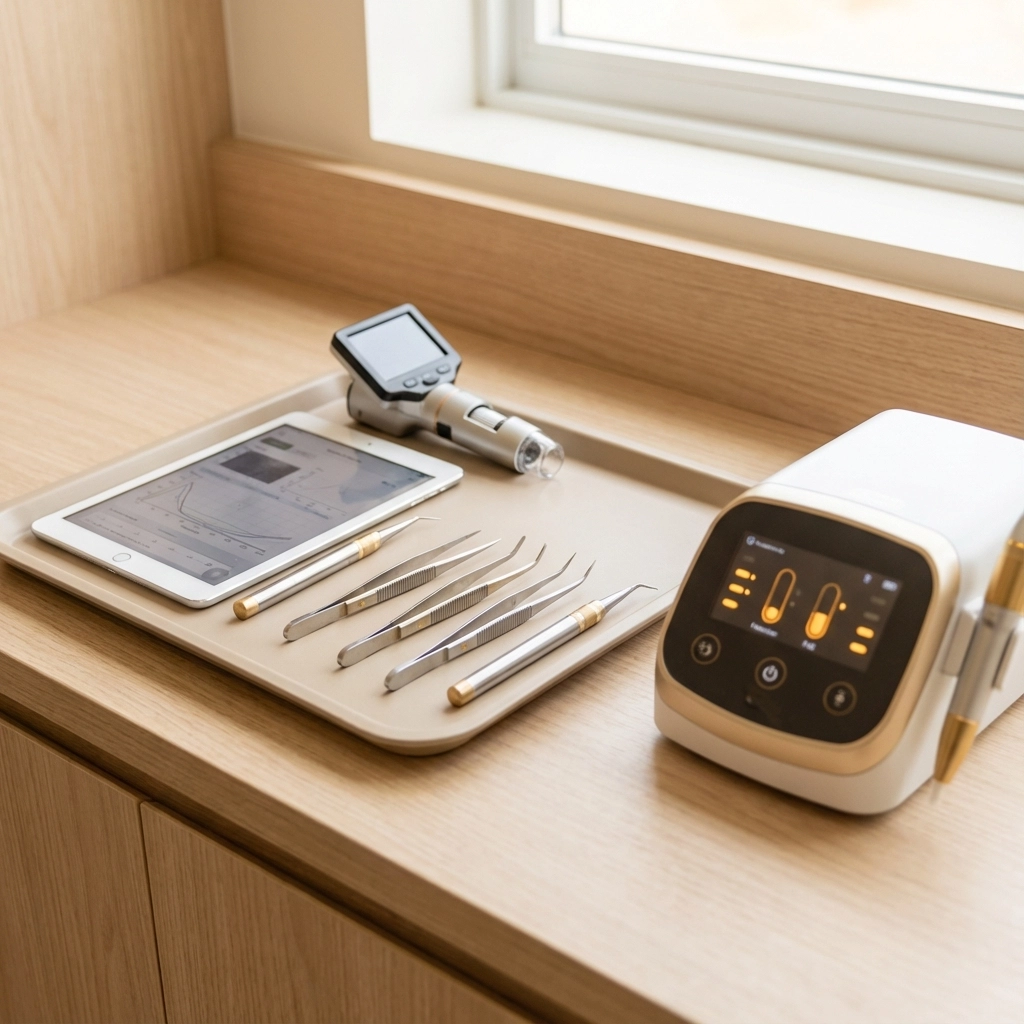
Combination therapy protocols are becoming the norm, where patients receive:
- Pre-treatment conditioning with medications or PRP
- Surgical transplantation
- Post-treatment support with growth factors
- Ongoing maintenance with proven medications
This comprehensive approach addresses hair loss from multiple angles, maximizing your investment and results.
Choosing the Right Treatment Approach for Your Situation
Your hair restoration journey should begin with honest self-assessment and realistic expectations. Not everyone is a candidate for surgical restoration, and that's perfectly okay. The key is finding what works best for your specific pattern of hair loss, age, lifestyle, and goals.
Consider surgical options if you have:
- Stable hair loss patterns (not actively progressing rapidly)
- Sufficient donor hair in the back and sides of your head
- Realistic expectations about gradual results over 6-12 months
- The ability to take time off for recovery
Non-surgical options might be better if you:
- Have early-stage thinning rather than complete baldness
- Prefer to avoid surgical procedures
- Want to start with less invasive treatments
- Need to maintain a very active lifestyle without downtime
The most successful patients often combine approaches. You might start with PRP or medication to slow hair loss, then later add surgical restoration for areas that need more dramatic improvement.
Questions to ask yourself:
- How much does my hair loss affect my confidence?
- Am I ready to commit to the full treatment timeline?
- Do I have realistic expectations about gradual improvement?
- What's my budget for both initial treatment and maintenance?
Remember, there's no rush to make this decision. A good provider will give you time to consider your options without pressure.
What to Expect During Your Hair Restoration Journey
Understanding the process helps reduce anxiety and sets appropriate expectations. Hair restoration is a marathon, not a sprint – results develop over months as your new hair grows in cycles.
Initial consultation typically involves examining your scalp, discussing your medical history, and reviewing before-and-after photos of similar cases. Don't hesitate to ask about the provider's experience, success rates, and what makes their approach unique.
Pre-treatment preparation might include:
- Discontinuing certain medications that affect bleeding
- Starting PRP treatments to optimize scalp health
- Beginning medications to slow further hair loss
- Taking photos for progress tracking

The procedure day for FUE typically takes 4-8 hours depending on the number of grafts needed. You'll be awake but comfortable with local anesthesia. Most patients describe it as tedious rather than painful.
Recovery involves several phases:
- Days 1-3: Some swelling and mild discomfort, manageable with prescribed medications
- Week 1: Transplanted hair appears like tiny stubble, donor area heals
- Weeks 2-4: Transplanted hair falls out (this is normal and expected!)
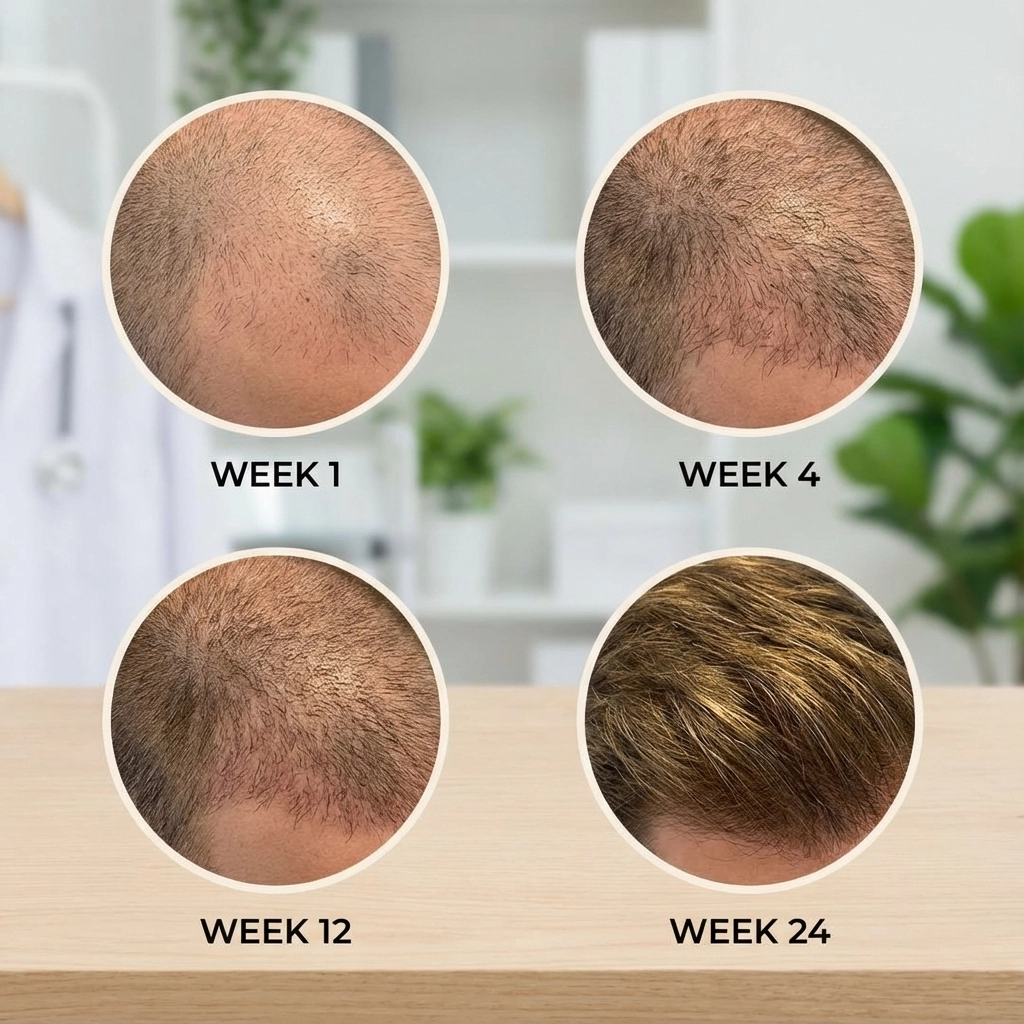
- Months 3-6: New hair begins growing from transplanted follicles
- Months 6-12: Continued growth and thickening, final results visible
The temporary hair loss around week 2-4 shocks many patients, but this is actually a positive sign that the follicles are transitioning into their new growth cycle. Your provider should prepare you for this phase.
Why VidaVital Medical Stands Out in Boca Raton's Hair Restoration Scene
When choosing a provider, you want expertise, personalized care, and a comprehensive approach to your wellness. VidaVital Medical offers more than just hair restoration – we understand that hair loss often connects to broader health issues like hormonal imbalances, stress, and nutritional deficiencies.
Our approach includes:
- Comprehensive evaluation of potential underlying causes
- Integration with hormone therapy when appropriate
- Personalized treatment protocols tailored to your lifestyle
- Ongoing support throughout your restoration journey
- Access to the latest advances in regenerative medicine
We recognize that hair loss can significantly impact your confidence and quality of life. That's why we take time to understand your goals and develop a treatment plan that fits your life, not the other way around.
What sets us apart:
- Board-certified physicians with extensive experience
- Combination of proven techniques with innovative supportive therapies
- Emphasis on natural-looking, long-term results
- Honest discussions about expectations and limitations
- Comprehensive wellness approach addressing root causes
Many of our patients appreciate that we don't pressure them into immediate decisions. Hair restoration is a significant investment in yourself, and you deserve time to make the choice that feels right.
Frequently Asked Questions
Q: How much does hair restoration cost in Boca Raton?
A: Costs vary significantly based on the technique, number of grafts needed, and whether you combine treatments. FUE procedures typically range from $4,000-$15,000. During consultation, we provide detailed cost breakdowns and discuss financing options.
Q: Am I too young/old for hair restoration?
A: Age isn't the primary factor – hair loss pattern stability matters more. We generally recommend waiting until patterns stabilize (often late 20s or older) but evaluate each case individually. There's no upper age limit for healthy candidates.
Q: Will transplanted hair look natural?
A: Modern techniques create very natural results when performed by experienced surgeons. The key is proper hairline design, appropriate graft placement angles, and using your own hair follicles that match your natural characteristics.
Q: How long do results last?
A: Transplanted hair follicles are permanent because they come from areas genetically resistant to hair loss. However, you may experience continued thinning in non-transplanted areas over time.
Q: Can I exercise after the procedure?
A: Light activities can resume within a few days, but avoid strenuous exercise, heavy lifting, or activities that cause sweating for 1-2 weeks. Your provider will give specific guidelines based on your procedure.
Q: What if I'm not happy with the results?
A: Reputable providers stand behind their work. Some refinements or additional sessions may be needed to achieve optimal results, which should be discussed upfront.

Taking the Next Step Toward Hair Restoration
If you're tired of feeling self-conscious about your hair loss, 2026 offers more effective solutions than ever before. The combination of proven surgical techniques with innovative supportive therapies means better results, faster healing, and more natural-looking outcomes.
Your next steps:
- Schedule a consultation to discuss your specific situation and goals
- Ask questions about techniques, experience, and expected outcomes
- Review before-and-after photos of patients with similar hair loss patterns
- Understand the complete process including timeline and aftercare
- Consider your options without pressure to decide immediately
Remember, the best time to address hair loss is when it starts bothering you, not when it becomes severe. Early intervention often provides more options and better results.
At VidaVital Medical, we're committed to helping you make an informed decision about hair restoration. Whether that means moving forward with treatment or exploring other options, we're here to support your journey toward feeling confident and comfortable in your own skin.
Ready to explore your hair restoration options? Contact VidaVital Medical today to schedule your consultation. Let's work together to develop a plan that helps you look and feel your best.
Visit VidaVital Medical to learn more about our comprehensive approach to hair restoration and wellness.