

Hair loss affects millions of people, and if you're reading this, you're probably one of them. First, take a deep breath: you're not alone in this journey, and there's no need to feel embarrassed or defeated. Hair loss is incredibly common, affecting about 50% of people over 30, and the good news is that 2025 has brought us more effective, accessible treatment options than ever before.
Whether you've been noticing more hair in your shower drain, developing a receding hairline, or dealing with thinning that's affecting your confidence, Boca Raton offers some of the most advanced hair restoration treatments available today. Let's walk through what actually works, what's new this year, and how to make the best choice for your unique situation.
Understanding Your Hair Loss: You're Not Failing, Your Follicles Are
Before diving into treatments, it's important to understand that hair loss isn't a personal failing: it's biology. Most hair loss is caused by genetics (androgenetic alopecia), hormonal changes, stress, or medical conditions. Think of your hair follicles like tiny gardens that sometimes need different types of care to flourish again.
The key is identifying what's causing your specific hair loss pattern. Men typically experience receding hairlines and crown thinning, while women often see diffuse thinning across the top of their scalp. Both patterns respond well to treatment when caught early, but even advanced hair loss has excellent treatment options in 2025.
Surgical Hair Restoration: The Gold Standard Gets Better
Follicular Unit Extraction (FUE)
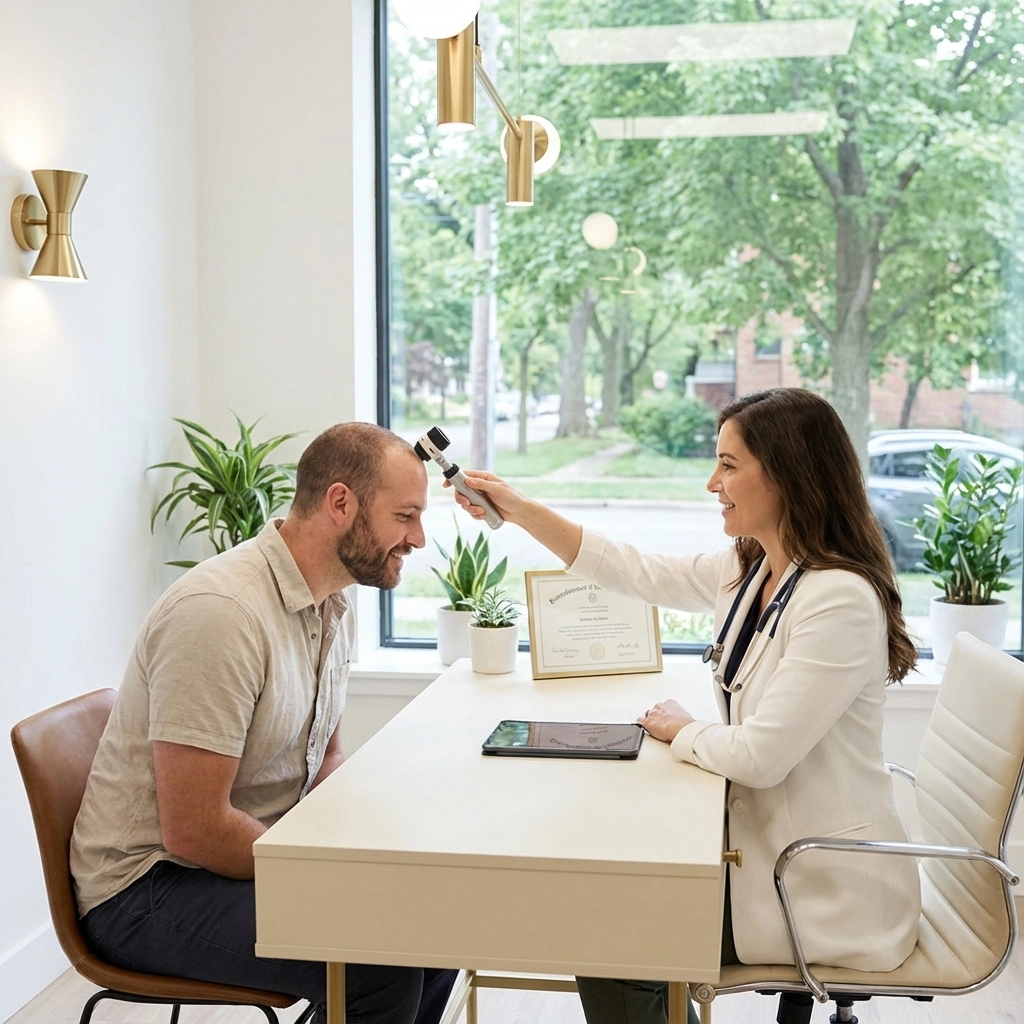
FUE remains the most popular surgical option, and for good reason. This technique involves extracting individual hair follicles from donor areas (usually the back of your head) and transplanting them to thinning areas. What makes FUE special in 2025 is the precision: surgeons now use micro-punch tools and magnified extraction systems that dramatically improve graft survival rates while minimizing scarring.
Local clinics like Kopelman Hair, with over 40 years of combined experience, have perfected techniques that leave virtually no visible scarring. You can return to work within a few days, and the results develop gradually over 6-12 months, creating completely natural-looking hair growth.
Follicular Unit Transplantation (FUT)
FUT involves removing a strip of scalp from the donor area and carefully dissecting it into individual follicles. While it does leave a linear scar, modern closure techniques make this barely noticeable, and FUT often allows for transplanting more grafts in a single session. This can be ideal if you need extensive coverage.
What to expect: Both procedures are performed under local anesthesia, take 4-8 hours depending on the number of grafts, and involve a recovery period of about a week. Most patients describe the discomfort as mild and easily managed with over-the-counter pain medication.
Non-Surgical Treatments: Powerful Options Without the Commitment
PRP and PRF Therapy
Platelet-Rich Plasma (PRP) therapy has evolved significantly. This treatment uses your own blood, processed to concentrate growth factors, then injected into your scalp to stimulate dormant follicles. PRF (Platelet-Rich Fibrin) is the newer cousin that provides longer-lasting growth factor release.
The treatment involves a simple blood draw, processing in a centrifuge, and multiple small injections into the scalp. Most patients need 3-4 sessions spaced a month apart, with maintenance treatments every 6 months. It's particularly effective for early-stage hair loss and can enhance surgical results.
Laser Therapy: Light That Stimulates Growth

Low-level laser therapy has come a long way from the bulky helmets of the past. Modern devices like the LaserCap® and Alma TED™ technology use specific wavelengths to increase blood flow to follicles and stimulate cellular activity. These treatments are painless and can be done during regular activities.
Alma TED technology, in particular, uses acoustic sound waves combined with specialized serums to deliver growth factors deep into the scalp without needles. It's become incredibly popular because there's no downtime and no discomfort.
Topical Treatments and Medications
The landscape of topical treatments has expanded beyond basic minoxidil. Medical-grade formulations now include custom compounds that combine multiple growth factors, peptides, and medications tailored to your specific needs. Finasteride and dutasteride remain powerful options for blocking DHT (the hormone responsible for pattern baldness), with excellent safety profiles when properly monitored.
Microneedling with Growth Factors
This treatment combines controlled micro-injuries to the scalp with the application of growth factors and peptides. The SkinPen microneedling system creates tiny channels that enhance absorption of therapeutic compounds while stimulating your body's natural healing response. It's particularly effective when combined with PRP or specialized serums.
What's New in 2025: Cutting-Edge Advances
This year has brought several exciting developments to hair restoration:
Exosome therapy has emerged as a powerful addition to PRP treatments. These microscopic messengers carry growth signals between cells and have shown remarkable results in stimulating hair growth.
AI-powered treatment planning now allows surgeons to map your hair loss pattern and predict future progression with unprecedented accuracy, leading to better long-term results.
Enhanced recovery protocols have reduced downtime for surgical procedures, with some patients returning to work the day after FUE procedures.
Real Boca Raton Success Stories
Sarah, a 42-year-old marketing executive, noticed significant thinning after a stressful period at work. "I tried everything from expensive shampoos to supplements, but nothing worked. After three PRP sessions combined with microneedling, I started seeing new growth within two months. Now, a year later, my hair is thicker than it's been in years."
Michael, 35, chose FUE after years of wearing hats to hide his receding hairline. "The procedure was easier than I expected. Dr. Kopelman's team walked me through everything, and the results look completely natural. My barber can't even tell I had work done."
Choosing the Right Treatment: Your Personal Roadmap
The best treatment for you depends on several factors:
- Stage of hair loss: Early thinning responds well to non-surgical options, while advanced loss may benefit from transplantation
- Age and lifestyle: Younger patients might start with PRP and laser therapy, while older patients may prefer the permanent results of surgery
- Budget and timeline: Non-surgical treatments require ongoing maintenance but have lower upfront costs
- Personal goals: Some people want dramatic transformation, others prefer gradual improvement
What to Expect: Demystifying the Process
Consultation: A thorough evaluation includes examining your scalp, discussing medical history, and sometimes blood work to identify underlying causes. This isn't a sales pitch: reputable clinics focus on education and realistic expectations.
Treatment planning: Your provider should explain all options, expected timelines, and costs upfront. Don't hesitate to ask questions or seek a second opinion.
Follow-up care: Regular monitoring ensures optimal results and allows for treatment adjustments. Think of this as building a long-term partnership with your healthcare team.
The VidaVital Medical Approach
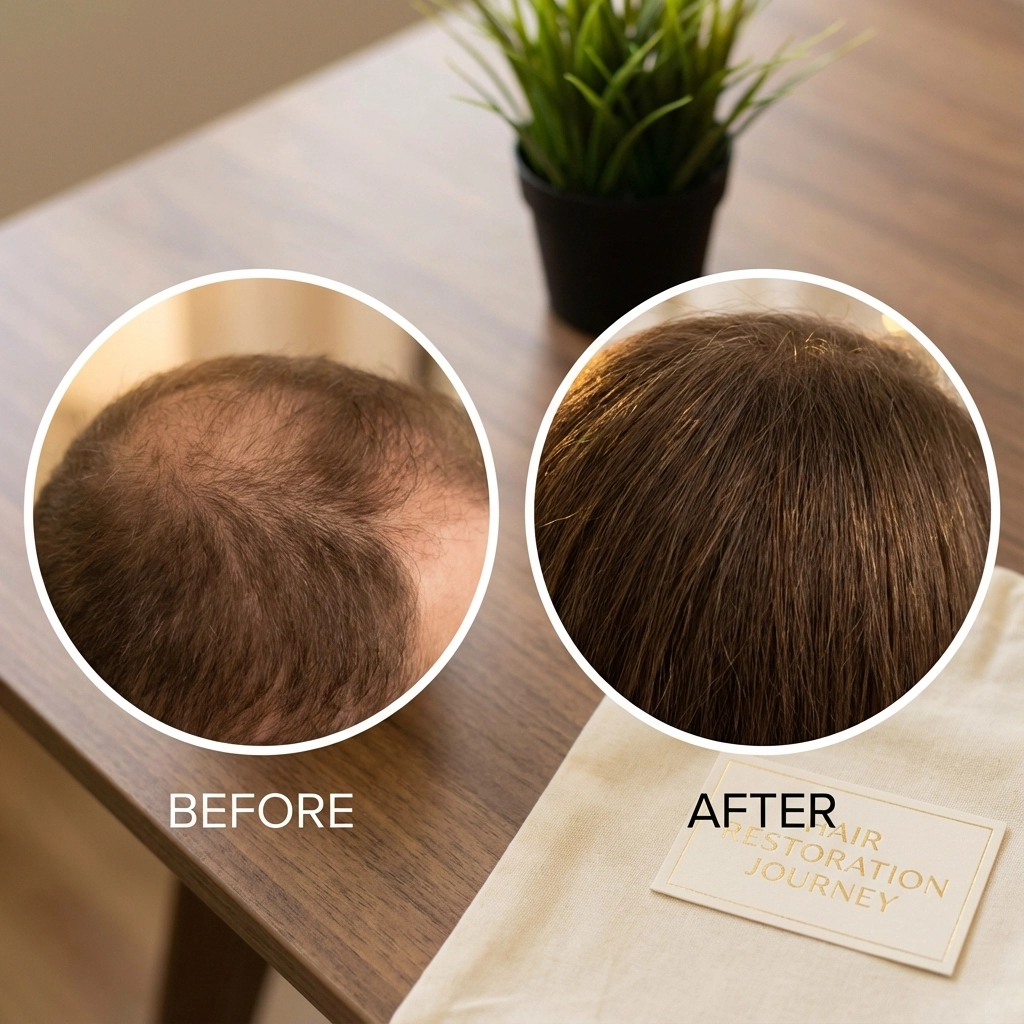
At VidaVital Medical, we understand that hair loss affects more than just your appearance: it impacts your confidence and quality of life. Our comprehensive approach combines the latest treatment options with personalized care that addresses your unique needs and goals.
We don't believe in one-size-fits-all solutions. Instead, our team works with you to develop a treatment plan that fits your lifestyle, budget, and expectations. Whether you're exploring hormone therapy options that might be affecting your hair, or seeking the latest in hair restoration technology, we're here to guide you through every step.
Taking the Next Step: You Have More Control Than You Think
Hair loss can feel overwhelming, but remember: you have more control over this situation than you might realize. The treatments available in 2025 are more effective, more comfortable, and more accessible than ever before.
Don't let hair loss dictate your confidence or lifestyle choices. Whether you choose surgical restoration, non-surgical treatments, or a combination approach, taking action is the first step toward reclaiming your confidence.
Ready to explore your options? Schedule a consultation with our experienced team at VidaVital Medical today. We'll help you understand what's possible and create a personalized treatment plan that fits your goals and lifestyle.
Frequently Asked Questions
Q: How do I know if I'm a good candidate for hair restoration?
A: Most people with pattern hair loss are candidates for some form of treatment. The best candidates have realistic expectations, stable hair loss patterns, and sufficient donor hair for transplants. A consultation can determine your specific options.
Q: Are the results permanent?
A: Surgical hair transplants provide permanent results because transplanted hair comes from areas genetically resistant to hair loss. Non-surgical treatments typically require ongoing maintenance to sustain results.
Q: How much does hair restoration cost in Boca Raton?
A: Costs vary widely based on treatment type. PRP sessions range from $500-800 each, while hair transplants can cost $5,000-15,000 depending on the number of grafts needed. Many providers offer financing options.
Q: When will I see results?
A: Non-surgical treatments typically show improvement in 3-6 months, with full results in 12 months. Hair transplants begin showing growth around month 4, with full results visible by 12-18 months.
Q: Is hair restoration painful?
A: Most treatments involve minimal discomfort. Surgical procedures use local anesthesia, and patients typically describe post-procedure discomfort as mild. Non-surgical treatments like PRP involve brief needle sensations.
Q: Can women benefit from hair restoration?
A: Absolutely. Women often respond very well to PRP therapy, laser treatments, and topical medications. Female hair transplants are also highly successful, though the approach differs from male pattern baldness treatment.
Q: What's the difference between cheap online treatments and professional care?
A: Professional treatments are customized to your specific hair loss pattern, use medical-grade products, and include ongoing monitoring. While online options might seem appealing, hair restoration is a medical procedure that benefits greatly from expert guidance and personalized care.