
You're not alone if you've noticed your hairline changing or your hair feeling thinner than it used to be. Hair loss affects over 80% of men and 50% of women by age 50, and it's one of those changes that can really impact how you feel about yourself. The good news? Hair restoration has come a long way, and here in West Palm Beach, you have access to some of the most advanced, evidence-based treatments available.
Gone are the days when your only options were expensive transplants or questionable "miracle" products. Today's hair restoration combines cutting-edge science with personalized care, and many treatments can fit seamlessly into your busy life. Let's walk through what actually works in 2026 and what you can expect from each approach.
Understanding Hair Loss: You're Not Imagining Things
Before we dive into treatments, let's acknowledge something important: hair loss is real, it's common, and it's not your fault. Whether it's genetics, hormones, stress, or a combination of factors, thinning hair is a natural part of life for many of us. The key is understanding that effective solutions exist and that seeking help is a sign of taking care of yourself, not vanity.
Modern hair restoration isn't about chasing unrealistic expectations: it's about working with your body's natural processes to encourage healthy hair growth and restore confidence in a way that looks and feels natural.
The Gold Standard: Surgical Hair Restoration
Hair Transplantation (FUE and FUT)
When you want the most permanent, dramatic results, surgical hair transplantation remains the gold standard. Two main techniques dominate the field:
Follicular Unit Extraction (FUE) involves individually harvesting healthy hair follicles from donor areas (usually the back of your head) and transplanting them to thinning areas. This method leaves tiny, barely visible scars and typically offers faster recovery.
Follicular Unit Transplantation (FUT) removes a strip of hair-bearing skin from the donor area, which is then divided into individual grafts. While it leaves a linear scar, FUT can often provide more grafts in a single session.
What to expect: Both procedures are outpatient treatments performed under local anesthesia. You'll see initial growth within 3-4 months, with full results visible by 12-18 months. The transplanted hair grows naturally and permanently.
Who it's best for: People with significant hair loss who want a one-time, permanent solution and have adequate donor hair.
Non-Surgical Powerhouses: Evidence-Based Alternatives
Not everyone needs or wants surgery, and that's perfectly fine. Non-surgical treatments have become incredibly sophisticated and can deliver impressive results for many people.
Platelet-Rich Plasma (PRP) Therapy
PRP therapy uses your body's own healing mechanisms to stimulate hair growth. Your blood is drawn, processed to concentrate the platelets, and then injected into areas of thinning hair. The concentrated growth factors in your platelets help wake up dormant hair follicles and improve hair thickness.
What to expect: Three initial treatments spaced 4-6 weeks apart, followed by maintenance treatments every 6-12 months. You'll typically see improvements within 3-6 months.
Low-Level Laser Therapy (LLLT)
Also known as red light therapy, LLLT uses specific wavelengths of light to stimulate cellular activity in hair follicles. This FDA-cleared treatment can be done in-office or with at-home devices.
What to expect: In-office treatments typically occur 2-3 times per week initially, then maintenance sessions. Results become visible after 3-4 months of consistent treatment.
Stem Cell and Exosome Treatments
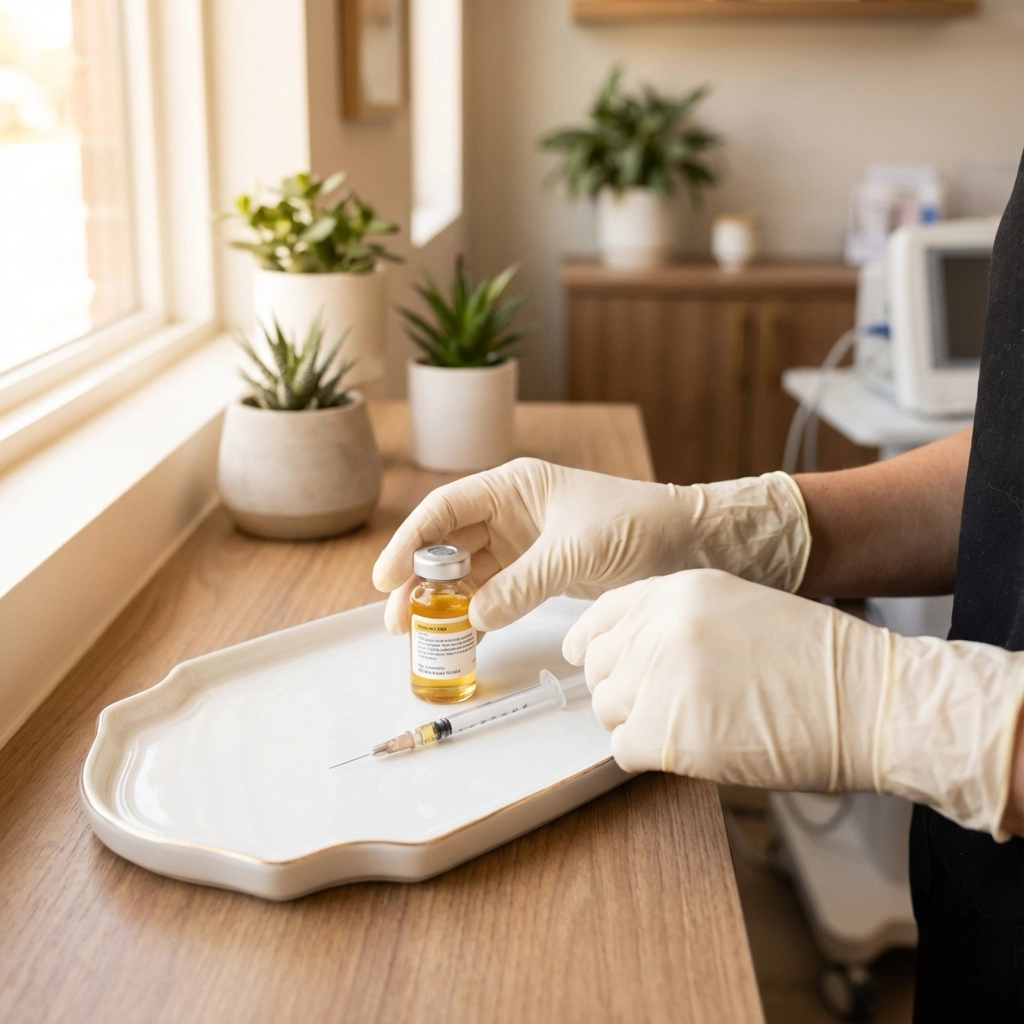
This represents some of the newest science in hair restoration. Stem cell exosome treatments use regenerative factors to promote hair follicle health and growth. These treatments harness your body's natural repair mechanisms to address hair loss at the cellular level.
What to expect: Most patients need about three treatments, with initial improvements visible within 2-3 months and more significant results by six months.
Pharmaceutical Approaches: The Foundation Treatments
FDA-Approved Medications
Medications like finasteride (for men) and minoxidil (for both men and women) remain cornerstone treatments because they address the root causes of pattern hair loss. These work by either blocking the hormone that causes hair loss (finasteride) or improving blood flow to hair follicles (minoxidil).
What to expect: Consistent daily use is essential. You may notice reduced hair loss within 3 months, with regrowth becoming apparent around 6 months. These treatments require ongoing use to maintain benefits.
Advanced Scalp Health Treatments
Keravive and Similar Scalp Therapies
Think of these treatments as a deep cleanse and nourishment for your scalp. Keravive combines gentle exfoliation, deep cleansing, and targeted serums to create an optimal environment for hair growth. A healthy scalp is the foundation for healthy hair.
What to expect: Monthly treatments initially, then maintenance every 2-3 months. Many people notice improved hair texture and scalp comfort immediately, with growth improvements over time.

The Personalized Approach: Genetic Testing and Custom Plans
One of the most exciting developments in hair restoration is the move toward truly personalized treatment. Some practices now use genetic testing to understand your specific type of hair loss and create customized treatment plans that might combine multiple approaches.
This personalized approach recognizes that your hair loss is as unique as you are, and your treatment plan should reflect that. Instead of a one-size-fits-all approach, you get a roadmap designed specifically for your genetics, lifestyle, and goals.
What to Expect from Your Hair Restoration Journey
The Consultation Process
Your first appointment should feel like a conversation, not a sales pitch. A good practitioner will:
- Examine your scalp and hair loss pattern thoroughly
- Discuss your medical history and any contributing factors
- Explain all available options honestly, including what might not work for you
- Set realistic expectations about timelines and results
- Answer all your questions without rushing
Timeline Reality Check
Hair restoration is a marathon, not a sprint. Here's what's realistic:
- 1-3 months: You might notice reduced hair loss or improved hair texture
- 3-6 months: Initial new growth becomes visible
- 6-12 months: More significant improvements are apparent
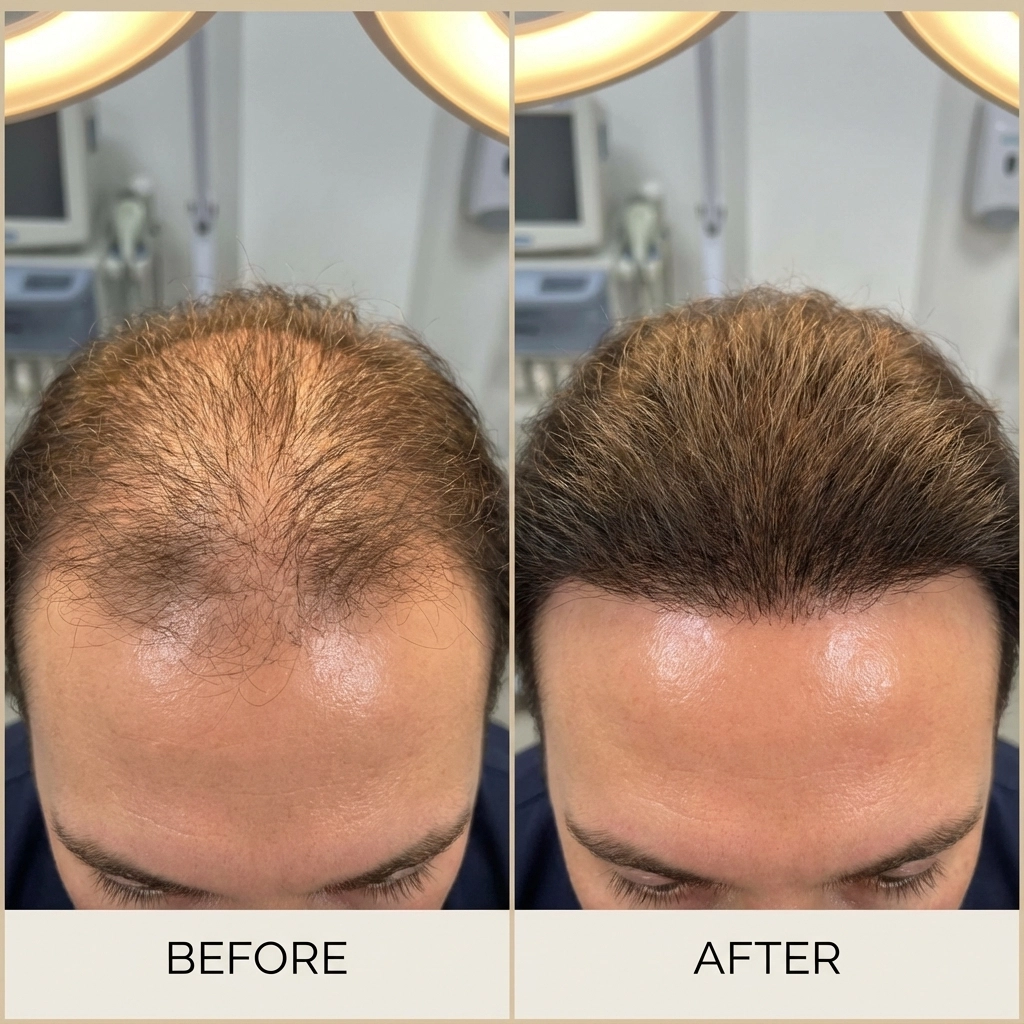
- 12+ months: Full results are typically visible
Remember, everyone's timeline is different, and patience is part of the process.
Frequently Asked Questions
Q: How do I know which treatment is right for me?
A: The best treatment depends on your specific type of hair loss, the extent of thinning, your budget, lifestyle, and personal goals. A thorough consultation with a hair restoration specialist can help determine the most appropriate approach for your situation.
Q: Are these treatments painful?
A: Most non-surgical treatments involve minimal discomfort. PRP involves small injections that feel like tiny pinpricks. Surgical procedures use local anesthesia, so you shouldn't feel pain during the procedure, though there may be some discomfort during recovery.
Q: How much do these treatments cost?
A: Costs vary significantly based on the treatment type and extent needed. Non-surgical options like PRP typically range from hundreds to a few thousand dollars, while surgical procedures can range from several thousand to tens of thousands of dollars. Many practices offer financing options.
Q: Can I combine different treatments?
A: Absolutely. Many patients achieve the best results by combining treatments: for example, using medications as a foundation while adding PRP or LLLT for enhanced results. Your practitioner can design a comprehensive plan that works synergistically.
Q: What if the treatments don't work for me?
A: While no treatment works for 100% of people, most evidence-based treatments have high success rates when properly selected and implemented. If initial treatments aren't effective, your practitioner may adjust the approach or explore alternative options.
Taking the Next Step: Your Hair Restoration Journey Starts Here
Deciding to address hair loss is a personal choice, and it's one that deserves thoughtful consideration and expert guidance. The key is finding a practice that treats you as a whole person, not just a scalp to fix.
At VidaVital Medical, we understand that hair restoration is about more than just hair: it's about helping you feel confident and comfortable in your own skin. Our approach combines the latest evidence-based treatments with personalized care that respects your unique needs and goals.
We believe in honest conversations, realistic expectations, and comprehensive solutions. Whether you're just starting to notice thinning or you've been dealing with hair loss for years, we're here to help you explore your options in a supportive, professional environment.
Ready to learn more about what hair restoration can do for you? Your journey toward healthier, fuller hair starts with a conversation. Contact VidaVital Medical today to schedule your consultation. We'll take the time to understand your concerns, explain your options clearly, and work with you to create a personalized plan that fits your life and goals.
Remember, taking action today means you'll be enjoying the results sooner. Your future self will thank you for taking this important step toward feeling your best.