
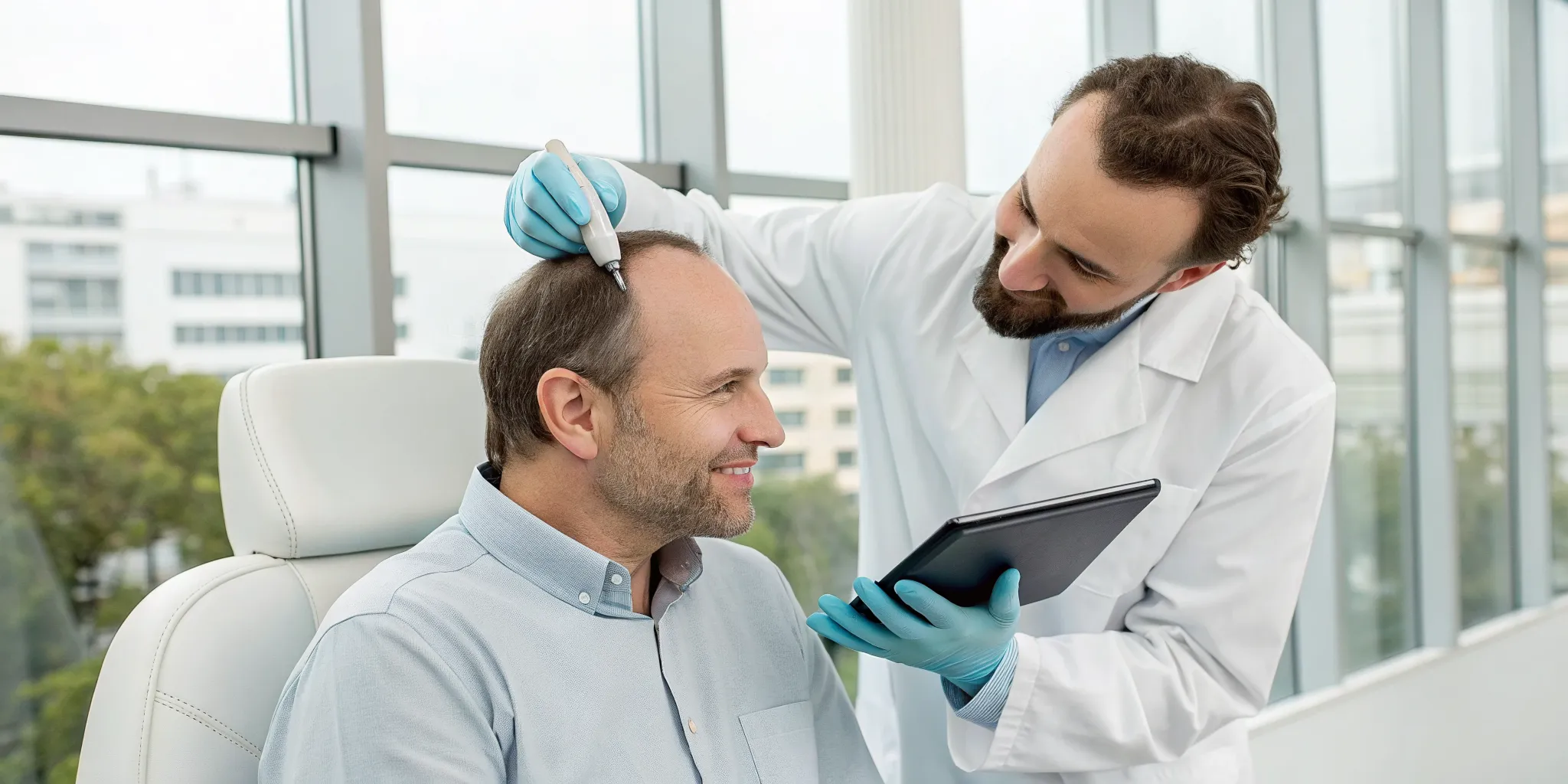
When you think about hair restoration, it’s easy to picture the unnatural-looking results from decades ago. Thankfully, those days are long gone. Today’s procedures are sophisticated, safe, and capable of producing results so seamless that no one will know you had anything done. If you’re searching for a “hair restoration treatment near me,” you deserve accurate, up-to-date information. This guide cuts through the myths and misconceptions to give you the facts. We’ll cover everything from the real costs involved and what recovery actually feels like to how specialists create a completely natural hairline, ensuring you can make your decision based on confidence, not confusion.
Key Takeaways
- Find a treatment that fits your specific needs: The most effective hair restoration plan is one designed for your unique type of hair loss, health profile, and lifestyle. A thorough consultation is the best way to identify the right path for you, whether it’s surgical, non-surgical, or a combination of therapies.
- Your commitment is part of the process: Achieving great results is a partnership between you and your provider. Carefully following your aftercare plan and sticking to a long-term maintenance strategy are just as important as the procedure itself for protecting your investment.
- Modern hair restoration is safe and looks natural: Forget the myths of the past; today’s techniques are designed to be comfortable and deliver undetectable results. Effective treatments are available for all stages of hair loss, making it possible to act early and maintain your hair’s health.
What Are My Hair Restoration Options?
If you’re noticing more hair in your brush or shower drain, it’s easy to feel concerned. The good news is that you have more effective choices than ever before for addressing hair loss. Modern treatments are safe, proven, and can deliver incredibly natural-looking results. Understanding your options is the first step toward finding a solution that fits your goals and lifestyle. Generally, these treatments fall into three main categories: surgical procedures, non-surgical solutions, and advanced regenerative therapies.
Each path offers unique benefits depending on the extent of your hair loss, your health, and your personal preferences. Surgical options provide a permanent fix by transplanting hair, while non-surgical methods focus on slowing hair loss and stimulating new growth with medications or light therapy. Then there are advanced treatments like PRP that use your body’s own healing abilities to rejuvenate hair follicles. Exploring these categories will help you have a more informed conversation with a specialist about which approach is right for you.
Surgical Treatments
For those with more significant hair loss, surgical hair restoration is often the most effective and permanent solution. The basic idea is simple: a specialist moves healthy, growing hair follicles from a dense area of your scalp (usually the back or sides) to the areas where your hair is thinning or gone. The two most common techniques are Follicular Unit Transplantation (FUT) and Follicular Unit Excision (FUE). While the methods for harvesting the follicles differ, both can create a fuller, natural-looking hairline that lasts a lifetime because the transplanted hair is genetically resistant to balding.
Non-Surgical Solutions
If you’re not ready for a surgical procedure or are just beginning to notice thinning, non-surgical treatments are an excellent starting point. These options work to slow down hair loss and, in many cases, encourage new growth. Popular choices include topical medications like Minoxidil or oral medications like Finasteride, which are proven to help with pattern baldness. The key to success with these treatments is consistency. You’ll need to use them continuously for at least six months to see results, and you must keep up with the routine to maintain them.
Advanced Therapies like PRP and Exosomes
Some of the most exciting developments in hair restoration are advanced regenerative treatments that use your body’s natural healing mechanisms. Platelet-Rich Plasma (PRP) therapy is a leading example. This procedure involves drawing a small amount of your own blood, concentrating the platelets, and injecting the PRP into your scalp. These platelets are rich in growth factors that can stimulate dormant hair follicles and encourage thicker, healthier hair growth. Exosome therapy is another cutting-edge option that uses powerful cellular messengers to support follicle health and regeneration, offering a powerful, non-surgical path to fuller hair.
How to Choose the Right Hair Restoration Clinic
Finding the right clinic for your hair restoration is a big decision, and it’s about more than just the treatment itself. You’re looking for a partner who understands your goals and has the expertise to help you achieve them. When you’re ready to take the next step, focusing on a few key areas can make the process feel much more straightforward. A great clinic will be transparent, experienced, and equipped with the right tools for your specific needs. By looking at their credentials, patient feedback, and the technology they use, you can feel confident that you’re making an informed choice for your health and appearance.
Check Practitioner Credentials and Experience
First things first: you want to know who will be performing your treatment. Hair restoration is a specialized medical field, so it’s essential to find a qualified physician with the right training, certifications, and hands-on experience. When a procedure is performed by a trained professional, you can expect natural-looking, permanent results that are virtually undetectable.
Don’t be shy about asking questions. Inquire about their board certifications and how many years they’ve been specializing in hair restoration. It’s also a good idea to ask to see a portfolio of their work with before-and-after photos of patients who have similar hair types and loss patterns to yours. The International Society for Hair Restoration Surgery is a great resource to learn more about physician qualifications.
Read Patient Reviews and Testimonials
Credentials tell you about a practitioner’s training, but patient reviews tell you about their results and bedside manner. Look for testimonials on the clinic’s website, but also check independent platforms like Google and RealSelf to get a more balanced picture. Reading about other people’s experiences can give you valuable insight into what you can expect, from the initial consultation to the final outcome.
Pay attention to how the clinic responds to feedback, both positive and negative. A professional and caring response shows they value their patients. Ultimately, the first consultation is a critical step. It’s your chance to meet the team, ask your questions, and see if their approach feels like the right fit for you.
Assess Their Technology and Specializations
The field of hair restoration is constantly advancing, and the best clinics stay current with the latest, most effective technologies. A clinic that invests in modern equipment and techniques shows a commitment to providing the best possible care. Find out what types of treatments they offer. Do they provide a range of options, or do they push a one-size-fits-all solution?
Look for clinics that offer advanced, non-surgical therapies like Platelet-Rich Plasma (PRP), which uses healing factors from your own blood to stimulate hair follicles. A clinic that provides a variety of hair restoration treatments is better equipped to create a truly personalized plan that aligns with your specific type of hair loss and your personal goals.
What Happens During a Consultation?
Stepping into a clinic for the first time can feel like a big deal, but your initial consultation is simply a conversation. It’s a dedicated time for you to share your story and for a specialist to understand your specific situation. This meeting is designed to be a collaborative, pressure-free discussion where you can ask questions, learn about your options, and see if the clinic is the right fit for you before making any commitments. The goal is to leave you feeling clear and confident about your next steps, whatever they may be.
Your Initial Hair Loss Evaluation
During your first visit, your physician will conduct a thorough evaluation of your hair and scalp. This is the most important step in figuring out the root cause of your hair loss and the best way to address it. The assessment typically involves examining your hair loss pattern, discussing your medical and family history, and talking about any lifestyle factors that could be contributing. This detailed look helps create a complete picture of your health, ensuring that any recommended hair restoration treatment is safe and effective for you. It’s a foundational step for building a successful plan.
Discussing Your Personalized Treatment Plan
Once your evaluation is complete, the conversation will shift toward creating a personalized treatment plan. No two people are the same, so your strategy should be tailored to your unique needs. Your specialist will consider key factors like your age, the type and extent of your hair loss, and your overall health to outline the best options. They will walk you through the recommended procedures, explaining how they work and what they can achieve. This is your opportunity to understand the approach and ensure it aligns perfectly with your personal anti-aging and wellness goals.
Setting Realistic Goals for Your Results
A crucial part of any good consultation is an honest discussion about what you can expect. Your specialist will help you set realistic goals for your results based on the stability of your hair loss and the specific treatments you’re considering. This conversation is key to ensuring you feel confident and informed. A qualified professional will always be transparent about the likely outcome and the timeline for seeing changes. This helps you make an informed decision and move forward with a clear understanding of the journey ahead.
How Much Does Hair Restoration Cost?
Let’s talk about one of the biggest questions on everyone’s mind: the cost. The price of hair restoration isn’t one-size-fits-all. It varies widely depending on the type of treatment you choose, the extent of your hair loss, and the specific clinic you visit. Think of it as a personalized investment in your confidence and well-being. While it’s easy to assume that restoring your hair comes with an astronomical price tag, many people find the treatments are more accessible than they imagined.
The best way to get an accurate picture of the cost is to schedule a consultation. A specialist can assess your unique situation and create a treatment plan tailored to your goals and budget. This initial meeting gives you a clear understanding of the financial commitment and helps you explore all your options without any pressure. From surgical procedures to non-invasive therapies, there’s a path forward for almost everyone.
Breaking Down Surgical Treatment Prices
When you hear “hair transplant,” you might immediately think it’s out of reach financially. However, that’s not always the case. The cost for surgical procedures like Follicular Unit Extraction (FUE) is typically priced per graft. A graft is a tiny piece of scalp containing one to four hair follicles. The total price depends entirely on how many grafts you need to achieve your desired density and coverage. Someone filling in a receding hairline will have a different cost than someone addressing more significant thinning across the crown. During your consultation, your practitioner will determine the exact number of grafts required for your personalized plan.
The Investment for Non-Surgical Treatments
If you’re not ready for a surgical procedure, non-surgical treatments offer an effective and more affordable route. Platelet-Rich Plasma (PRP) therapy is a popular choice that uses your body’s own growth factors to stimulate hair follicles. A single session of PRP therapy often costs around $595. Most people need a series of treatments to see optimal results, so your provider will outline a schedule and total cost during your consultation. Other advanced therapies, like exosome treatments or specialized topical solutions, also have their own pricing structures, giving you a range of options to fit your needs.
Exploring Financing and Payment Plans
Feeling concerned about paying for your treatment all at once? You’re not alone, and many clinics understand this. That’s why they often provide financing and payment plans to make your hair restoration goals more manageable. These plans allow you to break down the total cost into smaller, monthly payments, so you can start your journey without delay. Don’t hesitate to ask about these options during your consultation. A good clinic will be transparent about all associated costs and work with you to find a financial solution that fits your budget, making your anti-aging and restoration goals a reality.
How to Find the Right Treatment for You
With so many options out there, figuring out the best path forward can feel overwhelming. The right hair restoration treatment is unique to you, depending on your specific type of hair loss, your lifestyle, and your personal goals. Let’s walk through the key factors to help you make an informed decision and find a solution that feels right.
Match the Treatment to Your Type of Hair Loss
Hair loss isn’t a one-size-fits-all problem. The cause, whether it’s genetic, hormonal, or stress-related, directly influences which treatment will be most effective. For some, a hair transplant might be the most direct route to restoring a hairline. For others experiencing general thinning, non-surgical solutions can provide incredible results. The first step is always getting a proper diagnosis. A specialist can analyze your scalp and hair loss pattern to recommend a hair restoration plan tailored to your needs, ensuring you invest in a solution that actually works for you.
Consider Your Lifestyle and Recovery Time
Your daily life plays a big role in choosing a treatment. If you have a demanding schedule, you might lean toward options with minimal downtime. For example, Follicular Unit Extraction (FUE) is a less invasive surgical technique that involves less pain and very little scarring, allowing for a quicker recovery. On the other hand, non-surgical treatments like Platelet-Rich Plasma (PRP) therapy are even simpler. The process uses your own blood to stimulate hair growth and requires no recovery time at all. Thinking honestly about how much time you can dedicate to recovery will help you and your specialist select a treatment that fits seamlessly into your life.
Determine if You’re a Good Candidate
Not every treatment is suitable for everyone. Your eligibility depends on factors like your age, the extent of your hair loss, your hair type, and your overall health. For instance, if you’re just starting to notice thinning, it’s often best to start non-surgical treatments early to prevent further loss. To find out if you’re a candidate for a specific procedure, especially a hair transplant, a professional evaluation is essential. A specialist will assess your situation and help you set realistic expectations. This consultation is the most important step in your journey, as it provides a clear path forward and confirms which treatments will give you the best possible outcome.
Common Hair Restoration Myths, Busted
If you’re considering hair restoration, you’ve probably come across some information that gives you pause. Misconceptions about the process, the results, and who it’s for can make it hard to decide what’s right for you. Let’s clear up a few of the most common myths so you can move forward with confidence.
Myth: The Results Look Unnatural
Many people still picture the outdated “hair plugs” of the past when they think of hair restoration. The good news is that technology and techniques have come a long way. Modern hair restoration procedures are designed to create results that are so natural, they are virtually undetectable. Skilled practitioners focus on replicating your hair’s natural growth pattern, density, and hairline. The goal isn’t to look like you’ve had work done; it’s to look like a refreshed, more confident version of yourself. The final outcome is a fuller head of your own hair that you can wash, cut, and style however you like.
Myth: It’s Painful and Unsafe
The thought of any medical procedure can be intimidating, but hair restoration treatments are much more comfortable than you might think. Non-surgical options like Platelet-Rich Plasma (PRP) therapy are minimally invasive and involve little to no downtime. For surgical procedures, local anesthesia is used to ensure you are comfortable throughout the process. When performed by experienced medical professionals in a sterile environment, these treatments have an excellent safety record. Your provider will walk you through every step, making sure you feel at ease and fully informed about what to expect before, during, and after your treatment.
Myth: It’s Only for Severe Hair Loss
Waiting until your hair loss is advanced is a common mistake. The truth is, addressing hair thinning early often leads to better and more satisfying results. Hair restoration isn’t just for those with significant balding; it’s also for individuals who are just starting to notice thinning or a receding hairline. Early intervention can help slow the progression of hair loss and maintain the hair you still have. A personalized treatment plan can be created for any stage of hair loss. The best first step is a consultation to assess your specific situation and explore the options available to you.
What Factors Determine Your Success?
Your hair restoration journey is a partnership between you and your provider. While choosing the right clinic and treatment is a huge first step, several personal factors play a significant role in your final results. Your overall health, your commitment to the process, and your expectations all contribute to a successful outcome. Understanding these elements from the start helps you prepare for the road ahead and gives you the best possible chance of achieving the fuller, healthier hair you want.
Your Health and Stage of Hair Loss
The current state of your hair and your overall health are foundational to your success. The extent of your hair loss helps determine which treatments will be most effective for you. For instance, if you’re just starting to notice thinning, non-surgical options can be incredibly effective at slowing progression and stimulating growth. Your general wellness also matters. Factors like nutrition, stress levels, and hormonal balance can all influence hair health. A comprehensive approach that considers your unique health profile is key. Our goal is to create a personalized hair restoration plan that addresses the root cause of your hair loss, not just the symptoms you see in the mirror.
Following Your Aftercare Plan
What you do after your treatment is just as important as the procedure itself. Think of your aftercare plan as the instruction manual for getting your best results. Following it carefully helps ensure proper healing, minimizes the risk of complications, and supports healthy new growth. Your provider will give you specific guidelines, which might include how to wash your hair, which activities to avoid temporarily, and what products or supplements to use. Sticking to this plan is your way of protecting your investment and taking an active role in your transformation. This commitment is a crucial part of any successful anti-aging and wellness strategy, ensuring you get the long-term benefits you deserve.
Understanding the Timeline for Results
Patience is a key ingredient in the hair restoration process. Results don’t happen overnight because hair grows in cycles. Whether you undergo a surgical procedure or use non-surgical therapies, it takes time for dormant follicles to be stimulated and for new hair to grow in. You’ll likely see gradual improvements over several months, with the most significant changes becoming visible around the six-month to one-year mark. It’s important to have realistic expectations and trust the process. Just like a dedicated weight loss management plan, consistency and time are what ultimately lead to lasting, visible success. We’ll walk you through the expected timeline so you know exactly what to anticipate.
How to Prepare for Your Hair Restoration Treatment
Getting ready for your hair restoration treatment is a big step, and how you prepare can make a real difference in your results. Think of it as a partnership between you and your provider. Your role starts before you even sit in the treatment chair and continues long after you leave the clinic. Proper preparation involves a few key lifestyle adjustments, planning for a smooth recovery, and committing to a long-term care plan. By taking these steps seriously, you set the stage for the best possible outcome and ensure your investment in yourself pays off.
Your provider will give you a detailed list of instructions, but understanding the “why” behind them can help you stay on track. From your initial consultation to your final follow-up, every part of the process is designed to support healthy, lasting hair growth. This preparation isn’t just about following rules; it’s about creating the ideal internal and external environment for your body to heal and for new hair to grow strong. Let’s walk through what you can do to get ready for your procedure and protect your results for years to come.
Pre-Treatment Health and Lifestyle Guidelines
Your journey begins with an open conversation. If you’re just starting to explore your options, the best first step is to consult a specialist who can create a plan tailored to you. Once your treatment is scheduled, you’ll receive specific guidelines to follow. This usually includes avoiding alcohol, smoking, and certain medications or supplements like aspirin and vitamin E for about a week beforehand, as they can increase bleeding.
It’s also a great time to focus on your overall health. Eating a balanced diet and staying hydrated supports your body’s healing processes. On the day of your procedure, wash your hair thoroughly and avoid using any styling products. Being honest about your medical history and any medications you’re taking is crucial for a safe and effective treatment.
Planning for Post-Treatment Care and Recovery
After your procedure, your scalp needs time to heal properly. Planning ahead for this recovery period will make it much less stressful. You may want to arrange for a day or two off from work and put strenuous activities, like heavy workouts, on hold for at least a week. Your provider will give you detailed aftercare instructions, which might include how to sleep (often with your head elevated) and a gentle washing routine.
Following these instructions is essential because hair restoration treatments work by stimulating dormant follicles and improving scalp health. Proper care protects the treated area, reduces the risk of infection, and gives the new follicles the best environment to thrive. Have any prescribed medications or recommended products ready at home so you can start your aftercare routine right away.
Maintaining Your Results for the Long Term
Hair restoration is a fantastic solution, but it’s important to think about long-term care. While the results are designed to be permanent, the treatment doesn’t stop the natural aging process or underlying genetic predispositions for hair loss. To keep your hair looking its best, you’ll need a maintenance plan. This often involves continuing non-surgical treatments to support the health of your existing hair and prevent further thinning.
If you notice your hair thinning in other areas down the road, it’s best to act early. Regular follow-up appointments with your provider will help you stay ahead of any changes. They might recommend complementary therapies or specialized hair care products to nourish your scalp and hair. Protecting your results is an ongoing commitment that ensures you enjoy your fuller, healthier hair for years to come.
Related Articles
- Treatment for Hair Restoration: Options, Results & Guide
- Your Guide to Hair Restoration Therapy Options – VidaVital MD
- Hair Restoration Specialist: How to Choose the Best Expert | VidaVital Medical
- Hair Restoration in Boca Raton: The Ultimate 2025 Treatment Breakdown – VidaVital MD
Frequently Asked Questions
How soon can I expect to see results from my treatment? Patience is definitely part of the process, as hair growth happens in cycles. For non-surgical treatments like PRP, you might start to notice improvements in hair thickness and shedding after a few months. With surgical procedures, the newly transplanted hairs will shed before new, permanent growth begins. You can typically expect to see noticeable new growth around three to four months after your procedure, with more significant results appearing between six months and a year.
Are the results from hair restoration permanent? This depends on the treatment you choose. For surgical options like FUE, the results are considered permanent because the transplanted hair follicles are taken from an area of your scalp that is genetically resistant to balding. However, it’s important to remember that the procedure won’t stop the natural aging process or potential thinning of your non-transplanted hair. This is why a long-term maintenance plan, which might include non-surgical therapies, is often recommended to protect your overall results.
What’s the main difference between the FUE and FUT surgical procedures? The primary difference between Follicular Unit Excision (FUE) and Follicular Unit Transplantation (FUT) is how the hair follicles are harvested from the donor area. In a FUT procedure, a small strip of scalp tissue is removed, and the follicles are then separated from it. This method can leave a thin, linear scar. With FUE, the surgeon extracts individual follicular units directly from the scalp, which results in tiny, dot-like scars that are much less noticeable, allowing for shorter hairstyles.
Can I combine different hair restoration treatments for better results? Absolutely. In fact, a combination approach is often the most effective way to address hair loss. For example, you might undergo a surgical hair transplant to restore your hairline and then use PRP therapy to strengthen the transplanted follicles and improve the health of your existing hair. Creating a personalized plan that layers different treatments allows your specialist to address your hair loss from multiple angles, leading to a more comprehensive and lasting outcome.
Will my hair look natural after the procedure? This is a common concern, but modern hair restoration has advanced far beyond the unnatural “plugs” of the past. A skilled practitioner focuses on artistry as much as technique. They carefully place each follicle to match the natural angle, direction, and density of your original hair growth pattern. The goal is to create a result that is so seamless and natural that no one can tell you’ve had a procedure done.