
Published by Dr. Penny Martinez, VidaVital Medical | December 12, 2025
If you’ve been putting off that men’s health appointment because you’re worried about the cost, you’re not alone. The fear of surprise bills and hidden fees keeps thousands of men from getting the care they need for issues like erectile dysfunction, low testosterone, and hair loss. Here’s the truth: while men’s health treatments aren’t cheap, understanding the real costs upfront can help you make informed decisions about your health and budget.
Let’s break down exactly what you’ll pay, no surprises, no marketing fluff, just honest numbers.
Why Men’s Health Costs Feel So Confusing
Here’s what most clinics don’t tell you upfront: the majority of specialized men’s health treatments aren’t covered by traditional insurance. That means you’re looking at out-of-pocket expenses from day one. The good news? This actually makes pricing more transparent once you know what to expect.
Unlike traditional medical visits where insurance complications create billing mysteries, cash-pay men’s health clinics typically offer straightforward pricing. The challenge is that costs vary dramatically based on your specific needs, treatment approach, and geographic location.

Initial Consultation: What You’ll Actually Pay
Your first visit to a men’s health clinic typically runs between $100-500, depending on what’s included. Here’s what that consultation usually covers:
Basic Package ($100-200):
- Initial consultation with a healthcare provider
- Basic health assessment
- Discussion of symptoms and concerns
- Treatment planning
Comprehensive Package ($300-500):
- Extended consultation time
- Complete blood panel (testosterone, PSA, CBC, metabolic panel)
- Physical examination
- Detailed treatment recommendations
- Follow-up planning
Some clinics offer promotional rates as low as $99 for new patients, but be aware these are often followed by higher ongoing costs. At VidaVital Medical, we believe in transparent pricing from your first visit, no surprise charges or pressure tactics.
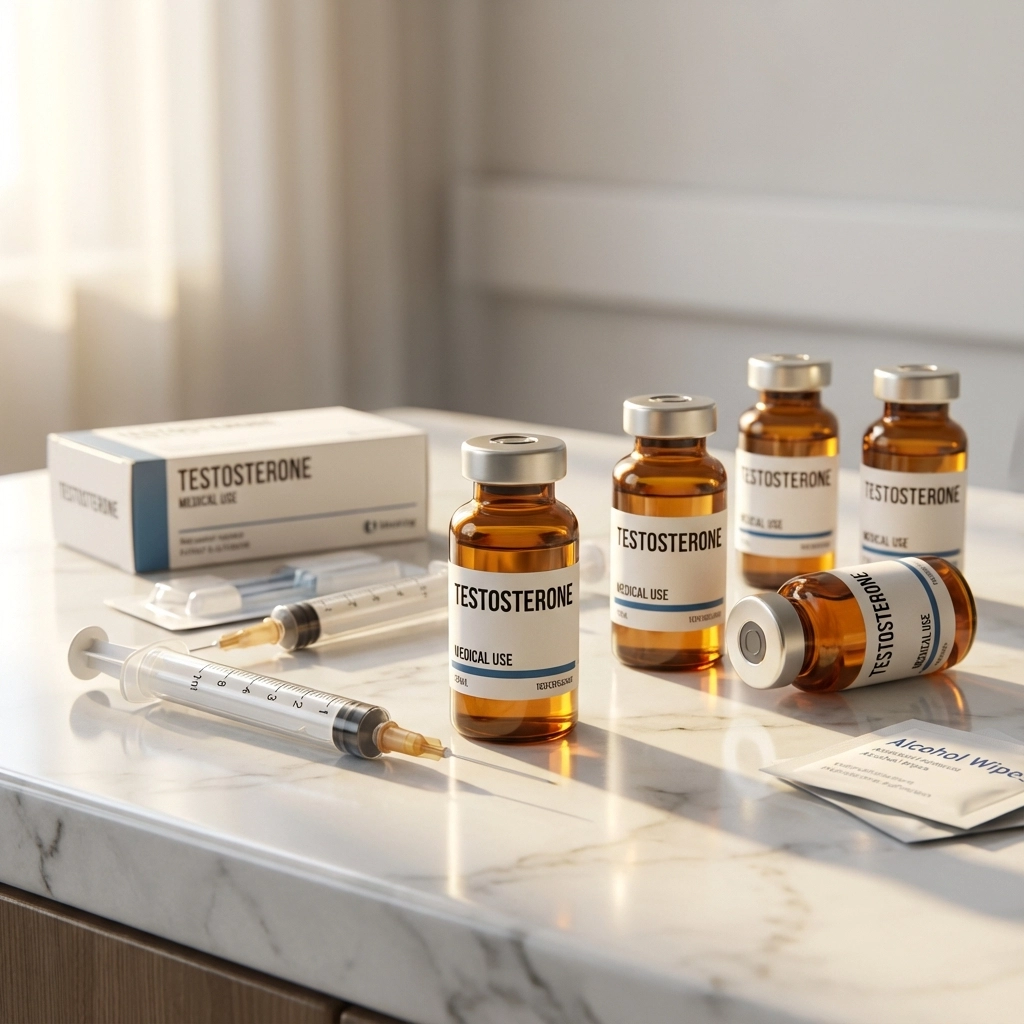
Testosterone Replacement Therapy (TRT) Costs
If you’re dealing with low testosterone, TRT is likely the most common treatment recommendation. Here’s what you’re looking at monthly:
Injection Therapy:
- Self-administered injections: $40-100/month
- In-clinic injections: $100-200/month
- Follow-up labs and monitoring: $50-150 every 3-6 months
Testosterone Cream/Gel:
- Monthly medication costs: $200-600
- Higher absorption rates but more expensive
- Daily application required
Testosterone Pellets:
- Per insertion: $500-1,000
- Lasts approximately 3-4 months
- Requires in-office procedure every quarter
Most men find injection therapy offers the best balance of effectiveness and affordability. The key is working with a clinic that monitors your progress closely, cheaper isn’t always better if you’re not getting proper medical oversight.
Erectile Dysfunction Treatment Pricing
ED treatments vary widely in cost depending on the approach you choose:
Oral Medications:
- Generic ED pills: $2-10 per dose
- Brand-name medications: $15-50 per dose
- Monthly prescriptions: $60-400 depending on frequency
Injection Therapy:
- Per injection: $30-50
- Training and supplies: $100-200 initial setup
- Highly effective but requires comfort with self-injection
Advanced Treatments:
- Shockwave therapy: $300-500 per session (typically 6-12 sessions)
- PRP therapy: $500-1,200 per treatment
- Penile implants: $8,000-15,000 (surgical option)
The reality is that most men start with oral medications and progress to other options if needed. Working with experienced men’s health doctors ensures you don’t waste money on treatments that aren’t right for your situation.
Hair Restoration Treatment Costs
Hair loss treatments represent some of the higher-cost options in men’s health:
Non-Surgical Options:
- Prescription medications (finasteride, minoxidil): $50-150/month
- PRP treatments: $500-800 per session
- Low-level laser therapy: $200-400/month
Advanced Procedures:
- Natural hair transplants: $3,000-15,000
- FUE procedures: $5-10 per graft
- Multiple sessions often required
Hair restoration is typically considered cosmetic, so insurance coverage is virtually non-existent. However, financing options are common for larger procedures.

Weight Loss Program Investments
Many men discover that medical weight loss programs address multiple health concerns simultaneously:
Medication-Based Programs:
- Semaglutide (Ozempic/Wegovy): $200-400/month
- Phentermine therapy: $50-150/month
- Regular monitoring and adjustments: $100-200/month
Comprehensive Programs:
- Initial assessment: $200-400
- Monthly coaching and monitoring: $150-300
- Nutritional counseling: $75-150 per session
The interesting thing about weight loss programs is they often improve testosterone levels and erectile function naturally, potentially reducing your need for other treatments.
What Insurance Actually Covers (Spoiler: Not Much)
Here’s the honest truth about insurance coverage for men’s health treatments:
Usually Covered:
- Basic annual physicals
- Diagnostic blood tests (when medically indicated)
- Treatment for underlying medical conditions
- Some FDA-approved medications for specific diagnoses
Rarely Covered:
- Testosterone therapy for “low normal” levels
- ED medications (many insurances limit quantity)
- Hair loss treatments
- Weight loss medications
- Cosmetic procedures
- Concierge-style service models
This is why many men’s health clinics operate on a cash-pay model, it actually simplifies the process and often reduces overall costs by eliminating insurance overhead.

Hidden Costs to Watch Out For
Legitimate men’s health clinics are transparent about pricing, but here are potential surprise costs to discuss upfront:
Ongoing Monitoring:
- Quarterly blood tests: $100-300
- Follow-up appointments: $75-200
- Medication adjustments: $50-150
Additional Supplements:
- Vitamin D, B12, other nutrients: $30-100/month
- Peptide therapies: $200-500/month
- Specialized supplements: $50-200/month
Equipment and Supplies:
- Injection supplies: $20-50/month
- Home testing kits: $50-150
- Medical devices: $100-1,000 depending on treatment
Money-Saving Strategies That Actually Work
You don’t have to break the bank to get quality men’s health care. Here are practical ways to manage costs:
Smart Shopping Approaches:
- Compare package deals vs. individual services
- Ask about payment plans or financing options
- Use HSA/FSA funds for eligible treatments
- Look for clinics offering transparent, all-inclusive pricing
Treatment Optimization:
- Start with the most cost-effective treatments first
- Focus on addressing root causes vs. symptoms
- Combine treatments when medically appropriate
- Regular monitoring prevents costly complications
Long-Term Planning:
- Invest in proper initial assessment to avoid trial-and-error costs
- Work with clinics that adjust treatments based on results
- Consider maintenance vs. intensive treatment phases

Real-World Budget Examples
Here’s what different treatment approaches might cost annually:
Basic TRT Program:
- Monthly injections: $1,200/year
- Quarterly monitoring: $600/year
- Initial consultation: $300
- Annual total: ~$2,100
Comprehensive Men’s Health:
- TRT therapy: $1,500/year
- ED treatment: $1,200/year
- Regular monitoring: $800/year
- Annual total: ~$3,500
Premium Wellness Program:
- Multiple hormone optimization: $2,400/year
- Advanced treatments: $2,000/year
- Comprehensive monitoring: $1,200/year
- Annual total: ~$5,600
Questions to Ask Before You Commit
Protect yourself from surprise costs by asking these specific questions:
- What’s included in your quoted price?
- How often will I need follow-up appointments?
- What additional costs should I budget for?
- Do you offer payment plans or financing?
- How do you handle treatment adjustments?
- What happens if the initial treatment doesn’t work?
Making the Investment Decision
The bottom line is that quality men’s health care is an investment in your overall quality of life. While the costs are real, many men find that addressing issues like low testosterone, erectile dysfunction, and energy problems pays dividends in their relationships, career performance, and general well-being.
The key is working with a clinic that’s transparent about costs, realistic about outcomes, and committed to finding the most cost-effective solutions for your specific situation.
Frequently Asked Questions
Q: Why don’t most insurance plans cover men’s health treatments?
Many treatments are considered elective or cosmetic rather than medically necessary. Insurance typically covers treatment of diagnosed medical conditions but not optimization or enhancement therapies.
Q: Are there financing options available?
Many clinics offer payment plans or work with medical financing companies. Some accept HSA/FSA payments, which can provide tax advantages.
Q: How long before I see results from treatment?
Most men notice improvements within 4-8 weeks of starting treatment, with full benefits typically realized after 3-6 months of consistent therapy.
Q: Can I switch clinics if I’m not satisfied?
Yes, though you’ll likely need new lab work and consultation fees. Many clinics will work with records from other providers to minimize duplicate costs.
The reality is that men’s health treatments require an investment, but understanding the true costs upfront helps you make informed decisions about your health and budget. If you’re ready to explore your options with transparent pricing and no hidden fees, schedule a consultation to discuss what approach makes the most sense for your situation and goals.