

IV therapy has become increasingly popular : but not all IV services are the same.
When delivered in a medically supervised setting, IV therapy can support hydration, recovery, metabolic efficiency, and overall wellness. However, understanding what each formula is designed to do : and who may benefit : is essential.
In this provider-led video, Christopher Patino, APRN explains how IV therapy works, the purpose behind different formulations, and why proper evaluation matters.
🎥 Watch the full explanation:
👉 https://youtu.be/MaquX0d4mAw
How IV Therapy Works: The Science of Bioavailability
IV therapy delivers fluids and nutrients directly into the bloodstream. This bypasses the digestive system, allowing for immediate absorption and utilization by your cells.
Understanding bioavailability helps explain why IV therapy may be beneficial in certain situations. When you take vitamins or supplements orally, they must pass through your digestive tract. This process involves:
- Breakdown by stomach acid
- Absorption through the intestinal wall
- First-pass metabolism through the liver
- Final delivery to systemic circulation
This digestive journey means that only a portion of what you swallow actually reaches your bloodstream. Bioavailability for oral vitamin C, for example, is limited to approximately 70-90% for doses up to 200mg, and decreases significantly with higher doses. B vitamins face similar absorption limitations, particularly in individuals with digestive concerns.
IV administration achieves 100% bioavailability : the entire dose enters circulation immediately and becomes available to your cells. This doesn't mean IV therapy is superior to oral intake in all situations, but it does explain why it may be useful during periods of increased demand, recovery, or when rapid repletion is indicated.
IV therapy is not a replacement for healthy nutrition or lifestyle habits. It is designed to complement them : especially during periods of increased stress, recovery, or metabolic demand.
Common Types of IV Therapy & What They Support
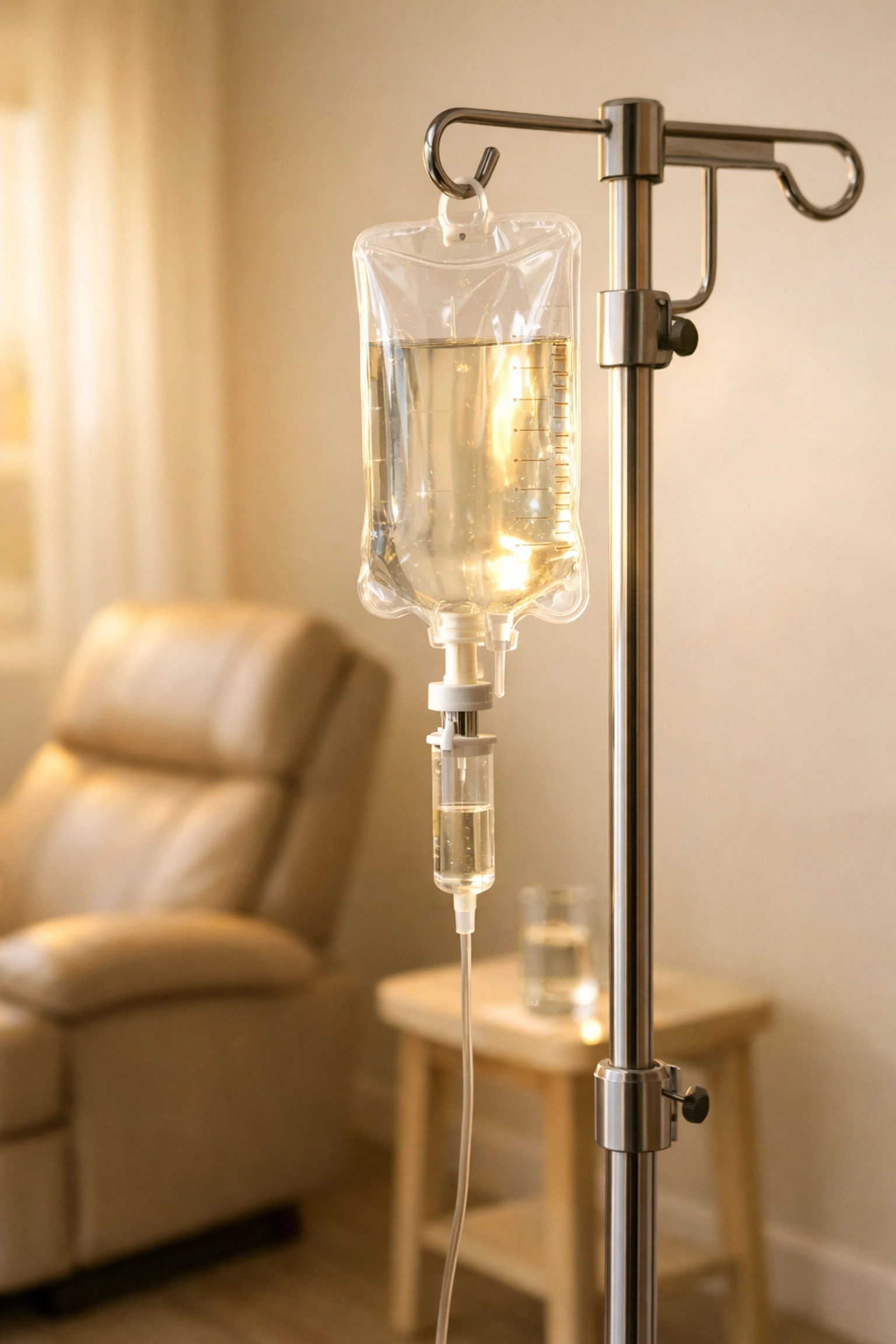
1. Hydration & Recovery IV
What It's Designed to Support:
- Fluid balance
- Electrolyte replenishment
- Recovery from dehydration
- Travel fatigue
Typical Components:
- Normal saline or lactated Ringer's solution
- Electrolytes (sodium, potassium, chloride)
- B-complex vitamins
Who May Be a Candidate:
Individuals experiencing dehydration, frequent travelers, athletes, or those recovering from illness. Many busy professionals in urban areas choose medical-grade hydration support when recovering from demanding schedules.
Frequency:
Often used as needed rather than on a fixed weekly schedule.
2. Immune Support IV
What It's Designed to Support:
- Immune system function
- Recovery during periods of stress
- Seasonal immune challenges
May Include:
- High-dose vitamin C
- Zinc
- B vitamins
- Hydration base
Good Candidates:
Individuals under high stress, frequent travelers, or those seeking immune system support. Frequency is typically situational, not continuous.
3. Energy & Performance IV
What It's Designed to Support:
- Cellular energy production
- Recovery from high-demand schedules
- Mental clarity and focus
May Include:
- B-complex vitamins (especially B12)
- Magnesium
- Amino acids
- Trace minerals
Good Candidates:
Busy professionals, individuals experiencing fatigue, athletes, or high-performance individuals. Often administered periodically depending on need.
4. Metabolic Support IV
What It's Designed to Support:
- Metabolic efficiency
- Nutrient utilization
- Cellular energy pathways
May Include:
- Amino acids
- L-carnitine
- B vitamins
- Magnesium
- Alpha-lipoic acid
Who May Benefit:
Patients engaged in medically supervised weight management or metabolic optimization programs. Understanding that weight loss is metabolic, not about willpower, these formulations support the biological processes that influence body composition.
5. NAD+ Therapy
NAD+ (Nicotinamide Adenine Dinucleotide) is a coenzyme involved in mitochondrial energy production and cellular repair processes.
Potential Areas of Support:
- Cellular energy metabolism
- Cognitive clarity
- Recovery support
- Cellular repair mechanisms
NAD+ therapy is typically administered in structured protocols under medical supervision. Because NAD+ infusions can take longer and may cause temporary sensations during administration, proper monitoring is essential.
6. Beauty / Antioxidant Support IV
Designed to Support:
- Cellular antioxidant activity
- Skin health support
- Collagen-related nutrient delivery
May Include:
- Vitamin C
- Glutathione (a master antioxidant)
- Biotin
These therapies are supportive, not cosmetic replacements. They work best when combined with proper skincare, sun protection, and healthy lifestyle habits.
Why Medical Oversight Matters
Not every patient is a candidate for IV therapy. This is why a medical evaluation is required before beginning any IV protocol.
Before administration, providers evaluate:
- Complete medical history
- Current medications and supplements
- Kidney function
- Cardiovascular status
- Fluid balance conditions
- Allergies and sensitivities
Patients with certain cardiac or renal conditions may not be appropriate candidates. Fluid overload, electrolyte imbalances, or interactions with existing medications are real considerations that require professional assessment.
Responsible IV therapy requires:
✓ Comprehensive screening
✓ Monitoring during administration
✓ Individualized formulation based on your specific needs
✓ Treatment by a licensed medical provider
At VidaVital Medical, IV therapy is always delivered under medical supervision, ensuring safety and appropriateness for each individual patient.
The Role of Lab Testing
Before starting IV therapy, diagnostic lab testing may be recommended to establish baseline levels of key nutrients, electrolytes, and organ function. This isn't about creating unnecessary barriers : it's about precision.
Testing can reveal:
- Current vitamin and mineral status
- Kidney and liver function
- Electrolyte balance
- Underlying deficiencies that need correction
Understanding what your blood work reveals allows providers to customize formulations specific to your body's actual needs, rather than guessing.
IV Therapy Is Supportive : Not a Shortcut
It's important to set realistic expectations. IV therapy can complement:
- Hormone optimization programs
- Metabolic care
- Travel recovery
- High-demand lifestyles
- Athletic training and recovery
- Periods of increased stress
But it should never replace:
- Healthy nutrition
- Quality sleep
- Regular exercise
- Routine medical care
- Stress management
Think of IV therapy as one tool in a comprehensive wellness strategy : not a standalone solution. The most successful outcomes occur when IV support is paired with ongoing medical oversight and lifestyle modification.
What to Expect During Your IV Session
If you're considering IV therapy for the first time, here's what typically happens:
1. Initial Consultation
Your provider reviews your health history, current symptoms, goals, and determines if you're an appropriate candidate.
2. Formulation Selection
Based on your specific needs, a customized or pre-formulated IV is selected.
3. Administration
An IV catheter is placed (typically in your arm), and the infusion begins. Sessions typically last 30-60 minutes, depending on the formulation.
4. Monitoring
You'll be monitored throughout the session. Most patients relax, work on their laptop, or simply rest.
5. Follow-Up
Your provider may recommend follow-up sessions based on your response and ongoing needs.
Final Thoughts
IV therapy can be a helpful tool when used responsibly and tailored to the individual. Understanding what each formula is designed to support : and ensuring proper evaluation : helps you make informed decisions about your health and wellness.
If you are considering IV therapy, the most important question isn't "Which drip should I get?" : it's: "Am I an appropriate candidate?"
The answer to that question begins with a conversation with a qualified provider who understands your complete health picture.
🎥 Watch the full provider explanation:
👉 https://youtu.be/MaquX0d4mAw
📅 Schedule a consultation:
https://vidavitalmedical.com/contact/
About the Author
Christopher Patino, APRN is a medical provider at VidaVital Medical specializing in hormone optimization, metabolic health, preventative care, and medically supervised wellness services.