

Low Testosterone and Weight Gain in Men: The Hormonal Link
If you feel like your body is changing even though your habits have not, low testosterone may be part of the reason. Men often notice the pattern slowly: more belly fat, less muscle tone, lower energy, weaker workouts, and a metabolism that no longer responds the way it used to. Low testosterone weight gain is not about willpower alone. It can reflect a hormonal shift that affects how your body stores fat, maintains muscle, and uses energy.
Ready to stop guessing? Book a comprehensive hormone panel with VidaVital Medical to evaluate testosterone, metabolic markers, and weight-related factors together.
At VidaVital Medical, men are not treated as a single lab number. Our approach combines same-day diagnostics where available, personalized hormone evaluation, and medically guided weight loss support so the root causes of weight gain can be addressed from more than one angle.
Can Low Testosterone Cause Weight Gain?
Yes, low testosterone can contribute to weight gain in men, especially when it reduces lean muscle mass, lowers energy, worsens insulin sensitivity, or shifts fat storage toward the abdomen. It is rarely the only factor, but it can be a major driver when weight gain is paired with fatigue, reduced libido, weaker strength, and slower recovery.
Testosterone helps regulate muscle maintenance, fat distribution, red blood cell production, sexual function, mood, and motivation. When levels decline below a healthy range, men may burn fewer calories at rest because they carry less lean muscle. They may also feel too tired to train consistently, recover more slowly from exercise, and experience cravings or sleep disruption that make fat loss harder.
This creates a frustrating cycle. Weight gain can suppress testosterone further, and lower testosterone can make it easier to gain more fat. Breaking that cycle usually requires more than a diet plan. It requires understanding the hormonal and metabolic picture. Men who also notice changes in sexual performance may benefit from reviewing VidaVital’s men’s sexual health services as part of the same evaluation.
Why Low Testosterone Changes Body Composition

Body composition is the balance between fat mass and lean mass. Many men focus only on the number on the scale, but low testosterone often changes what that weight is made of.
A man can lose muscle, gain fat, and stay near the same weight for a while. Then, as muscle loss continues and activity declines, the scale begins to climb. This is why men with low testosterone often say they look softer, feel weaker, or carry weight differently than they did a few years earlier.
Less Lean Muscle Means a Slower Resting Metabolism
Muscle is metabolically active tissue. The more lean mass you carry, the more energy your body uses throughout the day. Testosterone supports muscle protein synthesis, which helps the body build and maintain muscle when nutrition and resistance training are in place.
When testosterone is low, preserving muscle becomes harder. Workouts may feel less productive. Recovery may take longer. Strength may drop. Over time, reduced lean mass can lower resting energy expenditure, making the same meals and habits more likely to produce weight gain.
More Abdominal Fat Can Worsen Hormone Imbalance
Low testosterone is often associated with increased abdominal fat. This matters because visceral fat is not just stored energy. It is hormonally active tissue that can influence inflammation, insulin resistance, and estrogen conversion.
As abdominal fat increases, some testosterone may convert to estrogen through aromatase activity in fat tissue. That does not mean estrogen is bad. Men need healthy estrogen levels too. But when the balance shifts, symptoms can worsen and fat loss can become more difficult.
Lower Energy Reduces Daily Movement
Weight gain does not only come from structured exercise. It also comes from what happens between workouts: walking, standing, errands, housework, posture, and general movement. Low testosterone can reduce motivation and energy, which lowers this everyday activity.
Men may not notice the change at first. They skip a workout here, sit more after work, sleep poorly, and stop pushing intensity in the gym. The calorie difference can add up over months.
Signs Weight Gain May Be Connected to Low Testosterone
Weight gain alone does not prove low testosterone. Many factors can affect body weight, including sleep, nutrition, medications, stress, thyroid function, insulin resistance, alcohol intake, and aging. The pattern matters.
Low testosterone may be worth evaluating when weight gain appears with several of these symptoms:
- More belly fat or waist size despite similar eating habits
- Loss of muscle tone or strength
- Low energy, afternoon crashes, or reduced stamina
- Lower libido or changes in sexual performance
- Reduced motivation, confidence, or mental drive
- Poor workout recovery or frequent soreness
- Sleep disruption or waking unrefreshed
- Brain fog or trouble concentrating
- Mood changes, irritability, or lower resilience to stress
These symptoms overlap with other medical issues, which is why lab testing matters. A proper workup helps separate low testosterone from look-alike causes and shows whether treatment is appropriate. Men comparing broader treatment options can also review VidaVital’s hormone replacement therapy services for additional context.
How Weight Gain Can Lower Testosterone Further
The relationship between testosterone and weight is two-way. Low testosterone can make fat gain easier, and excess body fat can push testosterone lower. That is one reason men often feel stuck once the cycle begins.
Abdominal weight gain is especially important. Higher visceral fat is linked with metabolic dysfunction, inflammation, and changes in hormone signaling. Poor sleep can add another layer. Men who gain weight are more likely to snore or develop sleep apnea symptoms, and poor sleep can reduce testosterone production.
Insulin resistance can also play a role. When the body struggles to manage blood sugar and insulin effectively, fat loss becomes harder and energy becomes less stable. Some men respond by eating more frequently, craving quick carbohydrates, or avoiding exercise because they feel depleted.
That is why VidaVital does not look at testosterone in isolation. A meaningful plan should review hormones, weight history, metabolic markers, lifestyle patterns, and symptoms together.
What Labs Should Men Check?
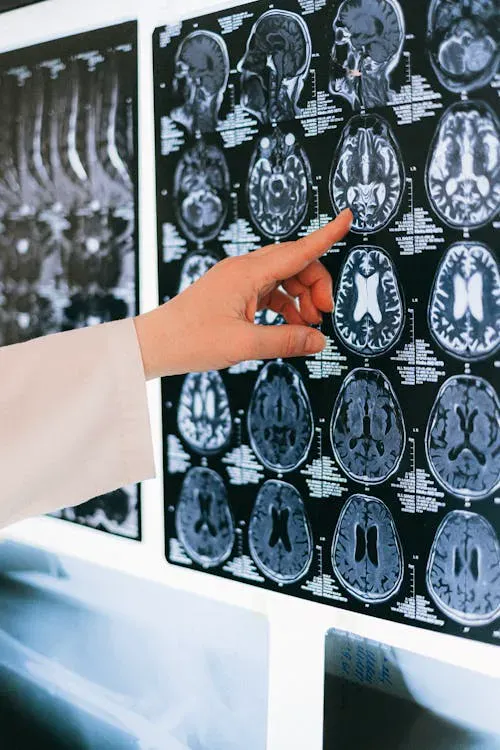
A comprehensive evaluation is the safest way to determine whether low testosterone is contributing to weight gain. A single number rarely tells the whole story.
Depending on the patient, a provider may evaluate:
- Total testosterone
- Free testosterone
- Sex hormone binding globulin, often called SHBG
- Estradiol when clinically appropriate
- Complete blood count and hematocrit
- Metabolic markers such as fasting glucose, insulin, or A1C
- Lipid markers
- Thyroid markers when symptoms suggest it
- Liver and kidney function
- Other hormones or nutrients based on medical history
Timing also matters. Testosterone is often highest earlier in the day, and results should be interpreted alongside symptoms, age, health history, medications, sleep, and body composition.
VidaVital Medical emphasizes diagnostics before treatment. Same-day diagnostics at eligible locations can help men move from uncertainty to a clear plan faster, rather than waiting weeks while symptoms continue to interfere with daily life.
Does TRT Help With Weight Loss?
Testosterone replacement therapy may support fat loss in men who have clinically low testosterone, but it should not be treated as a standalone weight loss shortcut. TRT works best when it is part of a medically supervised plan that also addresses nutrition, resistance training, metabolic health, sleep, and follow-up labs.
For the right candidate, testosterone therapy may help improve the conditions that make weight loss possible. Men may have more energy to train, better muscle maintenance, improved recovery, and stronger motivation to follow a plan. Over time, better lean mass can support a healthier metabolism.
The key phrase is for the right candidate. Men should not start TRT simply because they want to lose weight. They should start with testing, a symptom review, and a medical discussion about benefits, risks, fertility goals, and monitoring.
If weight gain came with fatigue, low libido, and loss of strength, learn what medically supervised TRT involves before deciding whether treatment fits your situation.
Why TRT and Medical Weight Loss Often Work Better Together
Low testosterone and weight gain often reinforce each other, so treating only one side can leave men frustrated. A diet-only approach may not address low energy, muscle loss, or hormonal imbalance. A hormone-only approach may not address insulin resistance, nutrition, activity, or body fat.
VidaVital’s model is designed to evaluate both sides at the same time. Men can receive a hormone workup and a medical weight loss assessment so the plan is coordinated instead of fragmented.
TRT Supports the Muscle and Energy Side
When low testosterone is confirmed and TRT is appropriate, treatment may support lean mass, strength, libido, mood, and energy. Those changes can make it easier to train consistently and maintain the behaviors that drive long-term body composition change.
Monitoring remains essential. Testosterone therapy should include follow-up labs, symptom tracking, dose review, and safety checks such as hematocrit monitoring. Good care is not a prescription and a goodbye.
Medical Weight Loss Supports the Metabolic Side
A medically guided weight loss program can address appetite, insulin resistance, nutrition structure, medication options when appropriate, and accountability. For some men, GLP-1 based therapies or other medical tools may be considered as part of a broader plan.
When weight loss is medically supervised, the goal is not simply to make the scale move. The goal is to reduce fat mass while protecting muscle, energy, and long-term metabolic health. Some patients may also want to read VidaVital’s GLP-1 weight loss guide to understand how medication-supported plans can fit into a broader metabolic strategy.
Diagnostics Bring the Two Together
The advantage of combining hormone and weight loss care is clarity. If fatigue is coming from low testosterone, poor sleep, insulin resistance, thyroid dysfunction, or a combination of factors, testing helps reveal it. If a man is losing weight but also losing muscle, the plan can be adjusted.
This is where same-day diagnostics can be especially valuable. Faster lab insight means faster treatment decisions, fewer assumptions, and a plan that reflects what is happening in the body now.
What a Comprehensive Plan May Include
A well-designed plan for low testosterone weight gain should be individualized. It may include TRT, but it may also include steps that improve testosterone naturally, support fat loss, or correct other issues that are contributing to symptoms.
Depending on the patient, VidaVital may discuss:
- Comprehensive hormone and metabolic lab testing
- TRT when low testosterone is confirmed and treatment is appropriate
- Medical weight loss options based on health history and goals
- Resistance training guidance to protect lean mass
- Protein and nutrition strategy
- Sleep quality and sleep apnea screening when indicated
- Stress, recovery, and lifestyle factors that influence hormones
- Follow-up labs to monitor progress and safety
This is not about chasing extreme testosterone levels or rapid weight loss. It is about restoring a healthier baseline and building a plan a man can actually sustain.
Want a plan that looks at hormones and metabolism together? Explore VidaVital’s medical weight loss program and ask about comprehensive hormone testing.
Who Should Be Evaluated Before Starting TRT?
Every man should be evaluated before starting testosterone therapy, but some situations call for extra care. A more detailed review is especially important for men who:
- Want to preserve fertility
- Have untreated sleep apnea symptoms
- Have elevated hematocrit or a history of blood count issues
- Have significant cardiovascular risk factors
- Have unexplained urinary symptoms
- Are taking medications that may affect hormones or weight
- Have gained weight rapidly or unexpectedly
TRT can be appropriate for many men, but it should be started with informed consent and medical oversight. Fertility planning is especially important because standard testosterone therapy can suppress sperm production. Men who may want children should discuss this before treatment begins.
VidaVital’s approach is discreet, personalized, and medically grounded. The goal is to understand whether low testosterone is truly present, whether it is contributing to weight gain, and how to treat it safely if it is. Men who want to improve baseline habits before or alongside treatment can start with these natural testosterone support strategies.
How to Prepare for Your Hormone and Weight Loss Consultation
You can make your first visit more productive by bringing a clear picture of your symptoms and goals. Before your appointment, write down:
- When the weight gain started and where you notice it most
- Changes in libido, energy, mood, sleep, or workouts
- Current medications and supplements
- Past lab results if you have them
- Diet and exercise patterns, including what has stopped working
- Fertility goals or family planning concerns
- Any snoring, sleep apnea symptoms, or daytime fatigue
The more complete the picture, the better your provider can connect the dots. Weight gain is often the visible symptom. The underlying drivers may include hormones, metabolism, sleep, stress, medication effects, or several factors at once.
Frequently Asked Questions
Can low testosterone make it hard to lose belly fat?
Yes. Low testosterone can make belly fat harder to lose by reducing lean muscle, lowering energy, affecting insulin sensitivity, and changing fat distribution. Belly fat can also worsen hormone balance, creating a cycle that should be evaluated medically.
Will testosterone therapy make me lose weight automatically?
No. TRT is not an automatic weight loss treatment. In men with confirmed low testosterone, it may support energy, muscle maintenance, and training consistency, but fat loss still depends on a coordinated medical plan, nutrition, movement, sleep, and follow-up.
How do I know if my weight gain is hormonal?
Hormonal weight gain is more likely when weight gain appears with fatigue, low libido, reduced strength, poor recovery, mood changes, or sleep disruption. Lab testing is the only reliable way to confirm whether testosterone or other hormones are contributing.
Can weight loss improve testosterone levels?
In some men, losing excess body fat can support healthier testosterone levels, especially when weight loss improves sleep, insulin sensitivity, and inflammation. The best approach depends on baseline labs and the reasons testosterone is low.
What makes VidaVital’s approach different?
VidaVital Medical evaluates hormones and weight together. Men can receive comprehensive testing, same-day diagnostics where available, TRT evaluation, and medical weight loss support in one coordinated care model instead of piecing together separate programs.
The Bottom Line
Low testosterone weight gain is real for many men, but it is not a reason to panic or jump into treatment without testing. The right first step is a comprehensive evaluation that looks at testosterone, body composition, metabolic health, sleep, symptoms, and goals together.
When low testosterone and weight gain are connected, the best plan often addresses both at the same time. TRT may support energy, muscle, and hormone balance for the right patient. Medical weight loss can address appetite, metabolism, and fat loss. Diagnostics tie those decisions together.
If you are gaining weight, losing strength, and feeling less like yourself, do not settle for guesswork. Schedule a comprehensive hormone panel with VidaVital Medical or call +1 (888) 831-3314 to discuss low testosterone, weight gain, and your next step.
This article is for informational purposes only and does not constitute medical advice. Always consult a qualified healthcare provider before starting or changing any medical treatment.