
You know that nagging shoulder pain that flares up every time you reach overhead? Or how your knees creak like old floorboards when you get out of bed? You're not imagining it: and you're definitely not alone. If you're between 30 and 65, chances are you've noticed your body doesn't bounce back like it used to after workouts, injuries, or even just daily activities.
Here's the thing most people don't realize: your body is still capable of remarkable healing at the cellular level. The problem isn't that you're "getting old": it's that your natural repair mechanisms need better support. That's where peptide therapy comes in, and it's changing how we approach recovery for active adults who refuse to slow down.
What Are Peptides and How Do They Actually Work for Recovery?
Let's get real about what peptides are before we dive into the science-y stuff. Think of peptides as your body's text messages: they're short chains of amino acids that carry specific instructions between cells. When it comes to recovery, these molecular messengers tell your tissues exactly how to repair, rebuild, and get stronger.
But here's what makes peptide therapy different from popping another ibuprofen: instead of just masking symptoms, peptides work at the source. They stimulate your body's natural healing processes in four key ways:
Cellular regeneration gets a major boost: we're talking faster muscle fiber repair and new tissue growth. Blood flow increases dramatically, delivering more oxygen and nutrients exactly where you need them most. Inflammation gets targeted and reduced without the side effects of long-term medication use. And perhaps most importantly, collagen production ramps up, strengthening not just muscles but tendons, ligaments, and joint cartilage.
The growth hormone connection is particularly fascinating. Growth hormone-releasing peptides (GHRPs) don't just dump synthetic hormones into your system: they encourage your body to produce more of its own growth hormone naturally. This triggers a cascade effect that boosts IGF-1 levels, a powerhouse hormone for muscle repair and new growth.
The Science Behind Faster Recovery: What's Actually Happening in Your Body?
Sound familiar? You push yourself during a workout or weekend activity, then spend the next three days moving like you're 90 years old. Traditional recovery approaches focus on rest and anti-inflammatories, but peptides take a completely different approach.
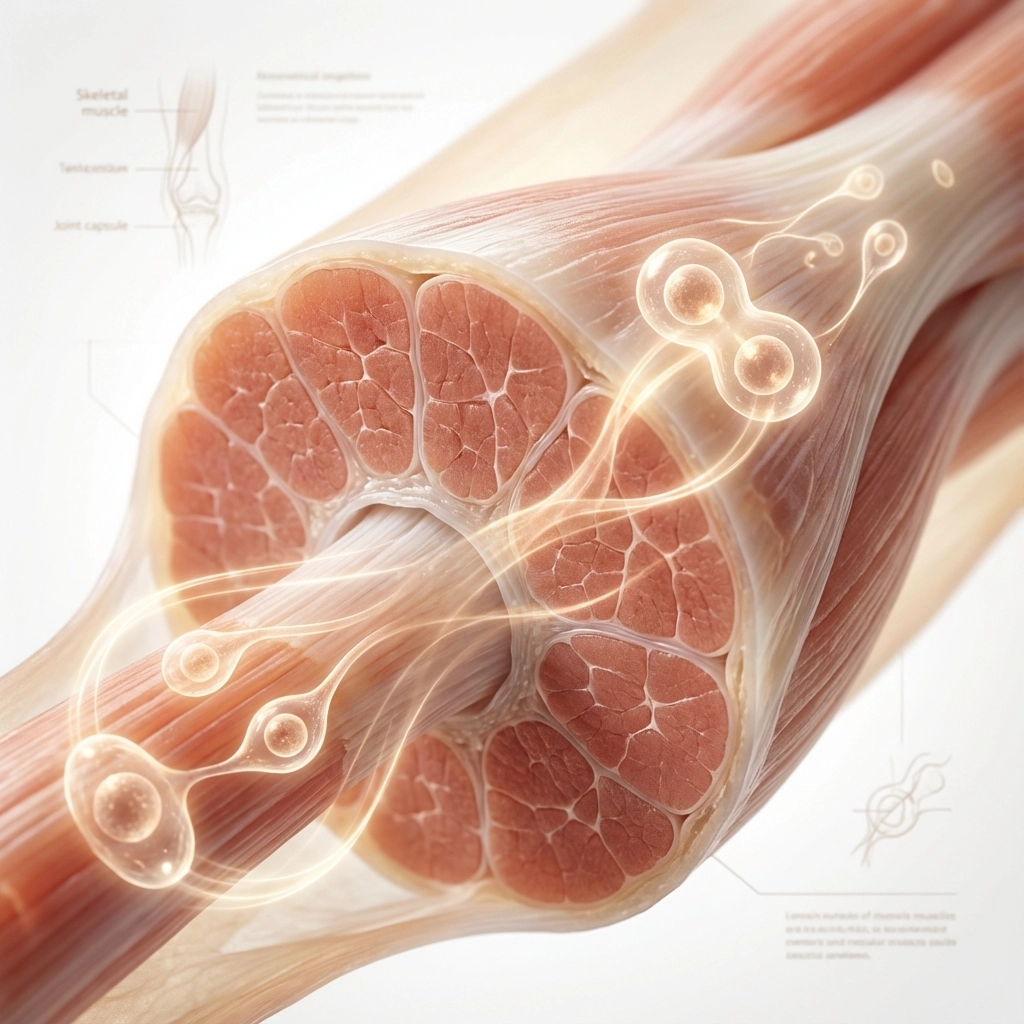
When you use specific recovery peptides, several remarkable processes kick into gear simultaneously. Your body starts forming new blood vessels (angiogenesis) to improve nutrient delivery to damaged tissue. Fibroblast migration accelerates: these are the cells responsible for laying down new collagen and repairing damaged structures. Most importantly, the inflammatory response becomes more targeted and efficient rather than the prolonged, painful inflammation you're used to.
BPC-157, one of the most studied recovery peptides, has shown remarkable results in research. This compound doesn't just reduce inflammation: it actively promotes the formation of new blood vessels and speeds up cellular repair in injured muscle tissue. Users consistently report that injuries that used to sideline them for weeks now resolve in days.
TB-500 takes a different but complementary approach. While we need more human studies (let's be honest about that), the existing research and user reports suggest it significantly reduces inflammation while supporting muscle repair at the cellular level. Athletes using TB-500 consistently report that minor injuries become much less limiting.
Which Peptides Actually Work for Joint and Muscle Recovery?
You've probably heard conflicting information about which peptides are worth your time and money. Let's cut through the noise and focus on the ones with real evidence and consistent results.
BPC-157 (Body Protection Compound) tops the list for good reason. This peptide promotes new blood vessel formation, reduces inflammation that actually impairs healing, and accelerates the migration of repair cells to injured areas. It's particularly effective for muscle, tendon, and ligament issues that just won't seem to heal properly.
Growth Hormone-Releasing Peptides like GHRP-2, GHRP-6, and Sermorelin work by stimulating your body's natural growth hormone production. Unlike synthetic growth hormone, these peptides work with your body's existing systems. Sermorelin, in particular, has solid clinical evidence: studies in adults with growth hormone deficiency show it can effectively boost natural growth hormone levels.
TB-500 deserves mention for its anti-inflammatory properties and muscle repair support. While we're still waiting for more comprehensive human studies, the existing research and consistent user reports make it a valuable option for many people dealing with chronic muscle issues.
The key is understanding that these aren't magic bullets: they're tools that work best when combined with proper nutrition, adequate sleep, and appropriate exercise. Think of them as giving your body's existing repair mechanisms a significant upgrade.

What Results Can You Realistically Expect and When?
Let's be completely honest: anyone promising overnight miracles is either lying or trying to sell you something. Peptide therapy works, but it works within realistic timeframes that align with how your body actually heals.
For inflammation and mobility, you might start noticing improvements within 2-4 weeks. This usually shows up as reduced morning stiffness, less pain during movement, and improved range of motion. Many people report that activities that used to cause significant discomfort become manageable again.
Muscle recovery often shows quicker results. Users frequently report less soreness after workouts, faster reduction in muscle inflammation, and the ability to return to training sooner than usual. The cellular regeneration that helps heal muscle fibers after intense exercise becomes noticeably more efficient.
Joint pain reduction tends to be more gradual but often more lasting. The timeline here is typically several weeks to a few months, but the improvements often compound over time. People with arthritis or chronic joint issues frequently report not just less pain, but improved function and mobility they hadn't experienced in years.
The sweet spot for optimal results is typically around 8-12 weeks of consistent therapy, with regular monitoring and dosage adjustments as needed. This isn't a quick fix: it's a systematic approach to improving your body's natural repair capabilities.
Who Actually Benefits Most from Peptide Recovery Therapy?
Here's what we've learned from working with hundreds of patients: peptide therapy isn't just for elite athletes or bodybuilders. In fact, some of our most dramatic success stories come from everyday people who simply refuse to accept that pain and limited mobility are inevitable parts of aging.
Active adults in their 40s, 50s, and 60s often see the most significant quality-of-life improvements. These are people who want to keep hiking, playing tennis, lifting weights, or just keeping up with their grandkids without constant discomfort.
Weekend warriors benefit tremendously: you know, the people who sit at desks all week then try to cram a week's worth of activity into Saturday and Sunday. Peptide therapy helps bridge that gap between sedentary weekdays and active weekends.
People recovering from injuries often experience faster, more complete healing. Whether it's a sports injury, workplace accident, or just the cumulative wear and tear of daily life, peptides can help tissues repair more efficiently.
Chronic pain sufferers frequently find peptides offer relief where other approaches have failed. This is particularly true for people dealing with arthritis, chronic back pain, or persistent joint issues that haven't responded well to conventional treatments.
The common thread? People who want to maintain active, engaged lifestyles despite the challenges their bodies are presenting. You don't have to be an athlete: you just have to be someone who believes your best years don't have to be behind you.
Is Peptide Therapy Safe? What You Need to Know Before Starting
Your concerns about safety are completely normal and valid. Any time you're considering a therapy that's newer or less familiar, questions about risks and side effects are not only reasonable: they're smart.
The good news is that peptides generally have an excellent safety profile, especially compared to long-term use of anti-inflammatory medications or more invasive treatments. Because peptides work with your body's existing systems rather than overriding them, serious side effects are rare.
That said, let's be realistic about potential issues. Some people experience mild injection site reactions, temporary water retention, or minor changes in appetite. These effects are usually short-lived and resolve as your body adjusts to the therapy.
The key to safe peptide therapy is working with qualified practitioners who understand proper dosing, monitoring, and adjustment protocols. This isn't something you want to experiment with on your own or source from questionable suppliers.
At VidaVital Medical, we take a comprehensive approach that includes thorough initial evaluation, careful monitoring throughout treatment, and regular adjustments based on your response and goals. Learn more about our approach to peptide therapy.
Your Next Steps: Getting Started with Peptide Recovery Therapy
If you're tired of accepting pain and slow recovery as inevitable, it might be time to explore what peptide therapy can do for you. The process doesn't have to be overwhelming or complicated.
Start with a comprehensive evaluation that looks at your current health status, recovery challenges, and specific goals. This isn't a one-size-fits-all approach: your therapy should be tailored to your unique situation and needs.
Expect ongoing monitoring and adjustments. Effective peptide therapy involves regular check-ins to assess progress, adjust dosages, and optimize results. This collaborative approach ensures you're getting maximum benefit while maintaining safety.
Plan for 8-12 weeks to see optimal results, though many people notice improvements much sooner. Remember, you're working with your body's natural healing processes, which take time but create lasting improvements.
The reality is this: your body is still capable of remarkable healing and recovery, regardless of your age or current challenges. Peptide therapy simply gives your natural repair mechanisms the support they need to work at their best.
You deserve to wake up without pain, to stay active in the ways that matter to you, and to approach each day with confidence in your body's capabilities. That's not too much to ask: and it's exactly what peptide therapy is designed to help you achieve.
Ready to explore how peptide therapy might help you reclaim your active lifestyle? Contact VidaVital Medical to schedule your comprehensive evaluation and take the first step toward better recovery, reduced pain, and renewed vitality.