

You know that feeling when you wake up and your knees creak like old floorboards? Or when reaching for something on a high shelf sends a sharp reminder through your shoulder that you're not 25 anymore? You're not imagining things: and you're definitely not alone.
If you're over 40 and dealing with joint stiffness, lingering aches from old sports injuries, or that general sense that your body just doesn't bounce back like it used to, you've probably heard whispers about peptide therapy. Maybe it came up at your gym, or a friend mentioned it after their latest doctor's visit. But what exactly is it, and could it actually help you get back to feeling more like yourself?
Let's get real about peptide therapy for joint health: what it is, how it works, and whether it might be the missing piece in your wellness puzzle.
What Exactly Is Peptide Therapy?
Here's the thing: your body has been producing peptides naturally your entire life. These are short chains of amino acids that act like tiny messengers, telling your cells how to repair, regenerate, and function optimally. Think of them as your body's internal repair crew.
But here's what most people don't realize: as we age, our natural peptide production starts to decline. That's partly why that weekend warrior injury from your thirties is still bothering you, or why your joints feel stiffer in the morning than they used to.
Peptide therapy involves introducing specific, lab-created peptides back into your system through targeted injections. For joint pain and mobility issues, we're essentially giving your body's repair mechanisms a much-needed boost. It's not about masking symptoms with painkillers: it's about addressing the underlying tissue damage and inflammation that's causing your discomfort.
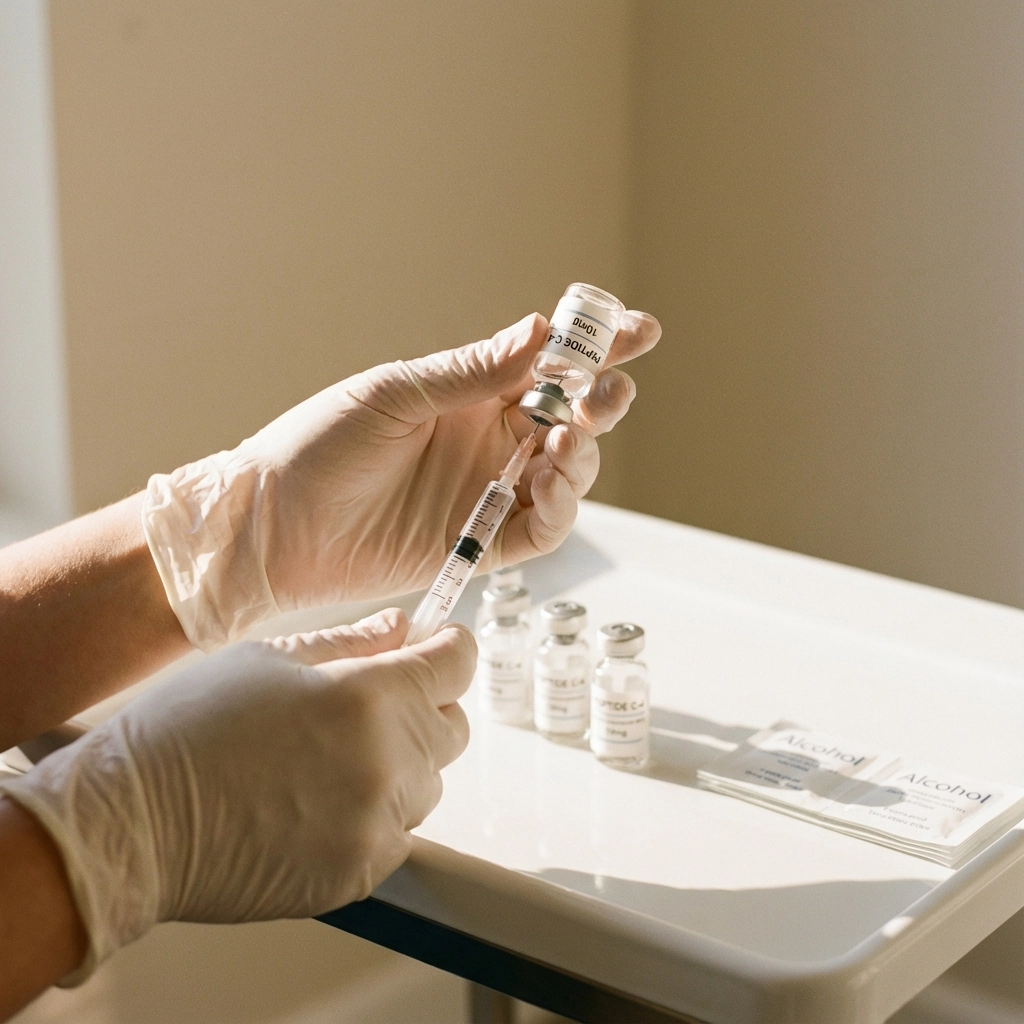
How Peptide Therapy Actually Works for Joint Pain
When it comes to joint health, two peptides have emerged as the stars of the show: BPC-157 and TB-500. These aren't just random combinations of letters and numbers: they're powerful healing compounds that work at the cellular level.
Here's how they help your joints:
Blood Vessel Formation: Both peptides stimulate angiogenesis, which is just a fancy way of saying they help create new blood vessels. More blood flow means better nutrient delivery and waste removal from damaged tissues. Your joints literally get better "food" and a more efficient cleanup crew.
Inflammation Control: Instead of simply blocking pain signals, these peptides reduce inflammatory pathways at their source. This means less swelling, less stiffness, and more comfortable movement.
Collagen Production: Your joints depend on healthy collagen for structure and flexibility. These peptides encourage your body to produce fresh, high-quality collagen: think of it as renovating your joint infrastructure from the inside out.
Accelerated Repair: Perhaps most importantly, peptides speed up your body's natural healing processes. That nagging shoulder issue or cranky knee gets the attention and resources it needs to actually repair itself.
The beautiful thing about this approach is that it works alongside your existing treatments. Physical therapy, chiropractic care, and other wellness strategies actually become more effective when your body's repair mechanisms are firing on all cylinders.
What to Expect: Your Timeline for Relief
Let's be honest: you want to know when you'll start feeling better. While everyone's healing journey is unique, here's what most people experience:
Weeks 2-4: The Early Wins
You'll likely notice that morning stiffness isn't quite as brutal. Getting out of bed becomes less of a production, and daily movements start feeling smoother. Many people report that activities they'd been avoiding: like taking the stairs or playing with their kids: suddenly seem more manageable.
Weeks 5-8: Real Progress
This is when the magic really happens. That persistent ache in your lower back might start to fade, or you'll realize you haven't been unconsciously favoring your "good" knee. Range of motion typically improves significantly during this phase, and many patients find themselves returning to activities they thought were off-limits.
Weeks 8-12: Peak Benefits
Maximum effectiveness usually emerges around the three-month mark. This is when people often report feeling like they've "turned back the clock" on their joint health. The improvements tend to be substantial and lasting, with many patients maintaining their gains for months to years afterward.

The Evidence: What Science Actually Says
Now, let's talk reality checks. Peptide therapy for joint health shows tremendous promise, but it's important to understand where we stand scientifically.
The research on peptide injections for joint pain is still emerging. One small but encouraging study found that 7 out of 12 people with chronic knee pain experienced relief lasting over six months after a single BPC-157 injection. Another study reported that 87.5% of knee patients saw significant improvement that lasted 6 months to a year.
But here's the honest truth: we don't yet have the large-scale, randomized controlled trials that would make peptide therapy a slam-dunk recommendation. The evidence is promising but still limited compared to more established treatments.
For perspective, Platelet-Rich Plasma (PRP) therapy: another regenerative approach: has much more robust clinical evidence. Multiple meta-analyses have confirmed PRP's effectiveness for knee osteoarthritis and tendinopathy, with proven superiority over both placebo and corticosteroid injections.
Does this mean peptide therapy isn't worth considering? Not at all. It means we're in the exciting early stages of what could be a game-changing treatment, and the preliminary results are encouraging enough that many forward-thinking physicians are already incorporating it into their practice.
How Does It Stack Up Against Other Treatments?
You've probably tried the usual suspects for joint pain: NSAIDs, physical therapy, maybe even steroid injections. Here's how peptide therapy compares:
Versus Pain Medications: Traditional painkillers mask symptoms but don't address the underlying problem. Peptides actually work to repair damaged tissue while reducing inflammation naturally. Plus, you avoid the long-term side effects and dependency concerns that come with chronic pain medication use.
Versus Steroid Injections: Cortisone shots can provide quick relief, but they may actually weaken tendons and cartilage over time. Peptides do the opposite: they strengthen and rebuild these structures while providing pain relief.
Versus PRP Therapy: Both are regenerative approaches, but they work differently. PRP uses your own blood platelets to stimulate healing, while peptides provide specific cellular signals for repair. Many practitioners are finding that combining these approaches yields even better results.
Alongside Physical Therapy: This is where peptide therapy really shines. When your body's repair mechanisms are optimized, physical therapy becomes more effective. You heal faster between sessions and can progress more quickly through your rehabilitation.

Getting Started: What You Need to Know
If you're considering peptide therapy, here are the practical details that matter:
Treatment Approach: Most protocols involve regular injections over a period of weeks or months. The exact schedule depends on your specific condition and goals, but many people start seeing benefits within the first few weeks.
Cost Considerations: Peptide therapy is typically more expensive than traditional treatments upfront, but many patients find the long-lasting results make it cost-effective over time. Insurance coverage varies, so it's worth checking with your provider.
Combination Strategies: The most successful outcomes often come from combining peptide therapy with other treatments. Physical therapy, proper nutrition, and stress management all support your body's healing processes.
Ongoing Maintenance: While some people achieve long-lasting results from an initial treatment series, others benefit from periodic maintenance sessions to keep their joints feeling their best.
Is Peptide Therapy Right for You?
Sound familiar: that frustration of trying treatment after treatment without getting the lasting relief you're looking for? These concerns are completely normal and valid.
Peptide therapy might be worth exploring if:
- You're dealing with chronic joint pain that hasn't responded well to conventional treatments
- You want to address the root cause of your joint issues, not just mask symptoms
- You're looking for a treatment that works with your body's natural healing processes
- You're committed to a comprehensive approach to joint health
You're not alone in feeling skeptical about new treatments, especially after disappointing experiences with other approaches. The key is finding a knowledgeable provider who can help you understand whether peptide therapy aligns with your specific situation and health goals.
Frequently Asked Questions
How long do the effects of peptide therapy last?
Most patients experience benefits for months to years after completing their initial treatment series. Some opt for periodic maintenance treatments to sustain their results.
Are there any side effects?
Peptide therapy is generally well-tolerated, with mild injection site reactions being the most common side effect. Serious adverse effects are rare when treatment is properly supervised.
Can I combine peptide therapy with other treatments?
Absolutely. In fact, peptide therapy often works best as part of a comprehensive treatment plan that includes physical therapy, proper nutrition, and other wellness strategies.
How do I know if I'm a good candidate?
The best candidates are typically adults over 40 with joint pain or mobility issues who haven't achieved satisfactory results with conventional treatments. A thorough evaluation with a qualified provider can help determine if peptide therapy is right for your situation.

Your joint health doesn't have to be something you just accept as "part of getting older." If you're tired of limiting your activities or dealing with persistent discomfort, peptide therapy might offer the relief and recovery you've been seeking.
At VidaVital Medical, we understand that every person's healing journey is unique. Our team takes the time to understand your specific concerns, health history, and goals to develop a personalized approach that makes sense for your life.
Your best years don't have to be behind you. Sometimes, it just takes the right approach to help your body remember how to heal itself.