

You know that feeling when you wake up and your knees are talking back to you before your feet even hit the floor? Or when you're climbing stairs and your joints are sending you not-so-subtle reminders that you're not 25 anymore?
You're not alone, and more importantly, you're not stuck with this as your "new normal."
If you've been hearing whispers about peptide therapy in your gym, at your doctor's office, or from that friend who seems to have found the fountain of youth, there's good reason. Peptide therapy isn't just another wellness trend: it's a science-backed approach that's helping thousands of people reclaim their mobility and wave goodbye to chronic joint pain.
But here's the thing: most people don't really understand what peptides are or how they work. Let's change that.
What Are Peptides and Why Should You Care?
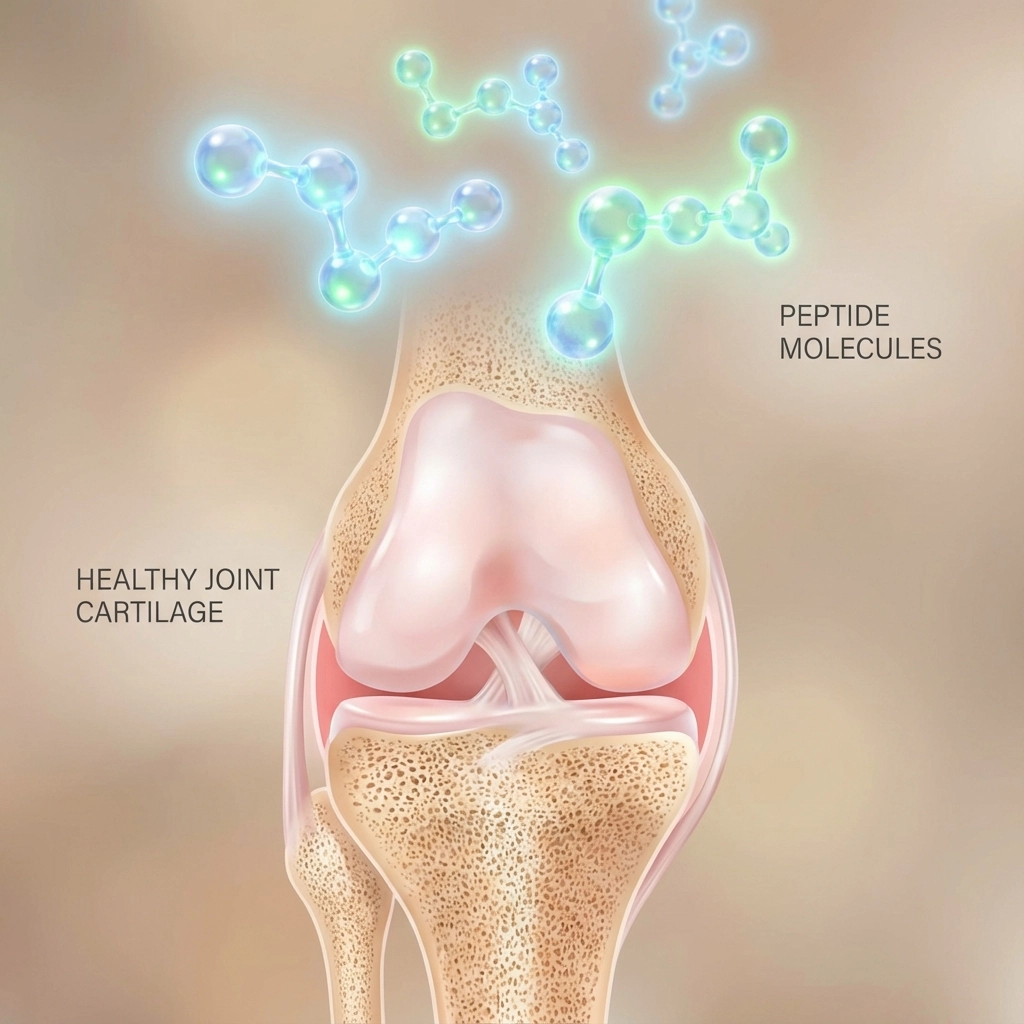
Think of peptides as your body's text messages. They're short chains of amino acids that send specific instructions to your cells, telling them exactly what to do and when to do it. When it comes to joint pain and recovery, certain peptides act like skilled contractors, showing up at the injury site with a detailed blueprint for repair.
Unlike traditional pain medications that simply mask symptoms, peptides work at the cellular level to actually fix what's broken. They're not just covering up the problem: they're solving it from the ground up.
The Two Powerhouse Peptides Changing Everything
When we talk about peptides for joint health, two names consistently rise to the top: BPC-157 and TB-500. These aren't just fancy acronyms: they're game-changers.
BPC-157: The Joint Specialist
BPC-157 is like having a master craftsman dedicated solely to your tendons, ligaments, and joints. This peptide has an almost obsessive focus on connective tissue repair. Here's what makes it special:
- Accelerates tendon-to-bone healing (crucial for those nagging sports injuries)
- Protects against further ligament damage while you're recovering
- Reduces inflammation without suppressing your immune system
- Promotes the growth of new blood vessels to feed healing tissue
One study at the Institute for Hormonal Balance found that 87.5% of patients who received BPC-157 injections directly into their knee joints experienced significant improvement. We're talking about people who were assessed 6 months to a year after treatment: these weren't temporary fixes.
TB-500: The Circulation Champion
TB-500 takes a different but complementary approach. While BPC-157 is focused on structural repair, TB-500 is all about creating the perfect environment for healing:
- Enhances muscle fiber regeneration and strength recovery
- Dramatically improves blood flow to areas that typically receive limited circulation
- Promotes overall wound healing and tissue regeneration
- Supports your body's natural anti-inflammatory processes
The Conditions That Respond Best
Let's get real about who benefits most from peptide therapy. If any of these sound familiar, you're likely a good candidate:
Chronic Joint Pain and Arthritis
Whether you're dealing with osteoarthritis from years of wear and tear or the inflammatory assault of rheumatoid arthritis, peptides address both the structural damage and the inflammatory cascade that keeps you hurting.
Sports and Exercise Injuries
From weekend warriors to competitive athletes, anyone dealing with tendon strains, ligament injuries, or muscle tears can benefit. Peptides don't just help you heal faster: they help you heal stronger.
Post-Surgical Recovery
If you've had orthopedic surgery and want to optimize your healing, peptides can be a powerful addition to your recovery protocol.
That Nagging "I'm Getting Older" Pain
You know what we mean: those aches and pains that seem to appear overnight and decide to stick around. The kind that makes you grunt when you stand up or avoid certain activities altogether.
What to Actually Expect: A Real Timeline
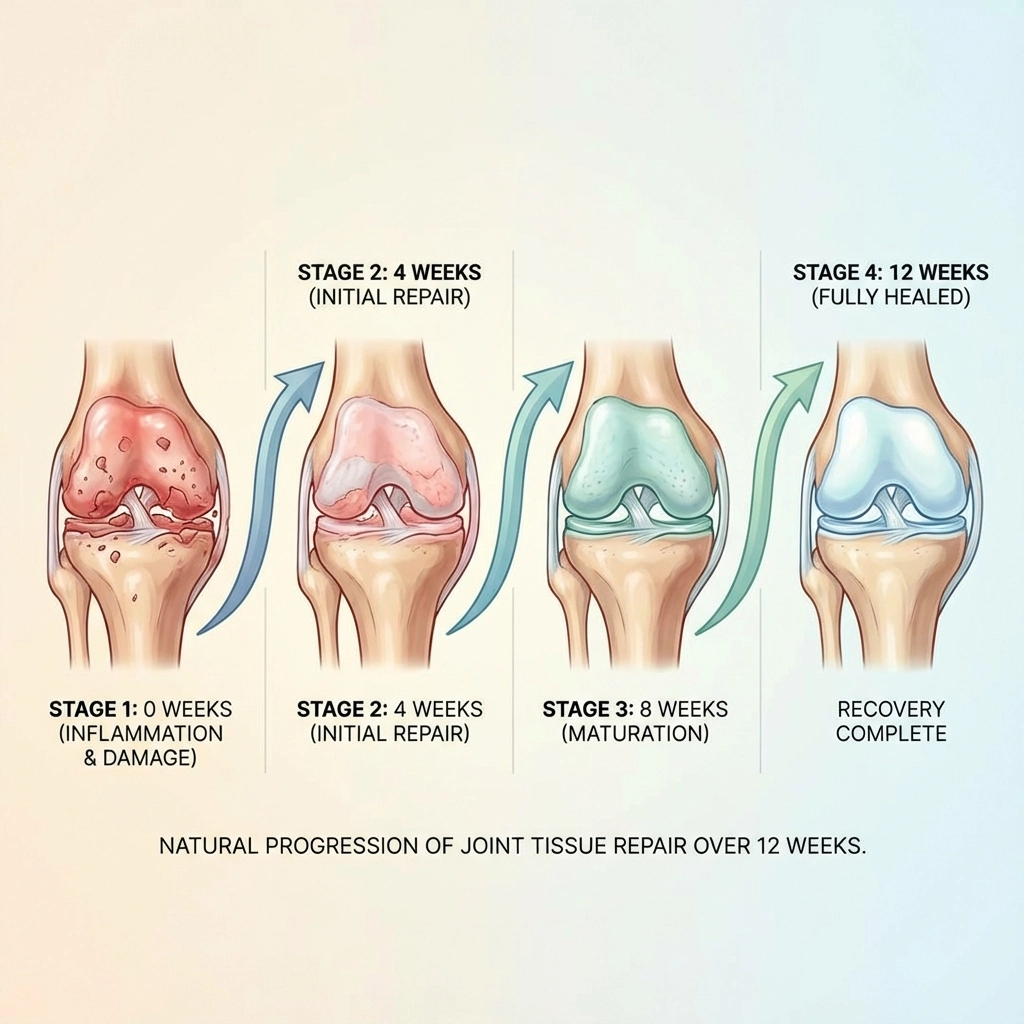
Here's where we need to set realistic expectations. Peptide therapy isn't magic: it's strategic cellular repair. Here's what most people experience:
Weeks 1-2: The Foundation Phase
Don't expect fireworks yet. Your body is receiving the peptides and beginning to mobilize repair processes. Some people notice slight improvements in sleep quality or energy levels.
Weeks 3-4: Early Changes
This is where things get interesting. Most people start noticing reduced morning stiffness, less pain with movement, and improved mobility. That daily discomfort that's been your constant companion might start backing off.
Weeks 5-8: The Sweet Spot
Significant improvements in pain levels, increased range of motion, and better functional movement. Many patients report being able to return to activities they'd given up.
Weeks 8-12: Optimization
Maximum benefits typically emerge during this period. The combination of reduced inflammation, improved tissue quality, and enhanced healing reaches its peak effectiveness.
Busting Common Misconceptions
Let's address the elephant in the room. When people hear "peptide therapy," several myths immediately surface:
"It's Just Another Expensive Placebo"
The research says otherwise. Multiple studies have demonstrated peptides' superiority over both placebo and traditional corticosteroid injections for long-term tissue healing. This isn't wishful thinking: it's measurable cellular repair.
"It's Not Safe Because It's New"
Actually, peptides have been studied for decades. BPC-157 and TB-500 have extensive safety profiles when properly administered. Side effects are rare and typically limited to mild injection site reactions.
"I Need to Be an Athlete to Benefit"
Absolutely not. Whether you're a competitive athlete or someone who just wants to garden without pain, peptides work by supporting your body's natural healing processes: something everyone can benefit from.

The VidaVital Approach: Making Complex Simple
At VidaVital Medical, we understand that the world of peptide therapy can feel overwhelming. That's why our approach focuses on making this cutting-edge treatment accessible and straightforward.
We start with a comprehensive assessment to understand your specific pain patterns, medical history, and goals. No cookie-cutter approaches here: your treatment plan is designed specifically for you.
Our team guides you through the entire process, from initial consultation to treatment monitoring. We believe in transparency about what to expect, realistic timelines, and ongoing support throughout your healing journey.
Learn more about how peptides can help you reclaim your mobility with our comprehensive peptide therapy programs.
Frequently Asked Questions
Q: How are peptides administered?
A: Most commonly through subcutaneous injections, similar to insulin injections for diabetics. Some peptides can also be administered directly into joints or injury sites for targeted treatment.
Q: Will my insurance cover peptide therapy?
A: Currently, most insurance plans don't cover peptide therapy as it's considered regenerative medicine. However, many patients find the investment worthwhile given the long-term benefits and potential to avoid more invasive procedures.
Q: Can I combine peptide therapy with other treatments?
A: Absolutely. Peptides work well alongside physical therapy, chiropractic care, and other non-invasive treatments. In fact, combining approaches often leads to better outcomes.
Q: How long do the benefits last?
A: This varies by individual, but many patients experience sustained improvements for months to years after completing treatment. Some choose periodic maintenance treatments to optimize long-term joint health.
Q: Are there any age restrictions?
A: Peptide therapy is generally appropriate for adults of all ages, though it's particularly beneficial for those over 40 when natural healing processes begin to slow down.
Is Peptide Therapy Right for You?
The honest answer? If you're tired of managing pain instead of addressing it, if you want to get back to activities you love, or if you're looking for a science-backed approach to healing that works with your body rather than against it, peptide therapy deserves serious consideration.
The decision to pursue peptide therapy is personal, but it doesn't have to be overwhelming. The key is working with practitioners who understand both the science and the human side of healing: professionals who can guide you through the process with expertise and compassion.
Your joints have carried you through countless adventures, workouts, and daily challenges. They deserve more than just being managed: they deserve to be restored.
At VidaVital Medical, we're committed to helping you rediscover what it feels like to move freely again. Because life's too short to let joint pain call the shots.
Ready to explore how peptide therapy might fit into your wellness journey? Contact us today to schedule a consultation and take the first step toward reclaiming your mobility.