
You're not imagining it, those morning knee creaks aren't just "getting older." That shoulder stiffness after your weekend tennis match isn't something you have to live with forever. And that hip pain that's making you think twice about your evening walks? There's hope beyond just "taking it easy."
Here's the thing: more active adults over 40 are discovering peptide therapy as a game-changing approach to joint pain relief. But let's be honest, you've probably got questions. Sound familiar?
What Exactly Are Peptides and How Do They Help Joint Pain?
Quick Answer: Peptides are naturally occurring protein fragments that work at the cellular level to reduce inflammation, stimulate healing, and support tissue repair, targeting the root causes of joint pain rather than just masking symptoms.
Think of peptides as your body's internal repair crew. While over-the-counter pain relievers are like putting a band-aid on the problem, peptides actually get to work rebuilding and restoring damaged joint tissues.
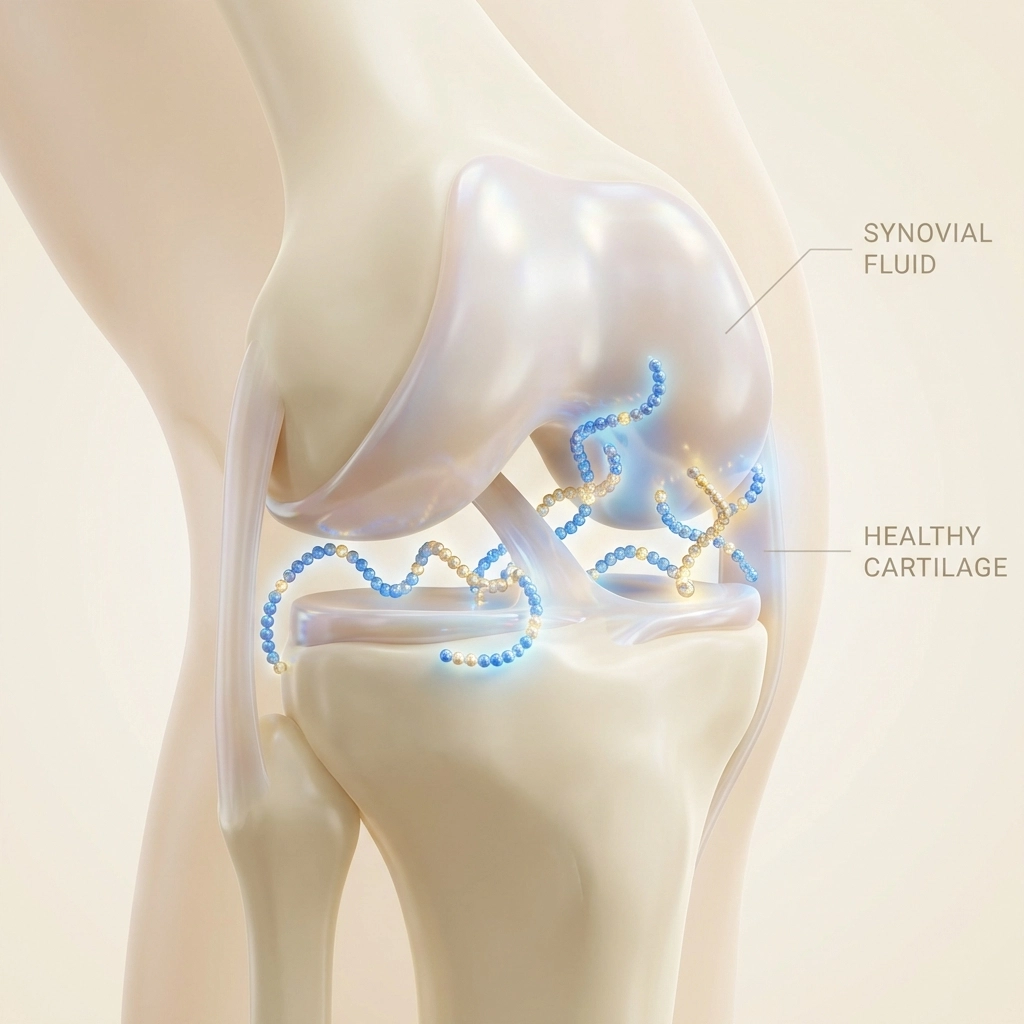
Here's what's happening inside your joints when peptides go to work:
- Inflammation reduction through targeted pathways that calm angry, swollen tissues
- Collagen production boost to rebuild cartilage and strengthen joint structures
- Accelerated healing in tendons, ligaments, and surrounding muscles
- Enhanced circulation delivering oxygen and nutrients exactly where you need them most
The beauty of this approach? You're working with your body's natural healing processes, not against them.
Which Peptides Work Best for Joint Pain Relief?
Quick Answer: BPC-157 and TB-500 are the most researched peptides for musculoskeletal conditions, with BPC-157 showing particularly promising results for knee pain relief.
Let's get specific about what the research shows. In one small but notable study, BPC-157 helped 92% of patients (11 out of 12) experience significant pain relief from knee osteoarthritis. Now, we'll be transparent, this was a small study, and we need larger trials to fully validate these results. But for the people who experienced that relief? Life-changing doesn't begin to describe it.
BPC-157 (Body Protection Compound) works like your joints' personal bodyguard, protecting tissues from further damage while actively promoting repair. Patients often report feeling more stable and confident in their movements.
TB-500 (Thymosin Beta-4) acts more like a construction foreman, coordinating the rebuilding process and helping different tissues communicate better during healing.
Here's what makes these peptides special: they're naturally occurring in your body already. We're just giving your system the extra support it needs to heal effectively.
How Long Before I Notice Joint Pain Relief?
Quick Answer: Most people begin noticing inflammation relief and improved mobility within 2-4 weeks, with optimal results typically seen around 8-12 weeks of consistent treatment.
Let's set realistic expectations here. This isn't a magic overnight cure, but it's also not a "wait-and-see-in-six-months" situation either.
Here's the typical timeline our patients experience:
Weeks 1-2: You might notice you're moving a bit more freely in the mornings. That initial stiffness starts easing up.
Weeks 2-4: The inflammation begins calming down. Many patients tell us they're sleeping better because they're not waking up from joint discomfort.
Weeks 4-8: This is where things get exciting. Pain levels typically start dropping more noticeably, and you might find yourself doing activities you'd been avoiding.
Weeks 8-12: Optimal outcomes kick in. This is when patients often say things like, "I feel like myself again" or "I forgot what it was like to move without thinking about it."
Remember, everyone's healing journey is unique. Your timeline might be faster or slower depending on factors like your overall health, activity level, and the severity of your joint issues.
Is Peptide Therapy Safe for Active Adults Over 40?
Quick Answer: Peptide therapy is generally well-tolerated with minimal side effects, especially compared to long-term use of NSAIDs or other pain medications that can affect your stomach, kidneys, or liver.
You're right to ask about safety, it shows you're making smart, informed decisions about your health.
Here's what sets peptide therapy apart from traditional pain management approaches:
No organ toxicity concerns like you might have with long-term NSAID use
Minimal side effects since you're using compounds your body already produces naturally
No drug interactions with most medications
Safe for long-term use without the tolerance issues common with pain medications

That said, we always recommend working with experienced healthcare providers who understand peptide therapy. At VidaVital Medical, our team carefully evaluates each patient's medical history and current health status before creating a personalized treatment plan.
What's the Difference Between Peptide Therapy and Other Joint Treatments?
Quick Answer: Unlike cortisone shots that provide temporary relief or NSAIDs that mask pain, peptide therapy actually promotes healing and tissue regeneration for longer-lasting results.
Let's be real about your options:
Cortisone shots can provide quick relief but often wear off in a few months, and repeated injections can actually weaken tissues over time.
NSAIDs (like ibuprofen) reduce inflammation but can cause stomach, kidney, and cardiovascular issues with long-term use. Plus, they don't actually heal anything.
Physical therapy is fantastic and we strongly recommend it alongside peptide therapy, but sometimes your tissues need extra healing support to make the most of PT exercises.
Surgery is sometimes necessary, but wouldn't you rather avoid it if possible?
Peptide therapy works differently. Instead of just managing symptoms, it's actively helping your body repair damaged tissues. Think of it as upgrading your body's natural healing software.
Can I Continue My Workout Routine During Peptide Therapy?
Quick Answer: Yes, staying active is actually beneficial during peptide therapy, though you may need to modify intensity initially and focus on movement that supports healing rather than aggravating existing issues.
Here's something that might surprise you: movement actually helps peptides work more effectively. When you exercise, you increase blood flow to treated areas, helping peptides reach their target tissues more efficiently.
But let's be smart about this:
Week 1-2: Listen to your body. If something hurts, modify rather than push through. This is healing time, not hero time.
Week 3-6: You'll likely start feeling more confident in your movements. This is a great time to gradually increase activity levels.
Week 6+: Most patients feel ready to return to their full workout routines, often with less pain than they've experienced in years.
The key is working with practitioners who understand both peptide therapy and sports medicine. We often coordinate with physical therapists to create comprehensive recovery plans.
How Do I Get Started with Peptide Therapy at VidaVital Medical?
Quick Answer: Start with a comprehensive consultation where we evaluate your specific joint issues, medical history, and goals to create a personalized peptide therapy plan.
Here's exactly what you can expect:
Step 1: Initial Consultation (usually 45-60 minutes)
We'll discuss your pain patterns, activity goals, and medical history. No rushing, no pressure: just a thorough understanding of what you're dealing with.
Step 2: Physical Evaluation
Our providers will assess your joint mobility, inflammation levels, and overall musculoskeletal health to determine the best peptide protocol for your needs.
Step 3: Personalized Treatment Plan
Based on your specific situation, we'll recommend the most appropriate peptides, dosing schedule, and complementary treatments.
Step 4: Regular Monitoring
We track your progress closely, adjusting your protocol as needed to ensure optimal results.
Step 5: Lifestyle Integration
We help you understand how nutrition, exercise, and other lifestyle factors can support your peptide therapy results.
The best part? You're not navigating this alone. Our team stays in close contact throughout your treatment, answering questions and adjusting your plan as you heal.

What Should I Know About the Science Behind Peptide Therapy?
Quick Answer: While peptide therapy shows promising results in clinical applications, it's important to understand that research is still evolving, with most evidence coming from smaller studies and extensive clinical experience rather than large-scale trials.
Let's get real about the research landscape. The peptide therapy field is advancing rapidly, but we want you to have the full picture.
Current evidence shows:
- Significant pain relief in clinical case studies
- Excellent safety profiles in ongoing patient care
- Promising mechanisms for tissue repair and inflammation reduction
- Growing body of research supporting effectiveness
What we're still learning:
- Large-scale randomized controlled trials are still in development
- Optimal dosing protocols continue to be refined
- Individual response variations are being better understood
This doesn't mean peptide therapy isn't effective: thousands of patients are experiencing real relief. It means we're being honest about where the science stands today while continuing to advance research and improve treatments.
For context, many established medical treatments were used successfully for years before large-scale trials confirmed their effectiveness. We're seeing similar patterns with peptide therapy, backed by solid biological mechanisms and extensive clinical experience.
Is Peptide Therapy Right for My Specific Joint Issues?
Quick Answer: Peptide therapy can be effective for various joint conditions including osteoarthritis, tendinopathy, and chronic joint inflammation, but the best way to know is through a personalized consultation with experienced practitioners.
Every joint issue is unique, and your treatment should be too. Here's how we typically see peptide therapy helping different conditions:
Knee osteoarthritis: Patients often experience reduced morning stiffness and improved ability to climb stairs or walk longer distances.
Shoulder impingement: Many see better range of motion and less pain when reaching overhead or behind their back.
Hip pain: Improved walking comfort and reduced stiffness when getting up from sitting.
Tennis/golfer's elbow: Faster healing and return to activities with less risk of re-injury.
General joint stiffness: Overall improved mobility and comfort during daily activities.
The key is working with providers who understand both the capabilities and limitations of peptide therapy, so you get realistic expectations and optimal results.
Your joints have served you well for decades. Now it's time to give them the support they need to serve you well for decades more. You deserve to move freely, confidently, and without pain: and peptide therapy might be exactly the solution you've been looking for.
Ready to explore whether peptide therapy is right for your joint pain? Contact VidaVital Medical today to schedule your comprehensive consultation and take the first step toward moving freely at any age.