

You've probably noticed it happening gradually, maybe it was the first time you caught your reflection in harsh department store lighting, or when you realized your favorite foundation suddenly seemed to settle into lines that weren't there last year. Sound familiar? You're definitely not alone in wondering if there's something more effective than the endless parade of creams and serums promising miracles but delivering… well, not much.
Here's the thing: while the skincare industry has been caught up in trendy ingredients that come and go, peptide therapy has been quietly revolutionizing how we approach skin aging at the cellular level. And in 2025, we're seeing results that go way beyond surface-level improvements.
Let's get real about what peptides can actually do for your skin, and more importantly, whether they're worth your time and money.
How Does Peptide Therapy Work for Skin?
Think of peptides as tiny messengers that speak directly to your skin cells in a language they understand perfectly. These short chains of amino acids don't just sit on your skin's surface looking pretty, they actually penetrate deep into the dermis and get to work at the cellular level.
Here's what most people don't realize: your skin is constantly receiving signals about what to produce and when. As we age, those signals get weaker, and your skin starts producing less collagen and elastin (the proteins that keep everything firm and bouncy). Peptides essentially turn up the volume on those signals, telling your skin cells, "Hey, remember how to make collagen? Let's get back to work."
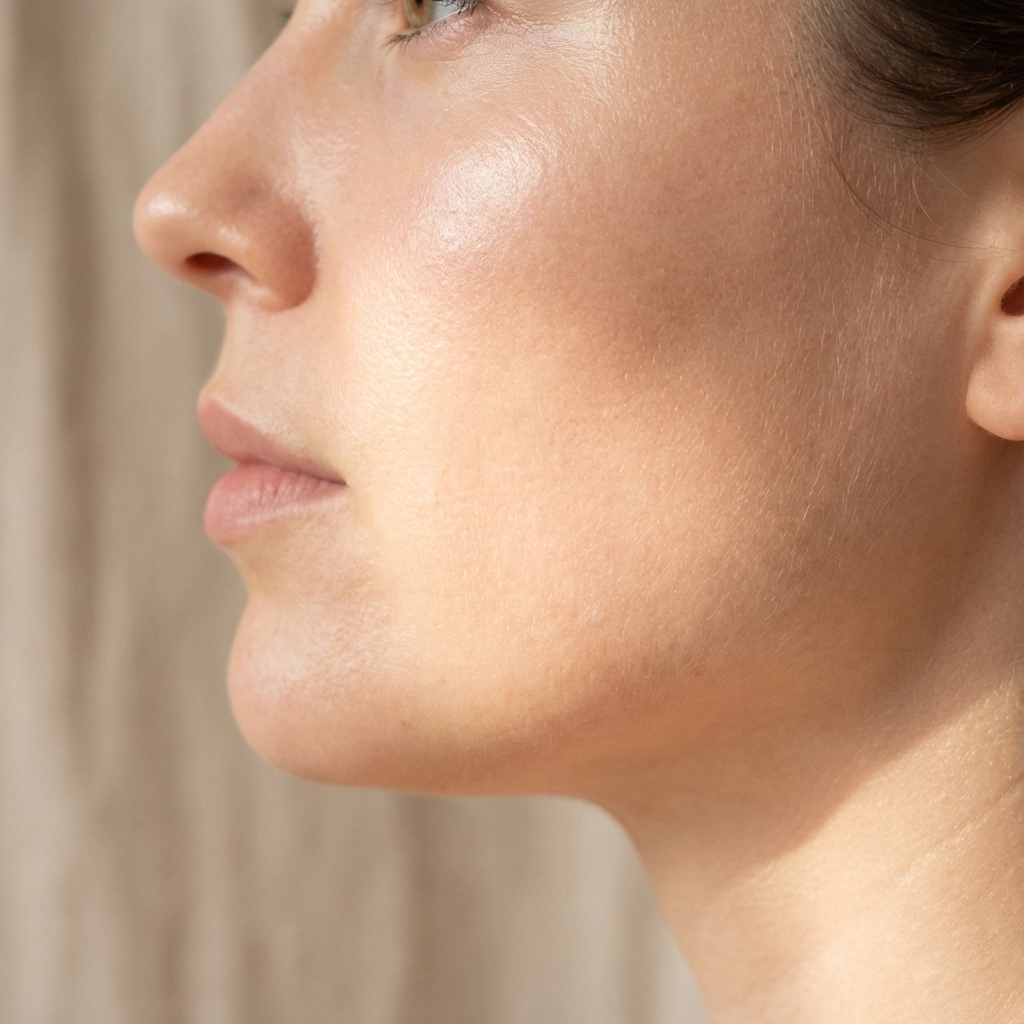
The beautiful part is that peptides work with your body's natural processes rather than forcing artificial changes. When you apply peptides consistently, you're essentially giving your skin the tools and instructions it needs to repair and rebuild itself from the inside out.
But here's where it gets interesting, different types of peptides work through completely different mechanisms, which means you can target specific concerns with surgical precision.
Best Peptides for Rejuvenation (with science)
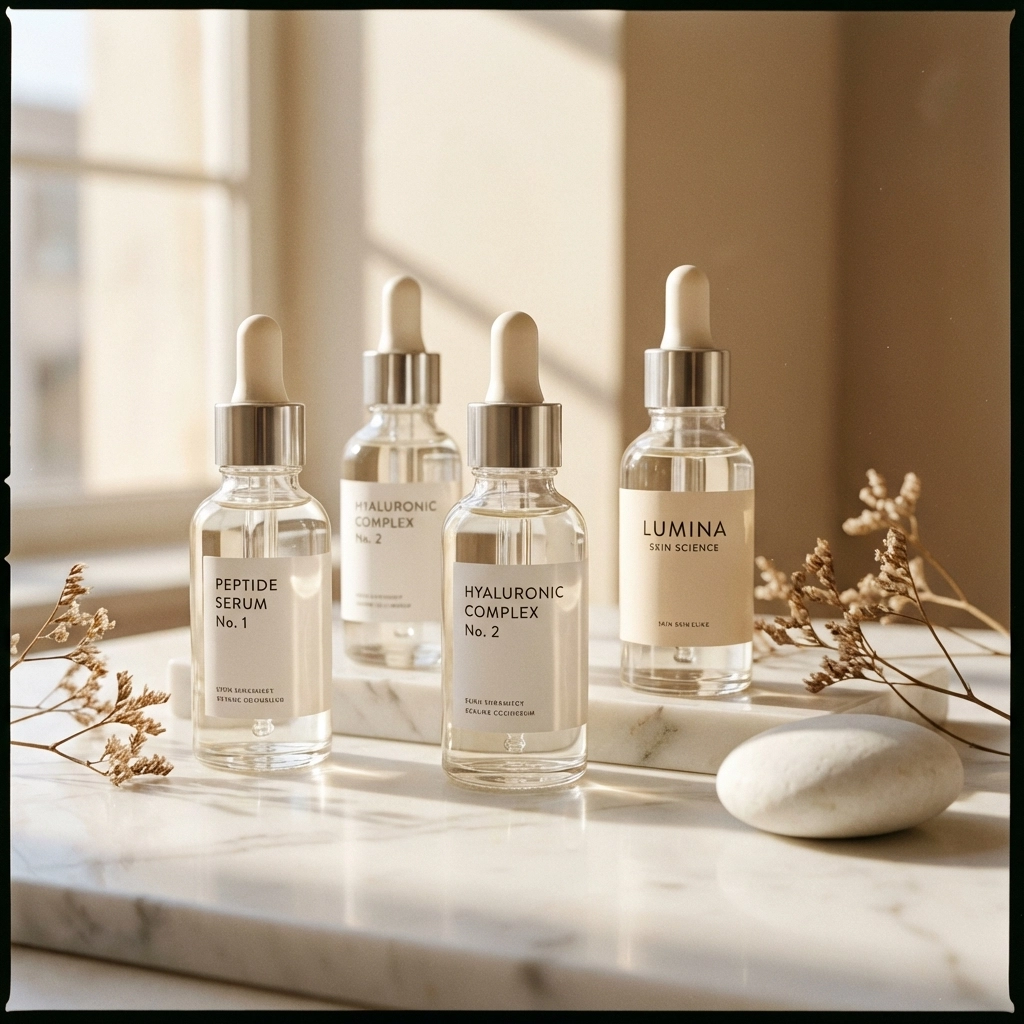
Not all peptides are created equal, and understanding the differences can save you from wasting money on products that won't address your specific concerns. Let's break down the heavy hitters:
Copper Peptides (GHK-Cu): The Repair Specialists
These are probably the most well-researched peptides for skin health, and for good reason. Copper peptides don't just boost collagen production, they also accelerate wound healing and reduce inflammation. In clinical studies, women using copper peptide eye cream for just three months saw significant improvements in skin density, thickness, and reduction in fine lines compared to both placebo and vitamin K treatments.
Carrier Peptides: The Delivery System
Think of these as the postal service of your skincare routine. They grab onto essential minerals and nutrients and deliver them exactly where your skin needs them most. They're particularly effective for addressing uneven skin tone and improving overall skin texture.
Enzyme-Blocking Peptides: The Protectors
While other peptides focus on building new collagen, these work to protect what you already have. They block the enzymes that naturally break down collagen as part of the aging process, essentially putting the brakes on skin aging while other treatments work to reverse existing damage.
Neurotransmitter Peptides: The Muscle Relaxers
These peptides work similarly to Botox but much more gently. They help relax the facial muscles that create expression lines, particularly around the eyes and forehead. You're not going to get Botox-level results, but they can definitely soften dynamic wrinkles over time.
Results: What to Expect (Realistic Timeline)
Let's be honest, anyone promising overnight transformations is probably trying to sell you something. Peptide therapy works, but it works on your skin's natural timeline for cellular renewal, which means patience is required.
Weeks 1-2: The Foundation Phase
You'll notice improved hydration almost immediately. Your skin will feel softer, and any redness or irritation will start calming down. This isn't just superficial, peptides are already getting to work at the cellular level, even though you can't see dramatic changes yet.
Weeks 3-4: Early Improvements
Fine lines around your eyes and mouth will start looking less pronounced. Your skin texture will begin smoothing out, and you might notice a subtle improvement in overall radiance. This is when people often start commenting that you look "rested."
Weeks 6-8: The Good Stuff Begins
This is typically when the real magic happens. Deeper wrinkles start softening, your skin feels noticeably firmer, and age spots or sun damage begins fading. The improvement in skin texture becomes obvious, both to you and others.
3+ Months: Long-Term Benefits
With consistent use, you'll see continued improvement as collagen accumulation reaches meaningful levels. Many people report that their skin looks years younger, and the improvements tend to be stable as long as you maintain the routine.
The key word here is "consistent." Peptides work best when they're part of your daily routine without interruption, skipping days or using them sporadically will significantly slow your results.
Who's a Good Candidate?
The beauty of peptide therapy is that it's beneficial for virtually everyone, regardless of age, gender, or skin type. But you're an especially good candidate if you're dealing with:
Visible Signs of Aging
If you're noticing wrinkles, loss of firmness, or that "deflated" look that happens as collagen production slows down, peptides can help restore your skin's natural bounce and fullness.
Sun Damage and Uneven Skin Tone
Years of sun exposure leave their mark, but peptides (particularly copper peptides) excel at repairing photodamage and evening out skin tone. They work by reducing inflammation and stimulating the healing processes that fade dark spots and improve overall complexion.
Sensitive Skin
If your skin doesn't tolerate retinoids or other aggressive anti-aging treatments, peptides offer a gentler alternative that's unlikely to cause irritation while still delivering real results.
Prevention-Focused Individuals
You don't need to wait until problems appear. Starting peptide therapy in your 30s or early 40s can help delay the onset of visible aging signs and maintain your skin's natural vitality longer.
Tips to Maximize Results with Peptides
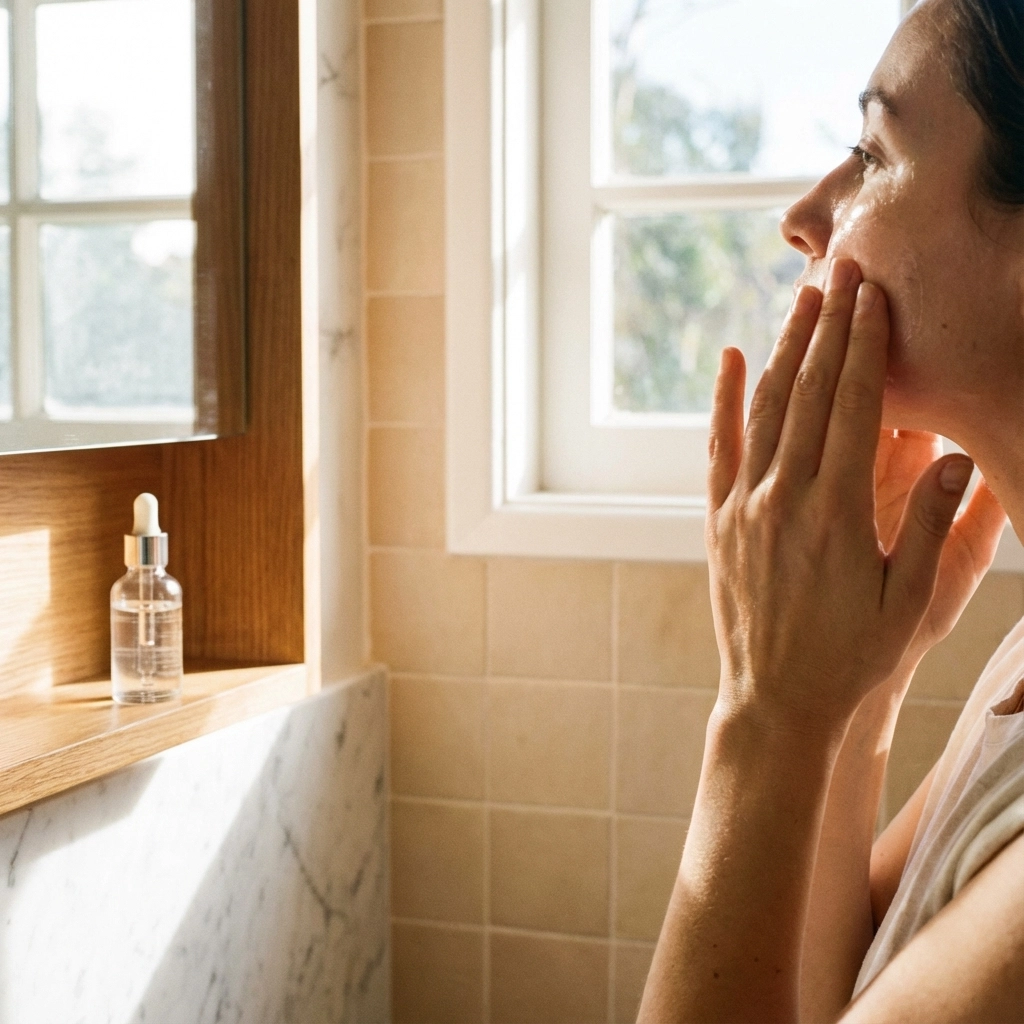
Getting the most from peptide therapy isn't just about buying the right products, it's about using them strategically and creating an environment where they can work most effectively.
Layer in the Right Order
Apply peptides on clean skin before heavier creams or oils. The general rule is thinnest to thickest consistency, so peptide serums typically go on after cleansing and toning but before moisturizer.
Don't Mix with Certain Ingredients
Vitamin C and peptides can interfere with each other when used at the same time. Use vitamin C in the morning and peptides at night, or alternate days. AHAs and BHAs can also reduce peptide effectiveness, so space these out appropriately.
Consistency Trumps Intensity
Daily use with a moderate concentration will give you better results than sporadic use of high-concentration products. Think marathon, not sprint.
Protect Your Investment
Always use sunscreen during the day when using peptides. They're making your skin more efficient at renewal, which means you need to protect that new, healthy skin from further damage.
Consider Professional Treatments
While topical peptides are excellent, injectable peptide protocols and professional treatments can accelerate and enhance your results. What are peptides and how can they help men and women over 40 offers insights into comprehensive peptide therapy approaches.
FAQ
How long before I see results?
Most people notice initial improvements in skin texture and hydration within 2-3 weeks, with more significant changes in fine lines and firmness appearing around 6-8 weeks. Maximum benefits typically develop after 3-4 months of consistent use.
Can I use peptides with retinoids?
Yes, but timing matters. Use retinoids at night and peptides in the morning, or alternate nights. Both ingredients can be drying, so introduce them gradually and monitor your skin's response.
Are peptides safe for sensitive skin?
Generally yes: peptides are much gentler than most anti-aging actives. However, always patch test new products and introduce them gradually. If you have specific skin conditions, consult with a healthcare provider first.
Do men and women need different peptide formulations?
Not necessarily. While men's skin tends to be thicker and produces more oil, the fundamental aging processes are the same. The key is finding the right concentration and delivery method for your specific skin type and concerns.
Can peptides replace Botox or fillers?
Peptides can't replicate the dramatic, immediate results of injectables, but they can provide subtle, natural-looking improvements that build over time. Many people find peptides help them space out professional treatments or maintain results between appointments.
Your skin has an remarkable ability to repair and regenerate itself: peptides just give it the right instructions and tools to do what it naturally wants to do. Whether you're dealing with early signs of aging or looking to prevent them, peptide therapy offers a science-backed approach that works with your body's natural processes rather than against them.
The key is starting with realistic expectations, maintaining consistency, and giving your skin the time it needs to rebuild from the inside out. Your future self will thank you for the investment.