
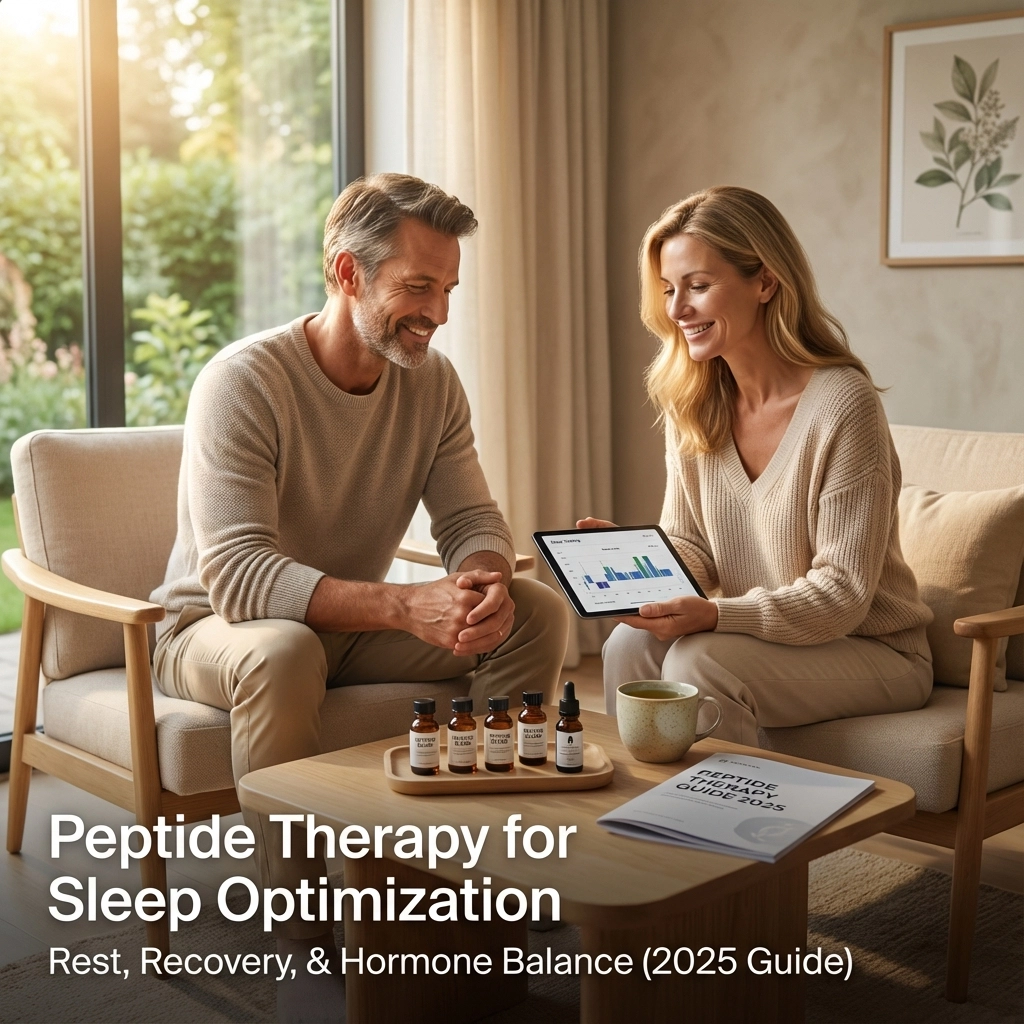
Home > Blog > Peptide Therapy for Sleep Optimization
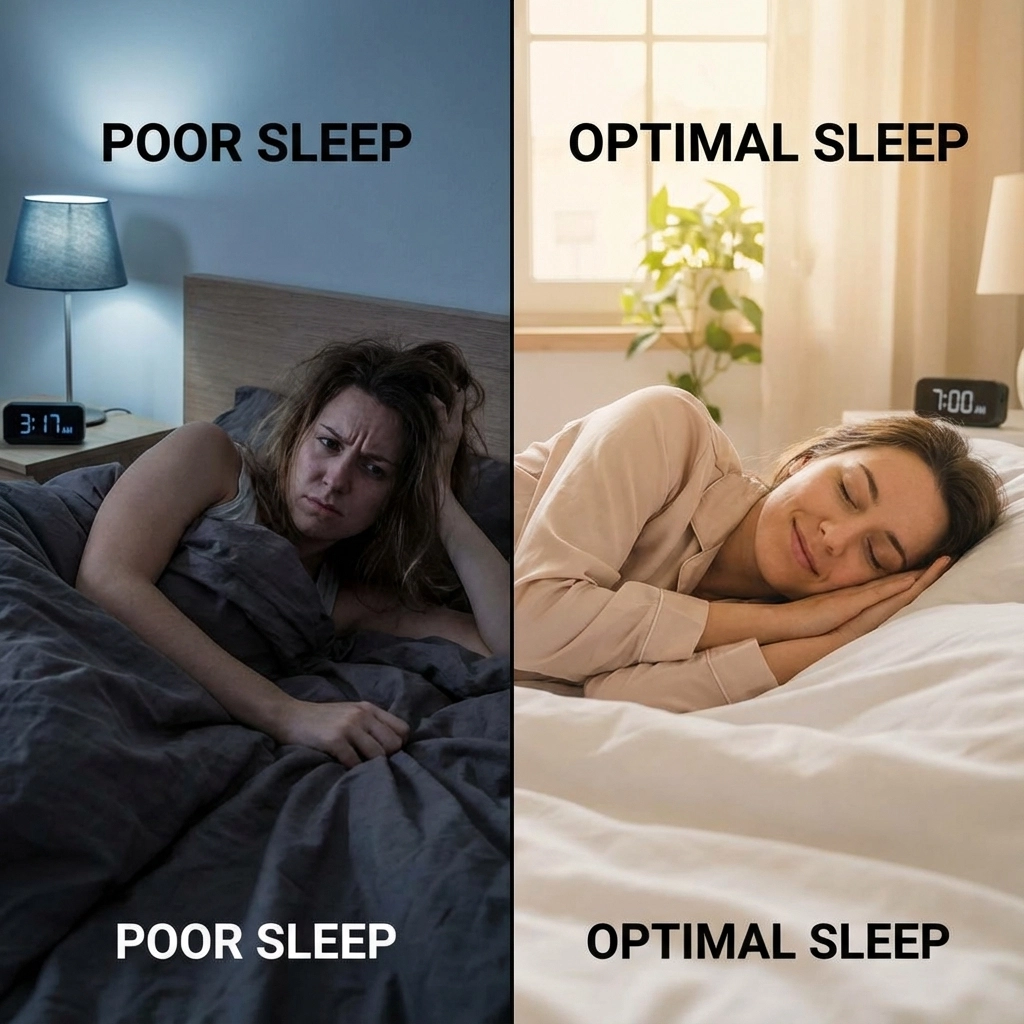
You’ve been lying awake at 3 AM again, haven’t you? Staring at the ceiling, mind racing through tomorrow’s to-do list while your body begs for rest. Sound familiar? You’re not alone, millions of adults between 30-65 are discovering that their once-reliable sleep patterns have completely shifted, leaving them exhausted, irritable, and wondering if this is just “getting older.”
Here’s the thing most people don’t realize: poor sleep isn’t an inevitable part of aging. It’s often a sign that your body’s natural hormone production and sleep-regulating systems need support. And that’s where peptide therapy comes in.
Quick Answer: How Peptides Transform Sleep Quality
Peptide therapy improves sleep by restoring your body’s natural hormone production and sleep mechanisms, not by forcing sedation like traditional sleep aids. Key sleep-optimizing peptides like CJC-1295, Ipamorelin, DSIP, and Sermorelin work by:
- Enhancing deep sleep phases where physical restoration occurs
- Regulating growth hormone release during sleep cycles
- Supporting natural melatonin production and circadian rhythms
- Reducing inflammatory stress that disrupts sleep continuity
- Improving sleep efficiency, better quality rest in less time
Unlike melatonin supplements or prescription sleep medications that can leave you groggy, peptides work with your biology to restore the deep, restorative sleep your body craves. Most patients notice improvements within 1-3 weeks, with optimal results typically achieved within 6-8 weeks.
The Sleep Crisis Nobody’s Talking About
Let’s get real about what’s happening to your sleep. That afternoon crash isn’t always about lunch, and those 2 AM wake-ups aren’t just stress (though stress doesn’t help). After age 30, your body’s production of key sleep-supporting hormones begins declining by 1-3% annually.
Growth hormone, crucial for deep sleep and recovery, drops significantly. Your pineal gland produces less melatonin. Cortisol patterns shift, keeping you wired when you should be winding down. These aren’t character flaws or bad habits; they’re biological changes that require biological solutions.
Here’s what declining sleep quality actually costs you:
- Slower recovery from workouts and daily stress
- Compromised immune function and increased illness
- Mood swings, irritability, and decreased stress resilience
- Weight gain from disrupted hunger hormones
- Accelerated aging and reduced longevity
- Decreased cognitive performance and memory consolidation
You deserve better than accepting “tired” as your new normal.
The Science Behind Sleep-Optimizing Peptides
Growth Hormone Releasing Peptides: The Sleep-Recovery Connection
CJC-1295 and Ipamorelin represent the gold standard for sleep optimization through hormone restoration. Here’s why they’re so effective: growth hormone and sleep maintain an intimate relationship, GH is primarily released during deep sleep phases, and adequate GH is essential for restorative sleep quality.
These peptides stimulate your pituitary gland to release natural growth hormone, creating a positive feedback loop. Better GH production leads to deeper sleep, which supports more natural GH release. Patients typically experience:
- Falling into deep sleep 30-50% faster
- Staying in restorative sleep stages longer
- Waking genuinely refreshed (not groggy)
- Improved recovery from physical and mental stress
- Enhanced dream recall indicating healthy REM cycles
DSIP: The Deep Sleep Specialist
Delta Sleep-Inducing Peptide directly targets your brain’s sleep centers, specifically promoting the delta wave sleep phase, the deepest, most restorative stage where your body conducts critical repair and restoration work. Unlike sedatives that suppress brain activity, DSIP enhances your natural capacity for deep sleep.
Sermorelin: Building Sleep Architecture
This growth hormone-releasing hormone (GHRH) analog works by optimizing your natural sleep architecture. Most patients notice initial improvements within the first week, though consistent changes typically develop over 3-6 weeks as hormone pathways stabilize.
Real Patient Outcomes: What Optimal Sleep Actually Feels Like
Sarah, a 45-year-old marketing executive, described her transformation after 8 weeks of peptide therapy: “I didn’t realize how exhausted I’d become until I wasn’t anymore. Now I wake up before my alarm feeling actually rested. My husband says I don’t toss and turn all night, and I have energy for evening workouts again.”
Common improvements patients report:
- Week 1-2: Falling asleep more easily, fewer middle-of-night awakenings
- Week 3-6: Deeper sleep quality, improved morning alertness, better mood stability
- Week 6-12: Enhanced physical recovery, sustained energy, optimal sleep efficiency
This isn’t just “better sleep”: it’s the restoration of your body’s natural capacity for deep, restorative rest.

Getting Started: Your Peptide Sleep Optimization Journey
Step 1: Comprehensive Sleep and Hormone Assessment
Before starting peptide therapy, you’ll need proper evaluation from a qualified healthcare provider. This includes:
- Detailed sleep history and pattern analysis
- Hormone panel testing (growth hormone, cortisol, thyroid, sex hormones)
- Sleep quality questionnaires and tracking
- Medical history review and current medication assessment
- Discussion of sleep goals and lifestyle factors
Step 2: Personalized Peptide Selection
Not all sleep peptides work the same for everyone. Your provider will recommend specific peptides based on:
- Primary sleep complaints (difficulty falling asleep vs. staying asleep)
- Hormone levels and deficiencies
- Age, sex, and health status
- Lifestyle factors and stress levels
- Previous treatment responses
Step 3: Treatment Protocol Implementation
Most sleep optimization protocols involve:
- Subcutaneous injections administered before bedtime
- Precise dosing typically starting conservative and adjusting based on response
- Consistent timing to support circadian rhythm regulation
- Regular monitoring through follow-up appointments and symptom tracking
At VidaVital Medical, our concierge approach ensures you receive personalized protocols with ongoing support and adjustment as needed.
Combining Peptides with Sleep Optimization Strategies
Here’s what most people don’t understand: peptides work best when combined with optimized sleep hygiene, creating synergistic effects that produce superior outcomes compared to either approach alone.
Your peptide therapy becomes more effective when you also:
- Maintain consistent sleep and wake times (even on weekends)
- Create an optimal sleep environment (cool, dark, quiet)
- Limit blue light exposure 2-3 hours before bedtime
- Manage stress through meditation, gentle yoga, or breathing exercises
- Time caffeine intake appropriately (none after 2 PM for most people)
- Incorporate regular physical activity (but not within 3 hours of bedtime)
The transformation patients experience combines:
- Enhanced deep sleep phases from peptides
- Optimal sleep environment from hygiene practices
- Regulated circadian rhythms from consistent schedules
- Reduced sleep disruptors from lifestyle modifications
Safety, Monitoring, and Long-Term Success
What to Expect During Treatment
Peptide therapy for sleep optimization has an excellent safety profile when administered under proper medical supervision. Most patients experience:
- Minimal to no side effects
- Gradual, sustainable improvements
- Enhanced overall wellbeing beyond just sleep
- No dependency or withdrawal concerns
Ongoing Monitoring Includes:
- Regular check-ins to assess sleep quality improvements
- Hormone level monitoring to ensure optimal dosing
- Side effect assessment and protocol adjustments
- Long-term health optimization planning

Cost Considerations and Insurance Coverage
Let’s address the elephant in the room: peptide therapy is typically not covered by insurance and requires out-of-pocket investment. However, when you consider the cost of chronic sleep deprivation: lost productivity, increased healthcare expenses, reduced quality of life: many patients find peptide therapy represents excellent value.
Investment typically ranges:
- Initial consultation and testing: $300-500
- Monthly peptide therapy: $200-400 depending on protocol
- Follow-up monitoring: $100-200 per visit
Many providers offer package deals or concierge programs that reduce per-treatment costs while ensuring comprehensive care.
Frequently Asked Questions
How quickly will I notice improvements in my sleep?
Most patients begin experiencing better sleep quality within 1-2 weeks, with optimal results typically achieved within 6-8 weeks as hormone levels stabilize and sleep architecture improves.
Are peptides safe for long-term use?
When properly prescribed and monitored, sleep-optimizing peptides have excellent long-term safety profiles. They work by supporting your body’s natural processes rather than overriding them.
Can peptides help with both falling asleep and staying asleep?
Yes. Different peptides address various aspects of sleep dysfunction. Your provider will select the appropriate combination based on your specific sleep challenges.
Will I become dependent on peptide therapy for sleep?
No. Peptides restore natural hormone production and sleep mechanisms rather than creating dependency. Many patients find their sleep remains improved even during treatment breaks.
What makes peptide therapy different from melatonin or sleep medications?
Peptides address root causes by supporting natural hormone production and sleep architecture, while supplements and medications typically provide temporary symptom relief without addressing underlying issues.
Your Next Steps to Better Sleep
If you’re tired of being tired, it’s time to explore whether peptide therapy could restore the restorative sleep you deserve. The first step is comprehensive evaluation by a qualified healthcare provider who understands both sleep medicine and peptide therapy.
Ready to get started?
- Schedule a consultation with a peptide therapy specialist
- Complete comprehensive sleep and hormone testing
- Discuss your sleep goals and treatment options
- Begin your personalized optimization protocol
Your best sleep: and your most energized, productive days: don’t have to be behind you. With the right support and treatment approach, optimal sleep is not just possible; it’s achievable.
Learn more about how peptides can transform your health and vitality at VidaVital Medical.