
Meta Description: Discover how peptide therapy helps men and women over 30 lose stubborn weight safely. Learn about specific peptides, expected results, treatment process, and safety considerations from medical experts.
You've probably heard whispers about it at your gym, seen it mentioned in wellness circles, or noticed celebrities talking about their "peptide protocols." The truth is, peptide therapy for weight loss isn't just another fad, it's a scientifically-backed approach that's helping thousands of people finally break through stubborn weight plateaus that traditional diet and exercise couldn't touch.
Here's the thing: if you're over 30 and struggling with weight that just won't budge despite your best efforts, you're not imagining things. Your body's natural hormone production is declining, your metabolism is slowing, and those stubborn fat deposits around your midsection aren't going anywhere without some strategic intervention.
Let's get real about what's actually happening and how peptide therapy might be the game-changer you've been looking for.
How Do Peptides Actually Help with Weight Loss?
Think of peptides as your body's natural messaging system, tiny proteins that tell different parts of your body what to do and when to do it. But here's what most people don't realize: as we age, these internal communications start breaking down, especially the ones responsible for maintaining a healthy weight.
Peptide therapy works by restoring these crucial communications, particularly with your pituitary gland, which controls growth hormone production. When growth hormone levels are optimized, several powerful things happen simultaneously:
Your metabolism kicks into high gear. Instead of your body defaulting to "store everything as fat" mode (sound familiar?), it switches back to efficiently burning calories and fat for energy, even while you're sleeping.
Your muscle mass gets preserved and enhanced. This is huge because muscle tissue burns significantly more calories than fat tissue. More muscle equals a faster metabolism, creating a positive cycle that keeps working in your favor.
Your appetite regulation improves. Those constant cravings and that feeling like you're always thinking about food? Peptides help normalize the hormones that control hunger and satiety, making it actually possible to stick to a healthy eating plan without feeling deprived.

Alt text: Medical professional explaining peptide therapy benefits to patient in modern clinic setting
Which Peptides Are Used for Weight Management?
Not all peptides are created equal, and the specific ones used for weight loss each have their own superpowers. Here are the main players:
Growth Hormone-Releasing Peptides (CJC-1295, Sermorelin, Ipamorelin): These are the metabolism boosters. They stimulate your body's natural growth hormone production, which directly translates to increased fat burning and muscle preservation. Think of them as turning back the clock on your metabolic age.
GLP-1 Receptor Agonists (Semaglutide, Liraglutide): These work primarily on appetite regulation and blood sugar control. If you've struggled with food cravings or emotional eating, these peptides can be game-changers. Clinical studies show people taking semaglutide lost an average of 14.9% of their body weight over 68 weeks, that's about 45 pounds for someone starting at 300 pounds.
Direct Fat-Targeting Peptides (AOD-9604): This one specifically targets fat cells, essentially telling them to release stored fat into your bloodstream where it can be burned as energy. It's particularly effective for those stubborn areas that seem immune to diet and exercise.
The beauty of peptide therapy is that it can be customized to your specific needs and goals. Your healthcare provider will determine which combination works best for your particular situation.
What Does Peptide Treatment Actually Involve?
Let's be honest: the idea of starting any new medical treatment can feel overwhelming. But peptide therapy is refreshingly straightforward, especially compared to surgical weight loss options.
Most peptide treatments involve small, subcutaneous injections (think insulin-pen style) that you can learn to do yourself at home. The needles are tiny, we're talking smaller than what diabetics use for blood sugar testing. Many patients describe it as less uncomfortable than a mosquito bite.
The typical process looks like this:
Initial consultation and comprehensive lab work to establish your baseline hormone levels and overall health status. This isn't a one-size-fits-all approach, your treatment plan is designed specifically for your body's unique needs.
A gradual introduction period where you start with lower doses and slowly increase to therapeutic levels. This allows your body to adjust and minimizes any potential side effects.
Regular monitoring appointments (usually every 4-6 weeks initially) to track your progress, adjust dosing if needed, and ensure you're responding well to treatment.
Most people inject daily or several times per week, depending on the specific peptides prescribed. The injections can be done at home, making it convenient for busy lifestyles.
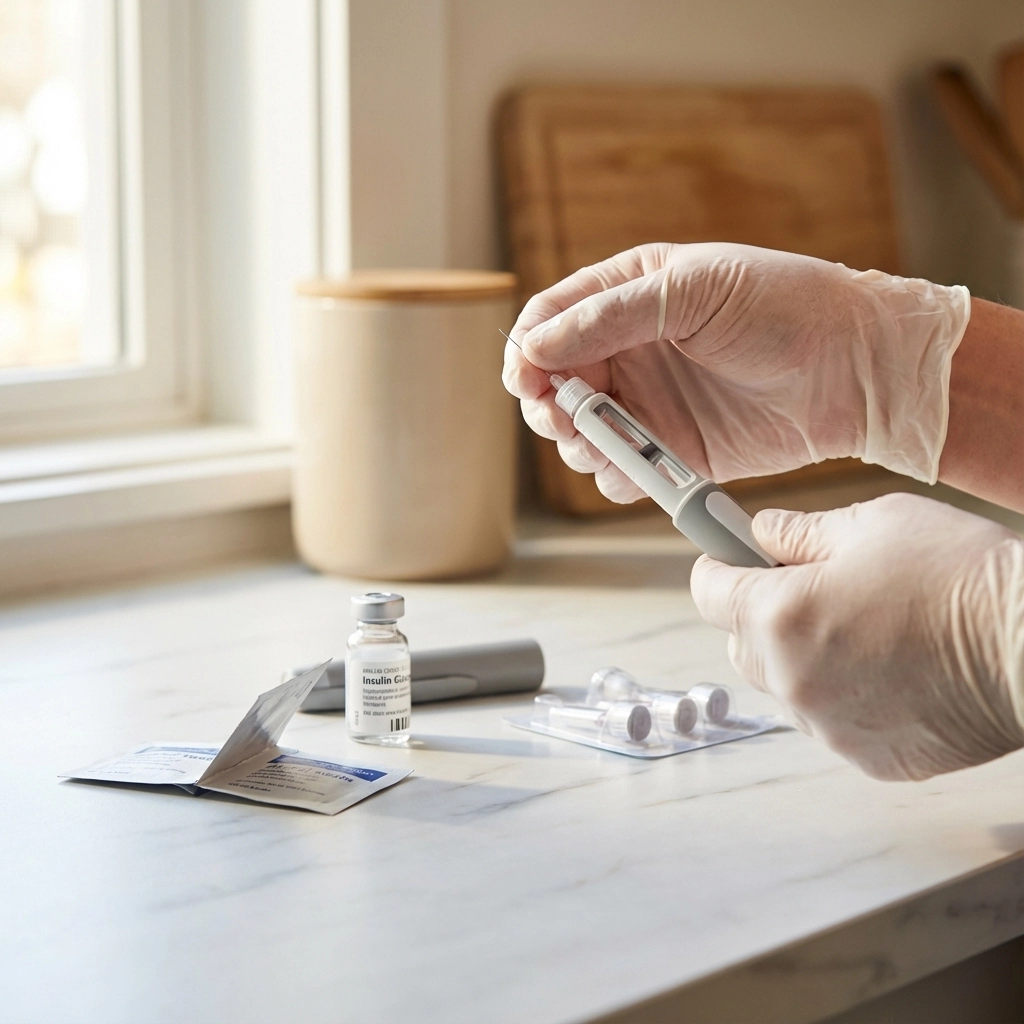
Alt text: Person preparing peptide injection at home with clean, organized medical supplies
What Results Can You Realistically Expect?
Here's where we separate realistic expectations from Instagram promises. Peptide therapy isn't magic, it's science-based medicine that works gradually but effectively.
Timeline expectations:
Most people notice initial changes in energy levels and sleep quality within the first 2-3 weeks. Visible changes in body composition typically become apparent around 4-6 weeks, with more significant results developing over 3-6 months of consistent treatment.
Weight loss outcomes:
Clinical data shows impressive results when peptides are used properly. Beyond the semaglutide studies mentioned earlier, research on other peptides shows:
- Liraglutide users typically lose around 8% of their body weight
- Tirzepatide can produce up to 15% weight loss over 72 weeks
- Growth hormone-releasing peptides often result in 10-20 pound weight loss combined with improved body composition
But here's what's really exciting: the benefits go far beyond the number on the scale. People consistently report improved energy levels, better sleep, enhanced mood, clearer thinking, and that overall feeling of vitality they thought they'd lost forever.
The compound effect:
What makes peptide therapy particularly effective is how it addresses multiple aspects of weight management simultaneously. You're not just losing fat, you're building muscle, improving metabolism, balancing hormones, and enhancing recovery. This creates sustainable changes rather than temporary fixes.
Learn more about comprehensive approaches to weight management.
Are Peptides Safe for Weight Management?
This is probably your biggest concern, and it's completely valid. Any time you're considering a medical treatment, safety should be the top priority.
The good news: Peptides used for weight loss have excellent safety profiles when prescribed and monitored by qualified healthcare providers. These aren't experimental substances, they're naturally occurring compounds that your body already produces and recognizes.
Potential side effects are generally mild and temporary:
- Injection site irritation (usually resolves within a few days)
- Mild nausea, especially with GLP-1 peptides (typically decreases as your body adjusts)
- Temporary fatigue as your body adapts to hormonal changes
- Occasional headaches during the initial adjustment period
What makes peptide therapy particularly safe:
Unlike many weight loss medications that force your body into unnatural states, peptides work by optimizing your body's existing systems. You're essentially restoring your body to function more like it did when you were younger.
Regular monitoring ensures any issues are caught early and addressed promptly. Your healthcare provider will track not just your weight loss progress, but also your overall health markers, hormone levels, and how you're feeling throughout treatment.
Important safety considerations:
Peptide therapy should only be prescribed by qualified healthcare providers who understand hormone optimization and weight management. This isn't something to purchase online or self-administer without proper medical supervision.
People with certain medical conditions (active cancer, uncontrolled diabetes, severe heart conditions) may not be candidates for peptide therapy. A thorough medical evaluation is essential before starting treatment.

Alt text: Healthcare provider reviewing patient results and discussing peptide therapy safety protocols
Maximizing Your Results: The Lifestyle Connection
Here's what separates people who get amazing results from those who see modest improvements: peptide therapy works best as part of a comprehensive approach to health and wellness.
Exercise amplification:
When combined with regular exercise, peptides can accelerate results dramatically. Research shows that people using liraglutide who also maintained 150 minutes of moderate exercise weekly lost twice as much weight as those using peptides alone.
The peptides enhance recovery, allowing for more frequent and intense workouts. They also preserve and build muscle mass, which naturally increases your metabolic rate even on rest days.
Nutritional synergy:
While peptides help control cravings and appetite, focusing on whole foods, adequate protein, and anti-inflammatory choices maximizes their effectiveness. You don't need to follow extreme diets, just consistent, healthy eating patterns.
Sleep and stress optimization:
Many peptides actually improve sleep quality, which is crucial for weight management. Poor sleep disrupts the very hormones that peptides are working to optimize. Managing stress through meditation, adequate sleep, or other relaxation techniques creates the ideal environment for peptides to work.
The Bottom Line: Is Peptide Therapy Right for You?
If you're tired of fighting your body's natural changes, if traditional diet and exercise have stopped working, or if you're looking for a scientifically-backed approach that addresses the root causes of stubborn weight gain, peptide therapy might be exactly what you've been searching for.
This isn't about quick fixes or unrealistic transformations. It's about working with your body's natural systems to restore the metabolic efficiency and hormonal balance you had in your younger years.
Your best years don't have to be behind you. With the right approach, proper medical supervision, and realistic expectations, peptide therapy can help you reclaim control over your weight and your health.
Frequently Asked Questions:
Are peptides FDA-approved for weight loss?
Several peptides like semaglutide and liraglutide are FDA-approved for weight management. Others are prescribed off-label by qualified physicians for their proven benefits.
What side effects should I expect?
Most people experience minimal side effects. The most common are mild injection site reactions and temporary nausea with GLP-1 peptides. These typically resolve as your body adjusts to treatment.
How long do I need to stay on peptide therapy?
Treatment duration varies by individual goals and response. Some people use peptides for 3-6 months to achieve their target weight, while others incorporate them as part of long-term health optimization.
Can I combine peptide therapy with other weight loss treatments?
Yes, peptides can often be safely combined with other approaches under proper medical supervision. Your healthcare provider will determine the best combination for your specific situation.
Ready to explore whether peptide therapy could be your solution? The first step is a comprehensive consultation with a qualified healthcare provider who specializes in hormone optimization and peptide treatments. Discover how peptides can transform your health journey.
Author: Dr. VidaVital Medical Team
Published: December 12, 2025
Last Updated: December 12, 2025