

If you've been taking phentermine for weight loss and suddenly noticed changes in your sexual performance, you're not imagining it, and you're definitely not alone. The connection between phentermine and erectile dysfunction is real, well-documented, and unfortunately, not always discussed upfront during consultations.
Here's what's happening: while phentermine can be incredibly effective for weight loss, it's also affecting your body's ability to achieve and maintain erections. The good news? Understanding this connection is the first step toward managing it effectively.
How Phentermine Disrupts Your Sexual Function
The Blood Flow Problem
Let's start with the most direct mechanism. Phentermine works as a stimulant that constricts your blood vessels, a process called vasoconstriction. Think of it like partially closing a garden hose while water is flowing through it.
Since achieving an erection depends entirely on healthy blood flow to the penis, this narrowing of blood vessels directly undermines your sexual function. When blood can't flow freely to erectile tissue, maintaining firmness becomes challenging or impossible.
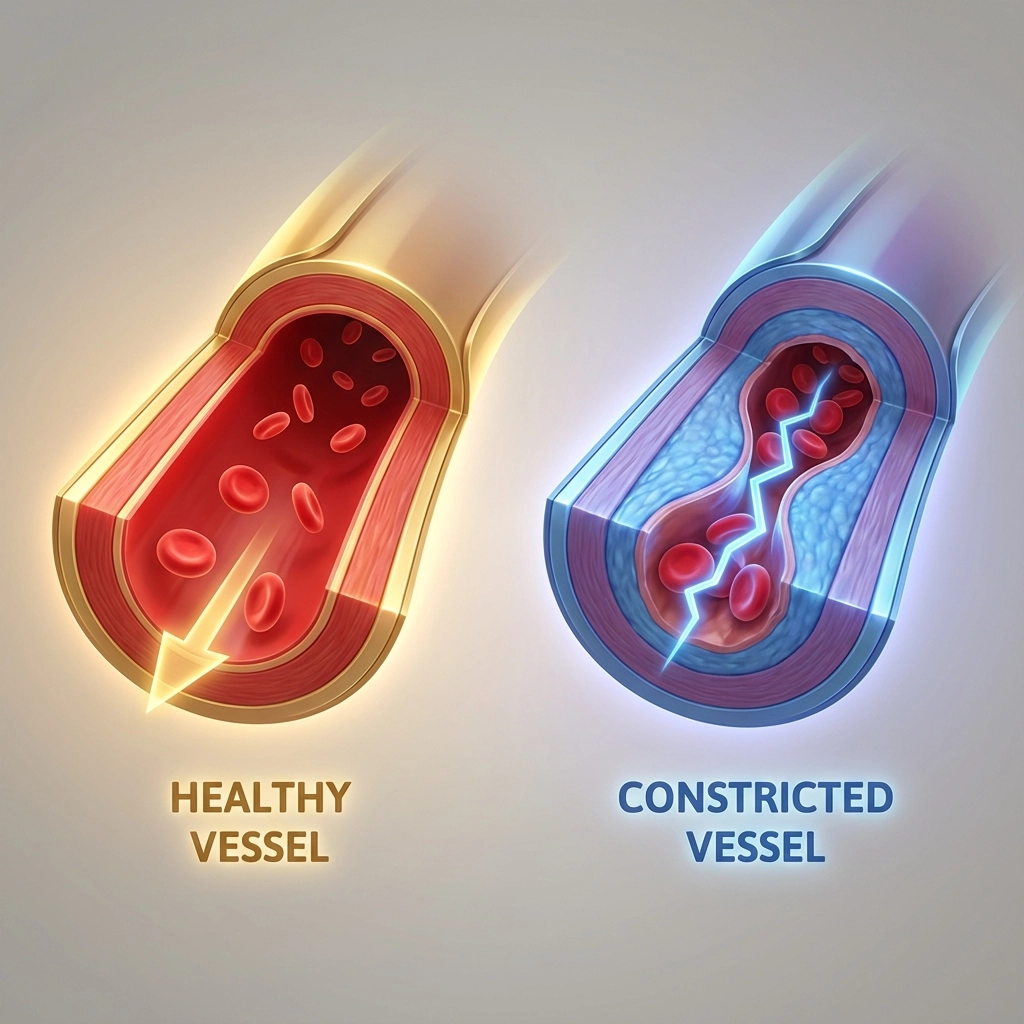
This isn't just theory, it's basic physiology. Your erection quality is directly tied to cardiovascular health and blood circulation. When a medication deliberately constricts blood vessels (which is part of how phentermine suppresses appetite), sexual function often becomes collateral damage.
Your Brain Chemistry Gets Scrambled
Phentermine increases the release of neurotransmitters like dopamine and norepinephrine in your brain. While this helps control your appetite, it simultaneously disrupts the delicate chemical signaling that regulates sexual arousal and desire.
Your nervous system orchestrates every aspect of sexual function, from initial arousal to the final climax. When a medication alters these chemical messengers, it's like changing the conductors in the middle of a symphony. The music doesn't stop, but it definitely doesn't sound the same.
Hormone Disruption You Didn't See Coming
As a central nervous system stimulant, phentermine can throw off your hormone regulation, particularly affecting testosterone levels. Even if you've never had testosterone issues before, this medication can create temporary imbalances.
Since testosterone drives libido, sexual desire, and erectile function, even modest fluctuations can create noticeable changes in your sexual performance. You might find yourself less interested in sex overall, not just struggling with erections.
Sleep Issues Compound the Problem
Here's something most guys don't connect: phentermine commonly disrupts sleep patterns, and poor sleep is a major contributor to decreased libido and sexual performance.
When you're not sleeping well, your body doesn't produce optimal levels of testosterone, which typically peaks during deep sleep phases. Combine this with the direct effects of phentermine, and you've got a perfect storm for sexual dysfunction.
What This Looks Like in Real Life
The sexual side effects from phentermine aren't subtle. Men typically report:
- Difficulty achieving erections even with sexual desire
- Erections that aren't firm enough for penetration
- Losing erections during sexual activity
- Decreased interest in sex overall
- Delayed or absent orgasms
If you're experiencing erectile dysfunction while taking phentermine, you're dealing with a medication side effect, not a reflection of your masculinity or overall health.
The Gender Difference You Should Know About
While we're focusing on men's experiences, it's worth noting that women experience different sexual side effects from phentermine. They typically report difficulty becoming aroused, delayed orgasm, or pain during intercourse rather than the erectile issues men face.
This difference highlights how the same medication can affect sexual function differently based on anatomy and physiology. Understanding this can help you have more informed conversations with healthcare providers about your specific concerns.

Is This Permanent? (Spoiler: Usually Not)
Here's the reassuring news: for most men, sexual side effects from phentermine are not permanent. These issues are directly linked to how the medication affects blood flow and nervous system function while you're actively taking it.
Once you discontinue phentermine under your doctor's guidance, sexual function typically returns to normal within weeks to months. Your body's natural circulation patterns resume, hormone levels stabilize, and nervous system signaling returns to baseline.
However, the timeline for recovery can vary based on:
- How long you've been taking phentermine
- Your overall cardiovascular health
- Your age and baseline sexual function
- Other medications you're taking
What You Can Do Right Now
Don't Stop Phentermine Abruptly
If you're experiencing erectile dysfunction while taking phentermine, your first instinct might be to stop the medication immediately. Resist this urge. Stopping weight loss medication suddenly can cause rebound effects and potentially derail your health goals.
Instead, document what you're experiencing and schedule a conversation with your healthcare provider. They need to know about these side effects to help you make informed decisions about your treatment plan.
Consider Timing and Dosage Adjustments
Sometimes, simple adjustments can help minimize sexual side effects without stopping phentermine entirely. Your doctor might suggest:
- Taking phentermine earlier in the day to reduce sleep disruption
- Adjusting the dosage to find a balance between weight loss benefits and side effects
- Taking medication breaks or cycling on and off phentermine
Explore Supportive Treatments
While addressing the root cause (phentermine) is ideal, you don't have to suffer in silence while working on solutions. Men's sexual health treatments can provide temporary relief while you and your doctor figure out the best long-term approach.
Options might include:
- PDE5 inhibitors (like Viagra or Cialis) to counteract blood flow issues
- Peptide therapies for erectile dysfunction that work through different mechanisms
- Lifestyle modifications that support cardiovascular health

Address the Underlying Issues
Remember why you started phentermine in the first place. Obesity and metabolic issues can also contribute to erectile dysfunction through similar mechanisms, poor circulation, hormone imbalances, and decreased energy levels.
Consider this an opportunity to take a comprehensive approach to your health. Medical weight loss programs can help you achieve sustainable results while monitoring for side effects like sexual dysfunction.
When to See a Doctor Immediately
While phentermine-related ED is usually manageable, certain situations require immediate medical attention:
- Sudden, complete loss of erectile function
- Chest pain or heart palpitations during sexual activity
- Severe mood changes or depression
- Signs of cardiovascular problems (dizziness, shortness of breath, unusual fatigue)
These symptoms could indicate more serious cardiovascular effects that need immediate evaluation.
Having the Conversation with Your Healthcare Provider
Many men feel uncomfortable discussing sexual side effects with their doctors, but this conversation is crucial for your overall health and treatment success.
Here's how to approach it:
Be Specific: Instead of saying "I'm having problems," explain exactly what you're experiencing. "I'm having difficulty maintaining erections since starting phentermine" gives your doctor clear information to work with.
Ask Direct Questions:
- "Is this a known side effect of phentermine?"
- "Are there alternative weight loss medications with fewer sexual side effects?"
- "Can we adjust my current treatment to minimize these issues?"
Discuss Your Priorities: Be honest about how important sexual function is to your quality of life versus your weight loss goals. Your doctor needs to understand your priorities to help you make the best decisions.
If you need help finding the right healthcare provider for these conversations, consider consulting with specialists who understand both men's sexual health and weight management.
Frequently Asked Questions
Q: How quickly do sexual side effects appear after starting phentermine?
A: Most men notice changes within the first few weeks of starting phentermine. The timeline can vary, but effects typically correlate with when the medication reaches steady levels in your system.
Q: Will taking phentermine only occasionally reduce sexual side effects?
A: Taking phentermine inconsistently can reduce some side effects, but it also reduces the medication's effectiveness for weight loss. Discuss intermittent dosing strategies with your doctor rather than making changes on your own.
Q: Can I take ED medications while on phentermine?
A: In many cases, yes, but this combination requires medical supervision. Both medications affect cardiovascular function, so your doctor needs to ensure it's safe for your specific situation.
Q: Are there natural ways to counteract phentermine's effects on sexual function?
A: Some men find that cardiovascular exercise, stress reduction, and ensuring adequate sleep help minimize side effects. However, these lifestyle changes work best as supplements to, not replacements for, medical management.
Q: Should I be concerned about long-term sexual function if I take phentermine for several months?
A: Current research suggests that phentermine's sexual side effects are reversible for most people. However, long-term use should be monitored by your healthcare provider, who can assess your individual risk factors and response to treatment.
Published: December 9, 2025
About the Author: This article was written by the VidaVital Medical team, healthcare professionals specializing in comprehensive men's health, sexual wellness, and medical weight management. VidaVital Medical is committed to providing evidence-based information to help men make informed decisions about their health and wellness journey.
For personalized advice about phentermine, erectile dysfunction, or comprehensive men's health care, consult with qualified healthcare providers who can evaluate your individual situation and provide appropriate treatment recommendations.