

Why Preventive Care Matters More Than Ever
For many adults, healthcare often begins when something feels wrong. A persistent symptom, an unexpected change, or a sudden health scare prompts a visit to a medical provider. Yet this reactive approach to health overlooks one of the most valuable tools available: preventive clinical care.
Wellness-conscious patients understand that maintaining good health requires more than responding to problems as they arise. It involves taking deliberate, proactive steps to support the body before conditions develop or progress. For adults between 30 and 65, preventive care represents an opportunity to address potential concerns early, optimize overall wellness, and establish a foundation for long-term health.
Understanding Preventive Clinical Care
Preventive clinical care encompasses a range of medical services designed to identify health risks, detect early signs of disease, and support ongoing wellness. Unlike acute care, which addresses immediate health concerns, preventive care focuses on maintaining health and reducing the likelihood of future complications.
This approach recognizes that many chronic conditions: including cardiovascular disease, metabolic disorders, and hormonal imbalances: develop gradually over time. By the time symptoms become noticeable, these conditions may have already progressed significantly. Preventive care aims to identify these changes during their earliest stages, when intervention is often most effective.

For wellness-conscious patients, preventive clinical care offers a structured path toward better health outcomes. Rather than waiting for warning signs, individuals can work with healthcare providers to monitor key health indicators, address lifestyle factors, and make informed decisions about their care.
The Role of Medical Evaluation and Oversight
At the core of preventive clinical care is the comprehensive medical evaluation. This process involves a thorough review of an individual's health history, current symptoms, lifestyle factors, and family medical background. A licensed medical provider uses this information to develop a personalized understanding of each patient's unique health profile.
During a medical evaluation, providers assess vital signs such as blood pressure, heart rate, and body composition. They also discuss factors that may influence health outcomes, including sleep quality, stress levels, physical activity, and nutritional habits. This conversation forms the foundation for a collaborative approach to wellness.
The Value of Diagnostic Lab Testing
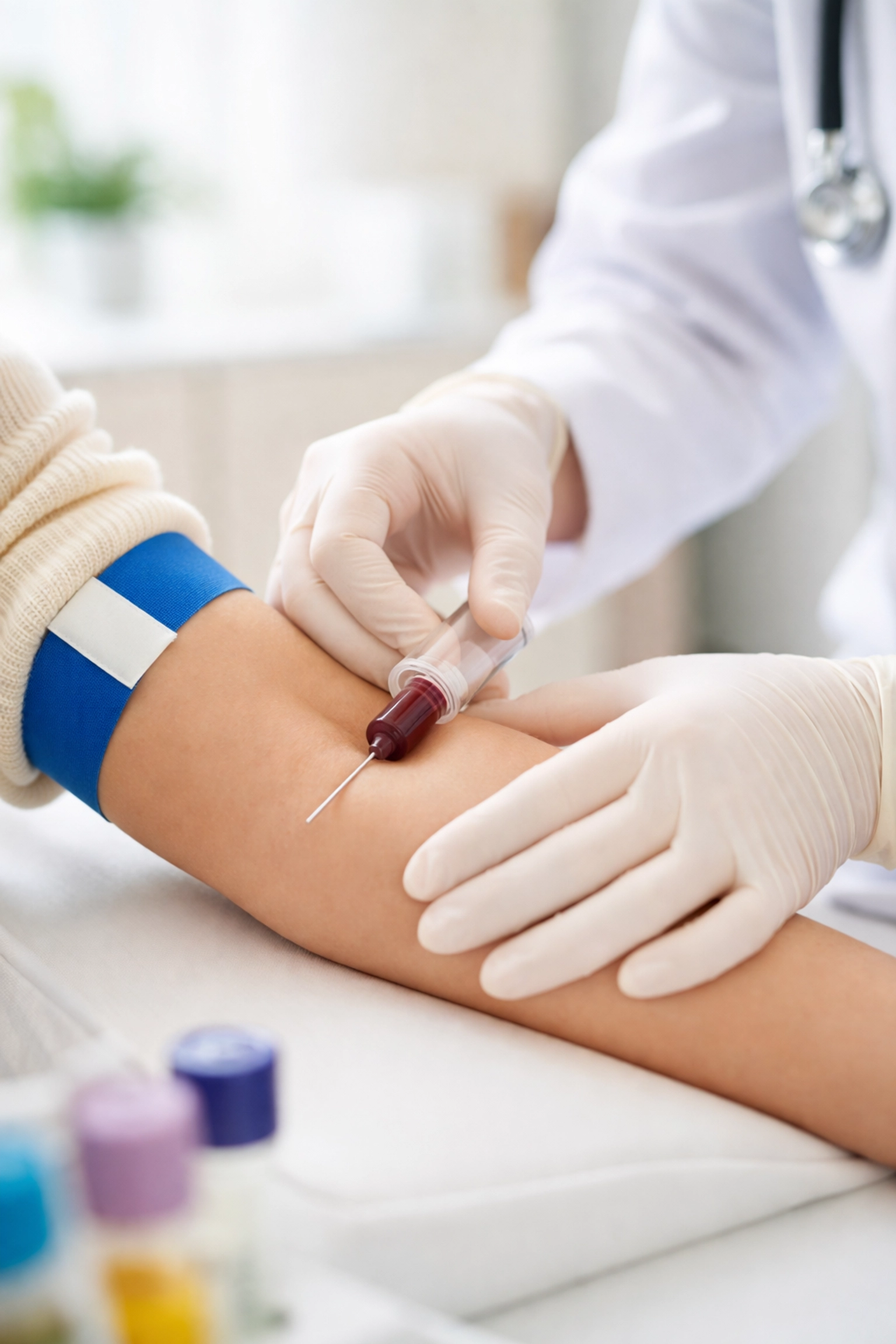
Diagnostic lab testing plays a central role in preventive care. Blood panels and other laboratory assessments provide objective data about metabolic function, hormone levels, organ health, and potential nutritional deficiencies. These results help providers identify patterns that may not be apparent through a physical examination alone.
For adults in the 30 to 65 age range, certain markers become increasingly important to monitor. Cholesterol levels, blood glucose, thyroid function, and hormone balance all provide valuable insights into overall health status. Regular testing allows providers to track changes over time and adjust recommendations accordingly.

Lab results also serve as a baseline for future comparison. When values shift outside of optimal ranges, providers can work with patients to determine appropriate next steps. This ongoing monitoring supports early detection and timely intervention.
A Clinical Approach to Preventive Wellness
Preventive clinical care extends beyond testing and evaluation. It involves developing a comprehensive care plan tailored to each individual's needs, goals, and health status. This plan may address multiple dimensions of wellness, including physical health, metabolic function, and lifestyle optimization.
Personalized Health Planning
Every patient presents a unique combination of health factors, risk profiles, and personal goals. A one-size-fits-all approach to preventive care fails to account for these individual differences. Instead, effective preventive care requires personalized planning based on thorough assessment and ongoing dialogue between patient and provider.
Health planning may include recommendations for nutrition, physical activity, sleep hygiene, and stress management. It may also involve scheduling follow-up evaluations and repeat laboratory testing to monitor progress. The goal is to create a sustainable framework for health that adapts as circumstances change.
Addressing Age-Related Health Changes
Adults between 30 and 65 often experience gradual shifts in metabolism, energy levels, and hormonal balance. These changes are a normal part of aging, but they can also influence overall wellness and quality of life. Preventive care provides an opportunity to address these shifts proactively rather than reactively.
Through regular evaluation and monitoring, providers can help patients understand how their bodies are changing and what steps may support optimal function. This knowledge empowers individuals to make informed choices about their health and pursue interventions that align with their goals.
Preventive Care for Albuquerque Adults
Adults living in Albuquerque face unique considerations when it comes to preventive health. Regional factors such as climate, altitude, and lifestyle patterns can all influence health outcomes. Access to quality preventive care services ensures that local residents have the resources they need to prioritize their wellness.
Preventive clinical care in Albuquerque offers residents the opportunity to establish ongoing relationships with healthcare providers who understand their individual needs. Rather than navigating fragmented care across multiple facilities, patients can benefit from coordinated services designed to support long-term health.
For those seeking comprehensive preventive care services, VidaVital Medical offers a range of options tailored to adult wellness. To learn more about available services, individuals can explore how preventive care may fit into their personal health journey.
Building a Foundation for Long-Term Wellness
Preventive clinical care represents more than a series of appointments and tests. It reflects a commitment to treating health as an ongoing priority rather than an afterthought. For wellness-conscious patients, this approach offers a path toward greater awareness, earlier intervention, and improved quality of life.
The process begins with a willingness to take proactive steps. Scheduling a medical evaluation, completing diagnostic lab testing, and engaging in honest conversations with a licensed medical provider all contribute to a more complete understanding of one's health status. From there, patients and providers can work together to develop strategies that support sustained wellness.
Whether addressing specific concerns or simply seeking to optimize overall health, preventive care provides a framework for making informed decisions. It acknowledges that good health is not merely the absence of disease but the presence of vitality, energy, and well-being.
Taking the Next Step
For adults considering preventive clinical care, the most important step is often the first one. Reaching out to a qualified healthcare provider, asking questions, and expressing health goals all contribute to a productive care relationship. Preventive care works when patients and providers engage as partners in the pursuit of better health.
As health needs evolve over time, so too should the approach to care. Regular evaluations, updated testing, and ongoing communication ensure that preventive strategies remain relevant and effective. This commitment to proactive health represents one of the most meaningful investments an individual can make in their future well-being.