

If you’ve been feeling like you’re not quite yourself lately: maybe you’re more tired than usual, your libido has taken a nosedive, or you’re struggling to maintain muscle despite hitting the gym: you’re not imagining things. You’re also not alone. Millions of men are discovering that low testosterone might be behind these frustrating changes, and the good news? 2026 brings more treatment options and clearer answers than ever before.
Let’s cut through the confusion and get you the straight facts about testosterone replacement therapy (TRT), what it costs, what’s actually safe, and how you can take your next step toward feeling like yourself again.
What’s New in Testosterone Therapy for 2026?
The testosterone therapy landscape has exploded in recent years, and 2026 is no exception. Here’s what’s actually changing:
The Numbers Don’t Lie
TRT use has surged dramatically. From 2018 to 2022 alone, testosterone therapy use increased by:
- 120% among men aged 24 and younger
- 86% among men aged 25-34
- Steady increases across all age groups
About 40% of men under 40 have expressed interest in testosterone optimization, with nearly 14% currently using or having used TRT. This isn’t a fad: it’s men taking control of their health.

Game-Changing Treatment Options
2026 brings KYZATREX®, a new FDA-approved oral testosterone that’s shown to restore testosterone levels in up to 96% of men. Unlike older oral forms that had liver concerns, this new option doubles free testosterone on average without the hassle of injections or gels.
Personalized enclomiphene therapy is also expanding through telehealth platforms. This treatment restores your body’s natural testosterone production without compromising fertility: a game-changer for younger men or those planning families.
Testosterone Therapy Myths vs. Facts: 2026 Safety Research
Let’s address the elephant in the room. You’ve probably heard scary stories about TRT and heart attacks or prostate cancer. Here’s what the latest science actually shows:
The FDA Panel’s December 2025 Conclusions
An FDA expert panel concluded that testosterone therapy does not increase cardiovascular risk or prostate cancer risk. This contradicts years of outdated warnings that kept many men from getting help they needed.
The Real Research Numbers
A major 2023 study in the New England Journal of Medicine found that cardiovascular events occurred in:
- 7.0% of testosterone patients
- 7.3% of placebo patients
That means TRT was actually slightly safer than doing nothing.
The bottom line: Experts now emphasize that testosterone deficiency itself negatively impacts health, reduces quality of life, and increases mortality risk. Proper TRT offers clinical benefits including improvements in diabetes, obesity, and bone density.
Testosterone Replacement Therapy Options in 2026
TRT isn’t one-size-fits-all. Here’s what you can choose from:
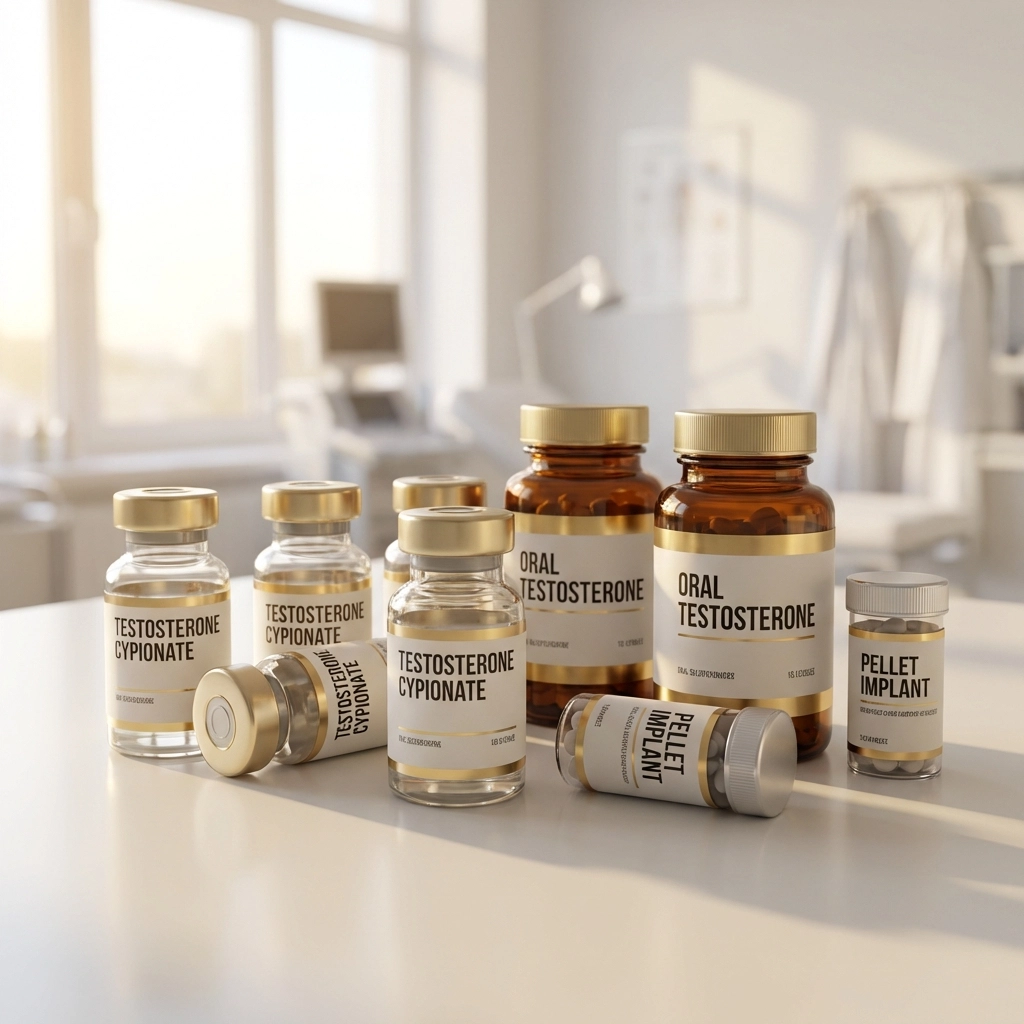
Injectable Forms
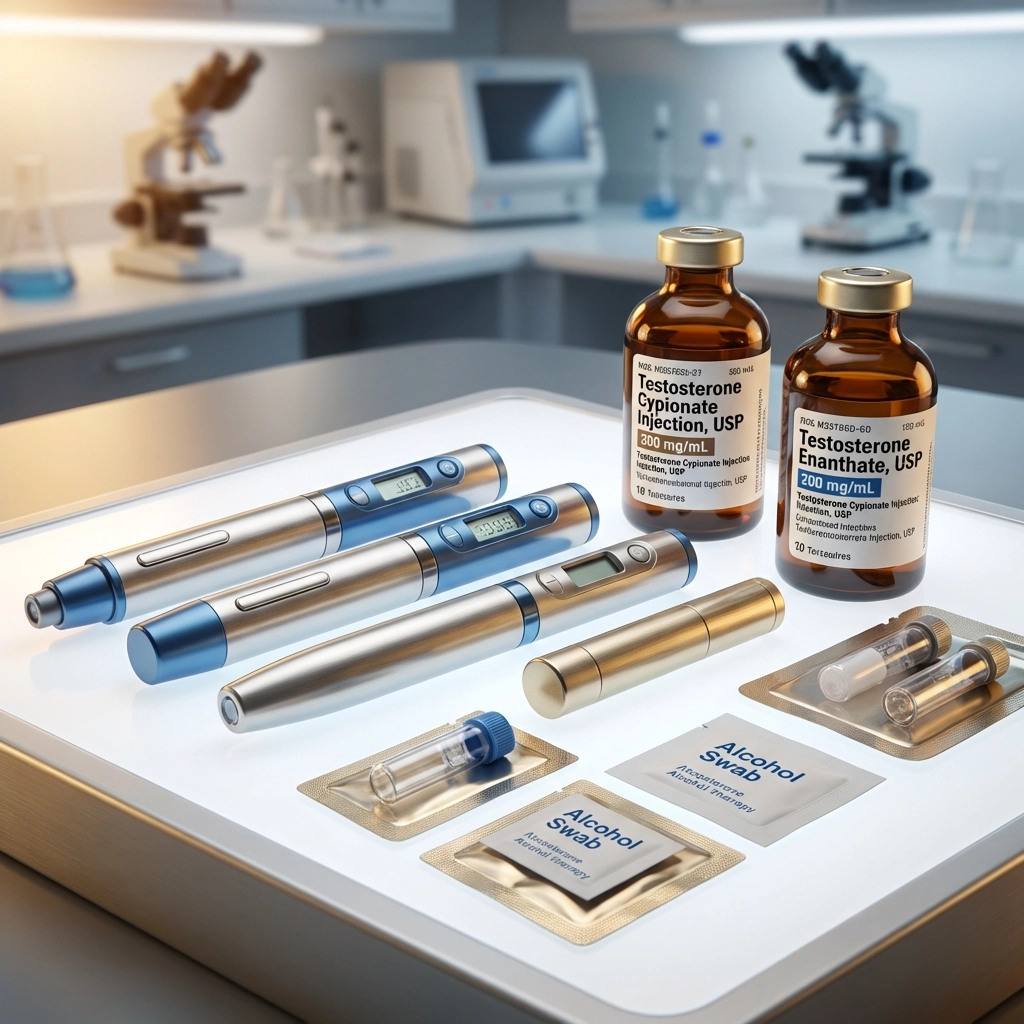
- Testosterone cypionate and enanthate: 50-400 mg every 2-4 weeks
- Testosterone undecanoate: 750 mg initially, then every 10 weeks
- Pros: Cost-effective, proven track record
- Cons: Requires injections, potential for level fluctuations
Pellet Therapy
- Testopel pellets: 300-450 mg implanted every 3 months
- Pros: Set-and-forget convenience
- Cons: Minor surgical procedure required
Oral Options
- KYZATREX® (2026 launch): Daily oral dose
- Pros: No injections, convenient
- Cons: Newer option, typically more expensive
Natural Testosterone Restoration
- Enclomiphene therapy: Stimulates your body’s own production
- Pros: Maintains fertility, uses your natural systems
- Cons: May not work for all cases of low T
Testosterone Replacement Therapy Cost in 2026
Let’s talk numbers because cost matters when you’re planning long-term treatment.
Typical Monthly Costs
- Injectable testosterone: $30-80 per month
- Testosterone pellets: $300-600 every 3 months ($100-200/month)
- Oral testosterone: $200-400 per month
- Enclomiphene: $100-200 per month
- Initial consultation and labs: $200-500
Insurance Coverage Reality
Many insurance plans cover TRT when you have documented low testosterone and symptoms. However, newer options like enclomiphene or oral testosterone may require prior authorization or may not be covered yet.
Finding a Testosterone Clinic Near You
Local men’s health clinics often offer package pricing that includes:
- Initial consultation
- Laboratory testing
- Follow-up monitoring
- Medication adjustments
Many patients find this more cost-effective and convenient than managing everything separately through traditional healthcare.

Low Testosterone Symptoms and Causes
Understanding the “why” helps you make informed decisions about treatment:
Age-Related Decline
Testosterone naturally decreases about 1% per year after age 30. By age 40, many men notice the effects. By 50, significant deficiency becomes more common.
Lifestyle Factors
- Poor sleep (less than 7 hours consistently)
- Chronic stress and elevated cortisol
- Obesity, particularly belly fat
- Lack of exercise or overtraining
- Poor diet high in processed foods
Medical Conditions
- Type 2 diabetes
- Sleep apnea
- Thyroid disorders
- Previous chemotherapy or radiation
- Certain medications (opioids, steroids)
Modern Environmental Factors
- Endocrine disruptors in plastics and chemicals
- Increased stress levels compared to previous generations
- Sedentary lifestyles and reduced physical activity
Frequently Asked Questions About TRT
Q: How do I know if I actually need TRT?
You need both symptoms (fatigue, low libido, mood changes, muscle loss) AND documented low testosterone levels on blood tests. A qualified provider should evaluate both.
Q: Will TRT affect my fertility?
Traditional TRT can suppress natural sperm production. However, enclomiphene therapy preserves fertility while raising testosterone. Discuss your family planning goals with your provider.
Q: How quickly will I see results?
Most men notice improvements in energy and mood within 2-4 weeks. Muscle mass and strength improvements typically take 3-6 months. Libido often improves within the first month.
Q: Is TRT a lifetime commitment?
Not necessarily. Some men use TRT short-term while making lifestyle changes. Others find long-term therapy beneficial. It depends on your individual situation and underlying causes.
Q: What about side effects?
Common side effects include mild acne, increased red blood cell count, or sleep apnea worsening. These are manageable with proper monitoring and dose adjustments.
Taking Your Next Step: How VidaVital Medical Can Help
If you’re experiencing symptoms of low testosterone, the most important step is getting proper evaluation and testing. At VidaVital Medical, we understand that every man’s situation is unique, and we’re committed to finding the right solution for your specific needs.
What We Offer
- Comprehensive hormone evaluation including complete testosterone panels
- Personalized treatment plans using the latest evidence-based approaches
- Multiple treatment options including traditional TRT and fertility-preserving alternatives
- Ongoing monitoring and support to ensure optimal results and safety
- Transparent pricing with no hidden fees or surprise costs
Our Approach
We believe in treating the whole person, not just lab numbers. Our compassionate team takes time to understand your symptoms, lifestyle, and goals before recommending any treatment. Whether you’re dealing with low testosterone symptoms or exploring hormone replacement therapy options, we’re here to guide you through every step.
Getting Started
Your journey begins with a simple consultation. We’ll review your symptoms, order appropriate testing, and discuss all your options: including lifestyle modifications that might help naturally boost your levels. No pressure, no sales pitches: just honest medical guidance based on the latest research.
Don’t let low testosterone continue impacting your quality of life. The treatments available in 2026 are safer, more effective, and more convenient than ever before. You deserve to feel energetic, confident, and like yourself again.
Ready to take the next step? Contact VidaVital Medical today to schedule your consultation and start your journey toward optimized health and vitality.