

Hair loss is one of the most common concerns adults face as they age, yet it remains one of the least discussed topics in routine healthcare. For many individuals, thinning hair affects more than appearance: it can influence self-confidence, emotional well-being, and overall quality of life.
The good news is that hair loss is no longer something you simply have to accept. Modern clinical approaches now offer a range of restorative options that are grounded in science and delivered under proper medical supervision. Understanding the causes of hair loss and the evaluation process is the first step toward exploring what might work for you.
Why Hair Loss Happens
Hair loss can occur for a variety of reasons, and identifying the underlying cause is essential before pursuing any form of treatment. While genetics play a significant role in many cases, other factors can contribute to thinning or shedding.
Common Causes of Hair Thinning
Androgenic alopecia, often referred to as pattern hair loss, is the most prevalent form affecting both men and women. In men, this typically presents as a receding hairline and thinning at the crown. Women often experience diffuse thinning across the top of the scalp rather than distinct bald patches.
Hormonal imbalances, thyroid disorders, nutritional deficiencies, and chronic stress can also trigger hair loss. Conditions like telogen effluvium cause temporary shedding due to physical or emotional shock to the body. Without a proper medical evaluation, it can be difficult to distinguish between these conditions and determine the appropriate course of action.

The Emotional Impact
Beyond the physical changes, hair loss can take a toll on mental health. Many individuals report feeling less confident in social and professional settings. Recognizing this connection between hair health and emotional well-being is part of why a compassionate, patient-centered approach matters in clinical care.
The Role of Medical Evaluation in Hair Restoration
A thorough medical evaluation is the foundation of any effective hair restoration plan. Rather than guessing at solutions, working with a licensed medical provider ensures that treatment recommendations are tailored to your specific situation.
What to Expect During an Evaluation
The evaluation process typically begins with a comprehensive review of your medical history. Your provider will ask about the onset and pattern of hair loss, any medications you may be taking, family history, and lifestyle factors that could be contributing to the issue.
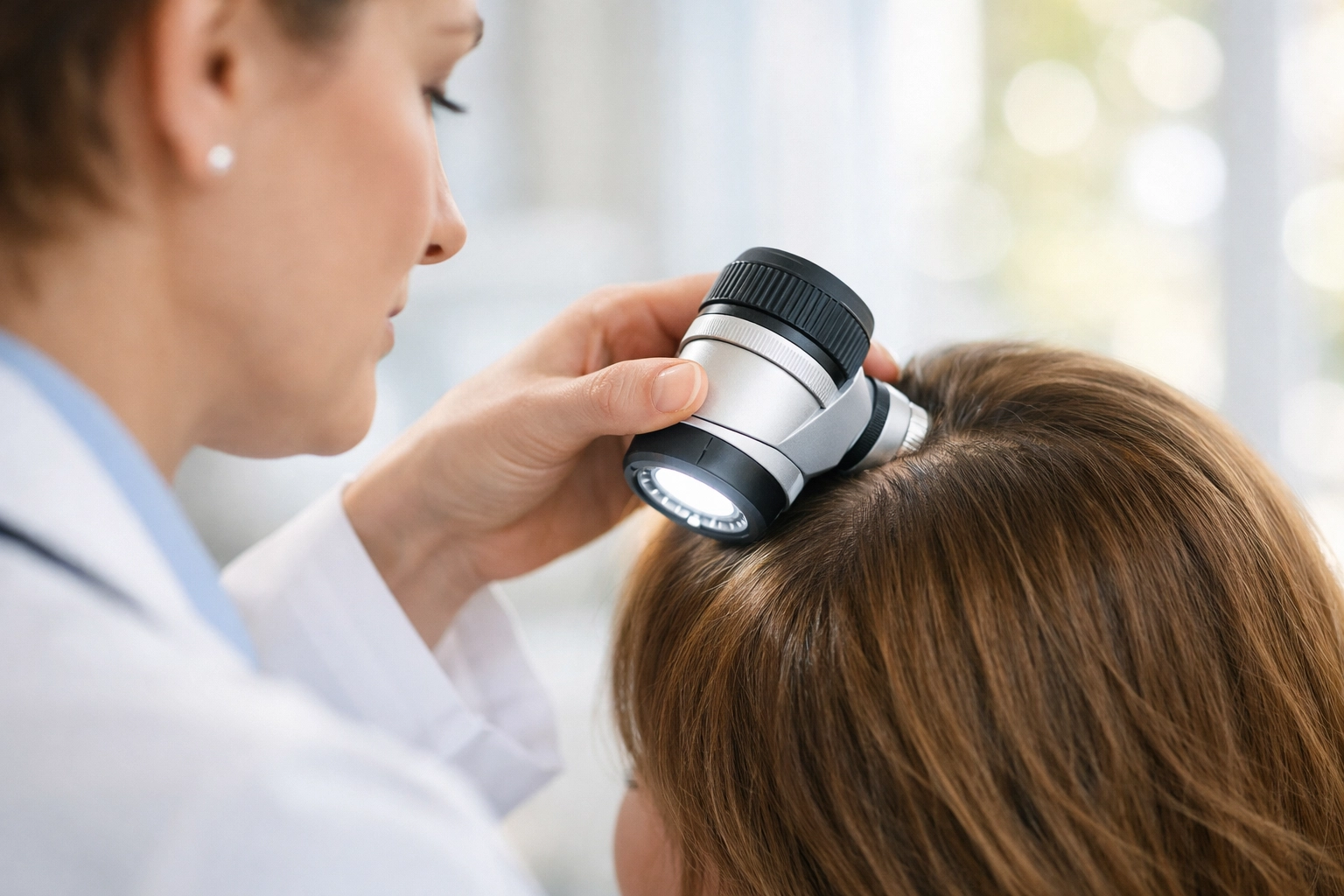
A physical examination of the scalp follows, often using specialized tools like trichoscopy. This non-invasive technique magnifies the scalp to assess hair density, follicular health, and signs of miniaturization. These visual assessments help differentiate between various types of hair loss and guide the diagnostic process.
Diagnostic Lab Testing
In many cases, diagnostic lab testing is recommended to rule out underlying medical conditions. Blood work may include a complete blood count, iron studies, thyroid function panels, and hormone level assessments. These tests provide valuable insight into whether systemic factors are contributing to hair thinning.
For some patients, additional testing or referrals may be necessary. The goal is always to understand the full picture before recommending any intervention. This level of thoroughness is what separates a medically supervised approach from over-the-counter solutions that may not address the root cause.
Clinical Approaches to Hair Restoration
Once a diagnosis has been established, a licensed medical provider can discuss the clinical options that may be appropriate for your needs. Modern hair restoration clinics offer a variety of evidence-based treatments designed to slow hair loss, stimulate regrowth, or restore density.
Non-Surgical Therapies
Many patients begin with non-surgical therapies that can be administered in a clinical setting. These may include topical treatments, oral therapies, or advanced procedures like platelet-rich plasma injections. Each option works through different mechanisms, and what is recommended will depend on your diagnosis, health history, and personal goals.
Platelet-rich plasma therapy, for example, uses components derived from your own blood to stimulate hair follicles. This approach has gained attention for its potential to support natural hair growth when administered as part of a clinically supervised care plan.
Ongoing Medical Oversight
Hair restoration is rarely a one-time event. Ongoing medical oversight allows your provider to monitor progress, adjust treatments as needed, and address any new concerns that arise. Regular follow-up appointments ensure that your plan remains aligned with your evolving needs and that any side effects or complications are promptly addressed.
This continuity of care is one of the key advantages of working with a dedicated hair restoration clinic rather than pursuing fragmented solutions on your own.
Finding Clinical Care in Albuquerque
For residents of Albuquerque experiencing hair thinning, accessing qualified clinical care is an important step. A local hair restoration clinic staffed by experienced professionals can provide the personalized attention and medical expertise necessary for meaningful results.
Working with providers who understand the unique needs of the community allows for more convenient scheduling, easier follow-up, and a care team that is invested in your long-term success. Whether you are just beginning to notice changes or have been dealing with hair loss for years, it is never too late to explore your options.
To learn more about clinical hair restoration services available in Albuquerque, consider scheduling a consultation with a qualified provider who can assess your situation and discuss potential next steps.

Taking the First Step
Hair loss is a medical condition that deserves the same thoughtful, evidence-based approach as any other health concern. By starting with a comprehensive medical evaluation and working with a licensed medical provider, you can gain clarity about what is causing your hair loss and what options may help.
If you have been hesitant to seek care, know that modern clinical approaches are designed to be safe, effective, and personalized. The path to healthier hair begins with understanding your unique situation and partnering with a care team that prioritizes your well-being.