

If you have noticed changes in your energy levels, mood, or overall vitality as you have gotten older, you are not imagining it. Hormonal shifts are a natural part of aging, and for many men, these changes can significantly impact daily life and long-term wellness.
Understanding how your body regulates hormones is the first step toward making informed decisions about your health. A thorough medical evaluation is essential before considering any treatment approach, as it helps identify what is actually happening inside your body rather than simply addressing surface-level symptoms.
What You Should Know About Testosterone and Your Health
Testosterone plays a critical role in numerous bodily functions beyond what most people realize. This hormone influences muscle mass, bone density, red blood cell production, fat distribution, and even cognitive function. It also affects mood regulation, energy levels, and sexual health.
As men age, testosterone production naturally declines at a rate of approximately one to two percent per year after age 30. For some men, this gradual decrease goes unnoticed. For others, the decline is more pronounced and leads to symptoms that interfere with quality of life.

Here is what most people do not realize: low testosterone is not just about aging. Various medical conditions, lifestyle factors, and other health issues can contribute to hormonal imbalances at any age. This is precisely why working with a licensed medical provider matters so much.
Recognizing the Signs of Low Testosterone
Understanding the potential indicators of low testosterone can help you have more productive conversations with your healthcare provider. Common symptoms that prompt men to seek evaluation include:
- Persistent fatigue that does not improve with rest
- Decreased interest in activities you once enjoyed
- Changes in body composition, including increased body fat
- Difficulty concentrating or experiencing mental fog
- Reduced muscle strength despite regular exercise
- Changes in mood, including irritability or low motivation
- Diminished libido or sexual function concerns
It is important to note that these symptoms can overlap with many other health conditions. Depression, thyroid disorders, sleep apnea, and metabolic issues can all produce similar effects. This overlap underscores why a comprehensive evaluation is so critical before drawing any conclusions about your hormone levels.
Why Medical Evaluation Is the Essential First Step
You might be tempted to self-diagnose based on symptoms alone, but this approach often leads to incomplete answers. Diagnostic lab testing provides objective data about what is actually happening in your body, removing the guesswork from the equation.
A proper evaluation for testosterone-related concerns typically involves several components. Blood tests measure not only total testosterone levels but also free testosterone, which is the portion your body can actually use. Additional markers help your provider understand the complete picture of your hormonal health.
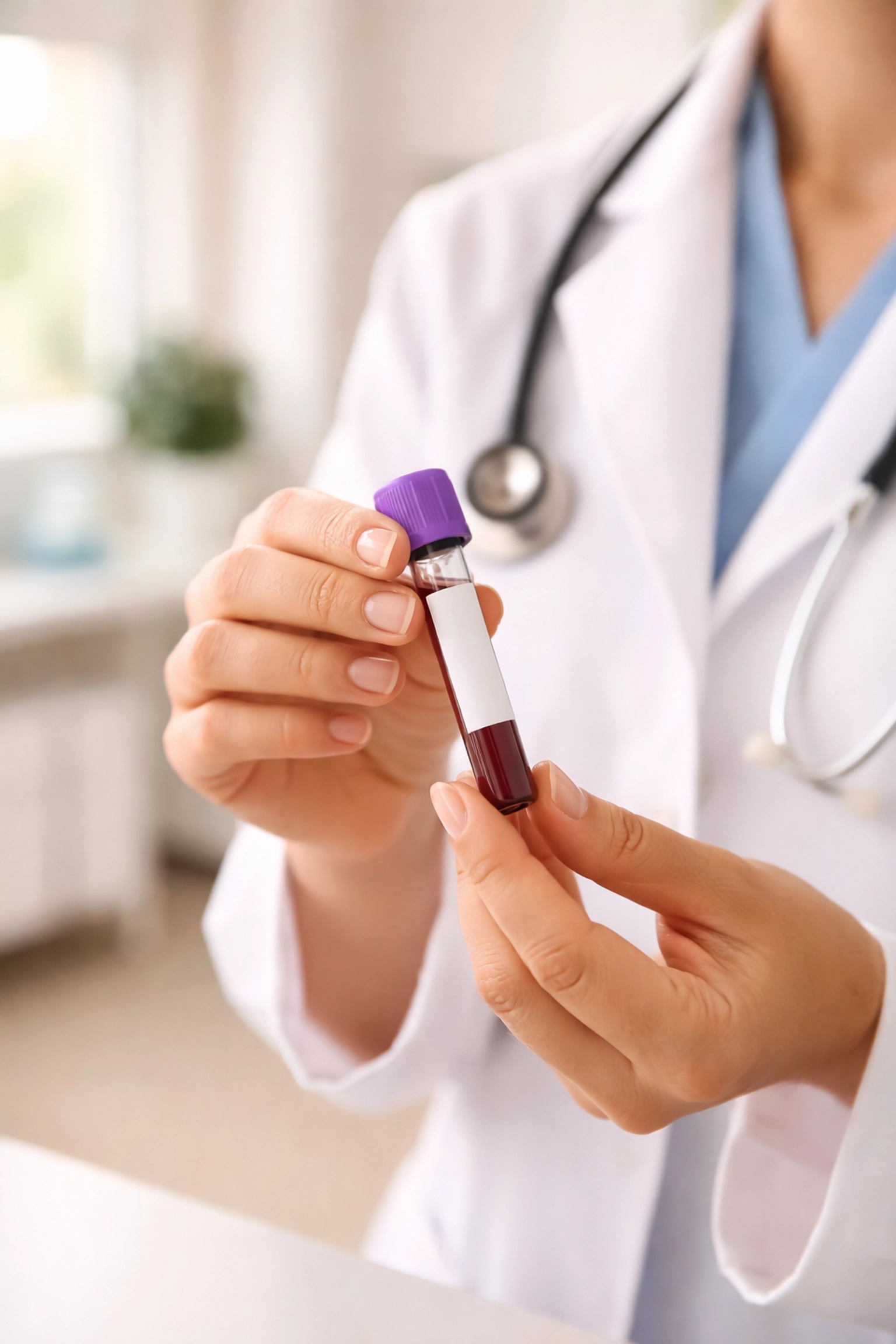
Testing is usually performed in the morning when testosterone levels are naturally highest. Your provider may recommend multiple tests over time to establish patterns, since hormone levels can fluctuate based on various factors including stress, sleep quality, and overall health status.
Beyond bloodwork, a comprehensive evaluation includes reviewing your medical history, current medications, lifestyle factors, and any symptoms you have been experiencing. This holistic approach ensures that any recommended course of action addresses your specific situation rather than applying a one-size-fits-all solution.
The Clinical Approach to Hormone Optimization
When evaluation confirms that hormone optimization may be appropriate, clinically supervised care becomes essential for safety and effectiveness. Treatment approaches are highly individualized, taking into account your specific lab results, health history, lifestyle, and personal goals.
A qualified healthcare provider will discuss various options with you, explaining the potential benefits and considerations associated with each approach. Different delivery methods exist, and the right choice depends on your individual circumstances, preferences, and how your body responds over time.
What sets medically supervised hormone optimization apart from other approaches is the emphasis on ongoing medical oversight. Regular follow-up appointments and lab testing allow your provider to monitor your progress and make adjustments as needed. This iterative process helps ensure that your treatment continues to serve your health goals safely.
Your provider will also discuss lifestyle factors that support hormone health naturally. Nutrition, exercise, sleep quality, and stress management all play important roles in how your body produces and utilizes hormones. A comprehensive approach addresses these factors alongside any clinical interventions.
Finding Quality Care in Boca Raton
For men in Boca Raton seeking evaluation for hormone-related concerns, access to qualified medical professionals is an important consideration. Working with a medical clinic that specializes in hormone health ensures you receive care from providers who understand the nuances of this specialized field.
The evaluation process should feel collaborative rather than rushed. Quality providers in Boca Raton take time to understand your concerns, explain testing procedures clearly, and ensure you feel informed at every step of the process.

Frequently Asked Questions About Testosterone Evaluation
How do I know if I should get my testosterone levels checked?
If you are experiencing persistent symptoms such as unexplained fatigue, mood changes, or decreased vitality, discussing these concerns with a healthcare provider is a reasonable first step. They can help determine whether hormone testing is appropriate based on your individual situation.
What should I expect during a testosterone evaluation?
The evaluation typically includes a detailed discussion of your symptoms and health history, followed by blood tests. Your provider will explain what the tests measure and what the results mean for your health. The goal is to gather enough information to make informed recommendations.
How long does it take to get results from hormone testing?
Most lab results are available within a few days. Your provider will schedule a follow-up appointment to review results with you, answer questions, and discuss potential next steps if warranted.
Is testosterone optimization safe?
When administered under proper medical supervision with regular monitoring, hormone optimization can be conducted safely. The key is working with qualified providers who prioritize thorough evaluation, appropriate treatment selection, and consistent follow-up care.
Taking the Next Step Toward Understanding Your Health
Making informed decisions about your health starts with understanding what is happening inside your body. If you have been experiencing symptoms that concern you, seeking a professional evaluation is a positive step toward clarity.
Remember that hormone health is just one piece of your overall wellness picture. A comprehensive approach that considers all aspects of your health will serve you better than focusing on any single factor in isolation. Working with experienced healthcare professionals ensures you receive guidance tailored to your unique needs and goals.
Your health journey is personal, and the right support makes all the difference in helping you feel your best at every stage of life.