

If you've noticed your energy crashing by mid-afternoon, your motivation fading, your mood feeling “off,” or your drive—both in and out of the bedroom—just not what it used to be, you're not imagining it. And you're definitely not alone.
For a lot of men and women, these changes aren’t just “getting older.” They’re signs that something deeper is shifting: your hormones.
- For men, that often means testosterone trending lower over time (Low-T).
- For women, it’s commonly perimenopause and menopause—when estrogen, progesterone, and sometimes testosterone shift dramatically.
The good news? Understanding why hormones matter is the first step toward reclaiming your vitality. Let’s break it down.
What Do Hormones Actually Do for Men and Women?
Think of hormones as your body's internal communication system. They're chemical messengers produced by glands that travel through your bloodstream, telling your organs and tissues what to do and when to do it.
Here’s the part most people don’t realize until it hits them personally: when hormones drift out of balance, it can show up everywhere—your energy, mood, sleep, metabolism, and sexual health.
For men, testosterone is often the headline act. For women, estrogen and progesterone play major roles—along with thyroid hormones, cortisol, and (yes) testosterone too.
When this system is balanced, you tend to feel more like yourself: energized, focused, resilient, and confident.
When it's not? Everything can feel… off.
Hormone optimization commonly impacts (for both genders):
- Energy and stamina – Less “running on fumes,” more steady drive through the day
- Mood and stress tolerance – Fewer crashes, less irritability, more emotional balance
- Sexual health – Libido, arousal, performance, and comfort
- Sleep quality – Falling asleep easier and waking up more refreshed
- Body composition – Supporting healthy muscle, metabolism, and weight management
- Mental clarity – Less brain fog, sharper focus
According to the American Urological Association, testosterone levels in men typically peak in their late teens to early twenties and then gradually decline: about 1% per year after age 30. By the time you hit 45 or 50, that decline can become noticeable.
For women, hormone shifts can start earlier than you expect—perimenopause often begins in your 40s (sometimes late 30s), with fluctuating estrogen and progesterone that can affect energy, mood, and sexual health even before periods stop completely.

Recognizing the Signs: Low-T in Men vs. Perimenopause/Menopause in Women
Here's where it gets personal. Hormonal decline doesn’t always announce itself with one dramatic symptom. It usually creeps in gradually—making you wonder if you're just stressed, tired, or “getting old.”
The tricky part? Many symptoms overlap across genders. The difference is often which hormones are shifting and how your body responds.
Common Low-T symptoms in men
Low testosterone (often called Low-T) can show up as:
- Persistent fatigue that sleep doesn't fix
- Reduced motivation and drive
- Difficulty building or maintaining muscle mass
- Increased body fat (especially around the midsection)
- Reduced sex drive
- Erectile difficulties or weaker erections
- Mood changes: irritability, feeling “flat,” or low confidence
- Brain fog and trouble concentrating
- Sleep disturbances
Common perimenopause/menopause symptoms in women
For women, perimenopause (the transition period before menopause) and menopause can cause symptoms like:
- Hot flashes and night sweats
- Sleep disruptions (even when you’re exhausted)
- Mood changes, anxiety, or feeling more emotional than usual
- Lower energy and stamina
- Weight gain or stubborn belly fat despite healthy habits
- Brain fog, forgetfulness, or trouble focusing
- Lower libido, reduced arousal, or discomfort with sex (often related to vaginal dryness)
- Irregular periods (common in perimenopause)
Sound familiar? These symptoms can overlap with stress, depression, thyroid issues, and other health conditions—which is exactly why so many people go years without realizing hormones may be the underlying issue.
The key insight: If you're experiencing several of these symptoms despite your best efforts with diet, exercise, and sleep, it might be time for comprehensive labs. A simple blood test can reveal what’s really going on—so you can stop guessing and start getting answers.
How Hormone Therapy Works: TRT for Men + BHRT for Women
So what happens when your levels are low (or fluctuating) and symptoms are adding up? That’s where medically supervised hormone therapy comes in.
TRT for men (Testosterone Replacement Therapy)
TRT restores testosterone to a healthier, more optimal range. It’s not about “superhuman” levels—it’s about getting you back to balanced, so your energy, mood, performance, and recovery can improve.
BHRT for women (Bio-Identical Hormone Replacement Therapy)
For women, BHRT uses bio-identical hormones (commonly estrogen and progesterone, and sometimes testosterone depending on symptoms and labs) to support your body during perimenopause and menopause. The goal is to help you feel steady again—more even energy, better sleep, improved mood, and a healthier, more comfortable sex life.
What personalized hormone optimization looks like at VidaVital Medical
Whether you’re exploring TRT or BHRT, the process is similar (and it should feel thorough, not rushed):
- Comprehensive lab work – We look beyond a single number and evaluate the full picture (sex hormones, thyroid, metabolic markers, and more)
- Medical evaluation – Your symptoms, health history, goals, and lifestyle actually matter here
- Personalized treatment plan – Dosing and delivery method are chosen based on you
- Ongoing monitoring – Follow-ups and labs to keep you optimized and minimize side effects
Common delivery methods may include:
- Injections (often used in TRT; sometimes used in women’s protocols depending on goals)
- Topical creams/gels (common for both men and women)
- Pellet therapy (a longer-acting option for some patients)
Each method has pros and cons, and the right choice depends on your lifestyle, preferences, and how your body responds. The “best” plan is the one that’s medically appropriate—and sustainable for you.
For a deeper dive into TRT in 2026, check out our complete guide: Testosterone Replacement Therapy for Men: Answers, Costs, Myths, and Your Next Steps.
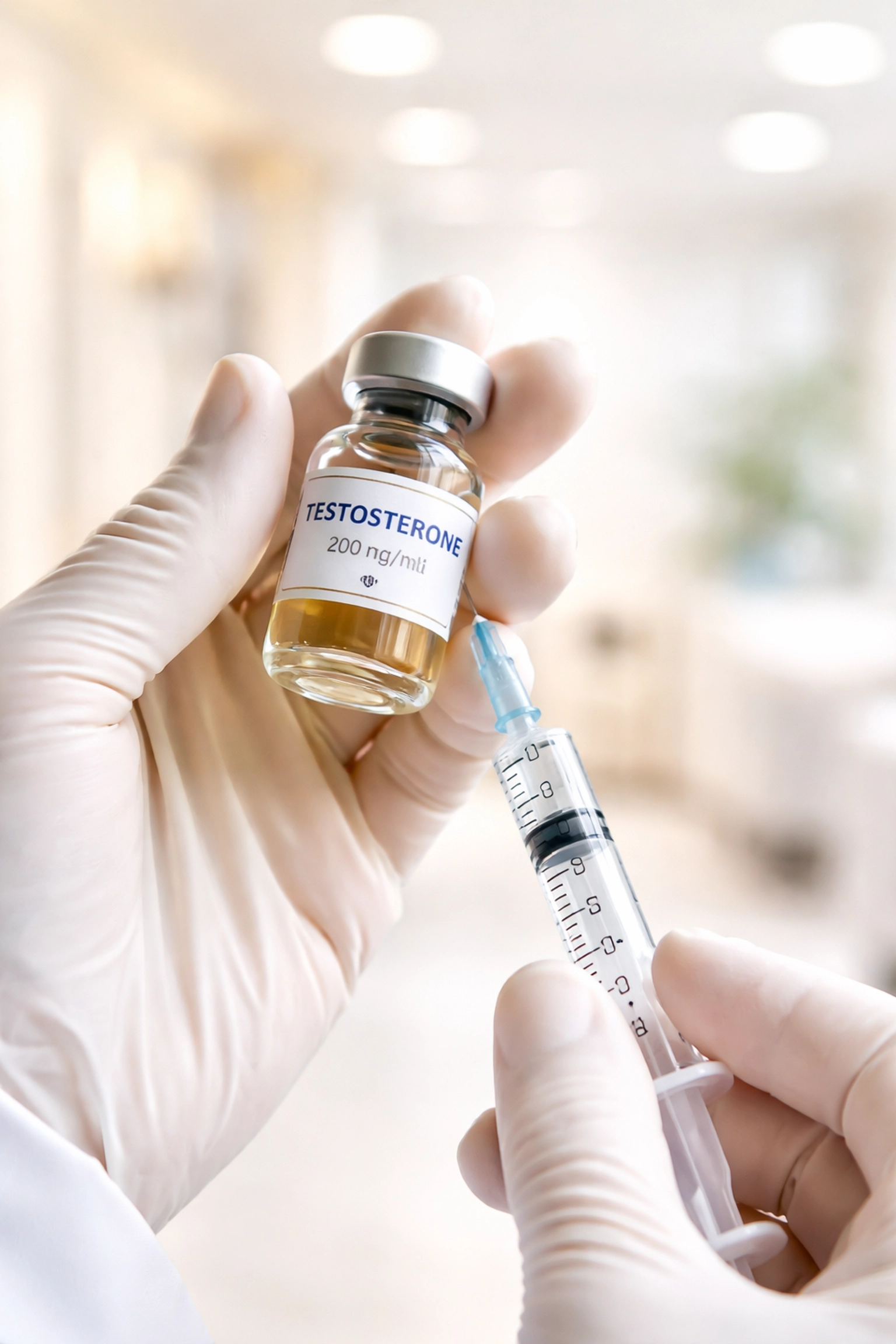
What Does TRT Cost? Let's Talk Numbers
One of the most common questions men have about hormone optimization is: "What's this going to cost me?"
It's a fair question: and the answer varies depending on where you go and what's included.
Here's a general breakdown for 2026:
| Service | Typical Cost Range |
|---|---|
| Initial consultation & labs | $150–$350 |
| Monthly TRT (injections) | $100–$250/month |
| Monthly TRT (gels/creams) | $150–$300/month |
| Pellet therapy | $500–$900 every 4–6 months |
| Follow-up labs & monitoring | $100–$200 per visit |
Important factors that affect cost:
- Insurance coverage – Some plans cover TRT, others don't
- Clinic model – Membership-based clinics often include labs and follow-ups in a flat monthly fee
- Medication source – Compounding pharmacies vs. brand-name options
- Additional therapies – Some men benefit from complementary treatments like peptide therapy or HCG
At VidaVital Medical, we believe in transparent pricing with no hidden fees. We'll walk you through exactly what to expect before you commit to anything.
For location-specific pricing details, you can also explore our page on Testosterone Clinic in Las Vegas: Cost, Care, and Who Benefits Most.
Why Choosing a Local Clinic Matters
You've probably seen the ads for online TRT services: mail-order testosterone delivered to your door. Convenient? Sure. But is it the best approach for your health?
Here's why working with a clinic near you makes a difference:
Personalized care, not algorithms. A local provider can sit with you, review your full health picture, and adjust your treatment based on how you're actually feeling: not just what a number on a lab report says.
Real relationships. Hormone optimization isn't a one-and-done treatment. It's an ongoing partnership. Having a provider who knows you, remembers your history, and genuinely cares about your progress matters.
Faster adjustments. If something feels off: your energy dips, you notice side effects, or your symptoms change: a local clinic can see you quickly and make real-time adjustments.
Comprehensive services. Many men dealing with Low-T also have related concerns: weight management, sexual health, hair loss, or overall aging. A full-service clinic like VidaVital can address the whole picture under one roof.
Whether you're in Las Vegas, Florida, or Tennessee, having a trusted local partner in your corner makes the journey smoother. Learn more about our approach at VidaVital Medical.

Frequently Asked Questions About TRT, BHRT, and Hormone Health
Is hormone therapy (TRT/BHRT) safe?
When properly prescribed and monitored, hormone therapy is considered safe for many people. The key is working with an experienced provider who tracks your labs, watches for side effects, and adjusts your protocol based on how you feel and what your markers show. Recent FDA guidance has also clarified safety standards across hormone-related medications and oversight.
How quickly will I notice results?
Many patients notice improvements in energy, sleep, and mood within 2–6 weeks. Changes in body composition and sexual health often build over 3–6 months (sometimes longer), depending on your starting point and the plan.
Can BHRT help with sex drive and comfort?
For many women, yes. Optimizing hormones can support libido, arousal, and overall sexual wellness, and it can also help when symptoms like dryness or discomfort are tied to hormonal changes. Your plan should be personalized—because “one-size-fits-all” doesn’t work here.
Will TRT affect my fertility? What about women who still want options?
Testosterone replacement can suppress sperm production in men. If preserving fertility is important to you, talk with your provider about alternatives or add-on strategies like HCG or Clomid. For more on that topic, read our Clomid and Low Testosterone Guide.
For women who are in perimenopause (and still cycling), treatment should be tailored carefully around your timeline, symptoms, and goals.
Do I need to stay on TRT or BHRT forever?
It depends on your goals, symptoms, and underlying physiology. Some people choose long-term optimization with ongoing monitoring. Others use hormone therapy as a bridge while improving sleep, nutrition, strength training, stress, and metabolic health.
What if my doctor says my levels are “normal”?
“Normal” lab ranges are based on population averages, and they don’t always reflect what’s optimal for you. If you have symptoms and your numbers are borderline (or fluctuating, which is common in perimenopause), a deeper, more personalized evaluation can make a big difference.
Your Next Step Toward Feeling Like Yourself Again
Here's the bottom line: hormones matter. They're not just abstract numbers on a lab report: they're the foundation of how you feel, perform, and experience life.
If you've been brushing off fatigue, low motivation, or changes in your body as "just aging," consider this your invitation to dig deeper. A simple blood test and honest conversation with a qualified provider could be the turning point you've been looking for.
At VidaVital Medical, we specialize in helping men and women reclaim their vitality through personalized TRT, BHRT, and whole-body hormone optimization—backed by comprehensive clinical testing and ongoing medical oversight. No judgment, no pressure: just discreet, compassionate care designed around your goals.
Ready to find out what’s driving your symptoms—and what you can do about it? Schedule your consultation today and take the first step toward feeling like yourself again.