

By the VidaVital Medical Team | Published January 16, 2026
You know that moment when you get out of bed and your knees remind you, loudly, that you're not 25 anymore? Or when a weekend hike leaves your joints aching for days instead of hours?
You're not imagining things. And you're definitely not alone.
After 40, our bodies start playing by different rules. Collagen production slows down. Bone density quietly decreases. Cartilage that once bounced back from anything now takes its sweet time recovering. It's frustrating, especially when your mind still wants to do all the things your body used to handle effortlessly.
Here's the thing: you don't have to just "accept it" as part of aging. Modern peptide therapy is changing the game for men and women who refuse to let joint pain and bone concerns sideline them from the activities they love.
Let's talk about what peptides can actually do for your bones and joints, no hype, just real answers.
What Exactly Are Peptides, and Why Should You Care?
Think of peptides as tiny messengers made of amino acids. They're naturally occurring in your body, but here's what most people don't realize: as we age, our natural peptide production declines. This matters because peptides tell your cells what to do, including how to repair tissue, build collagen, and reduce inflammation.
Peptide therapy essentially gives your body back the signaling molecules it needs to heal and maintain itself. Unlike some treatments that mask symptoms, peptides work at the cellular level to address what's actually happening in your joints and bones.

Do Peptides Actually Help with Joint Pain?
Short answer: yes, and the science is catching up to what patients have been experiencing.
Peptides support joint health through three primary mechanisms:
Collagen production. Collagen is the protein that gives your cartilage its cushioning ability. Peptides stimulate your body to produce more of it naturally, which means better joint flexibility and less of that grinding, creaky feeling.
Inflammation reduction. Chronic inflammation is often the hidden culprit behind persistent joint pain. Peptides help modulate your immune response, calming down the inflammatory processes that make your joints angry and swollen.
Cartilage repair. For people dealing with osteoarthritis or general wear-and-tear damage, peptides support the actual repair of damaged cartilage tissue. This isn't just pain management, it's addressing the underlying problem.
Research published in the National Institutes of Health database has shown that collagen peptide supplementation can significantly improve joint comfort and function in adults with age-related joint concerns.
Sound familiar? If you've been told to "just take ibuprofen" or "slow down," peptide therapy offers a different path forward.
Which Peptides Are Best for Bone Health?
Bone health becomes increasingly critical after 40, especially for women approaching or in menopause and men experiencing age-related hormonal shifts. Osteoporosis doesn't announce itself, it quietly weakens bones until a fracture happens.
Here's what peptides bring to the table for bone density:
Osteoblast activation. Osteoblasts are the cells responsible for building new bone. Certain peptides specifically stimulate these cells, encouraging your body to lay down new bone tissue rather than just losing what you have.
Mineral density support. Studies have demonstrated that daily collagen peptide supplementation over 12 months can increase bone mineral density, particularly in the spine. That's not a small thing when we're talking about fracture prevention.
Faster fracture healing. If you've already experienced a bone injury, peptides can accelerate recovery significantly, some research suggests healing times can be reduced by 30-50%. A stress fracture that might typically bench you for 8-12 weeks could heal in 4-6 weeks with proper peptide support.
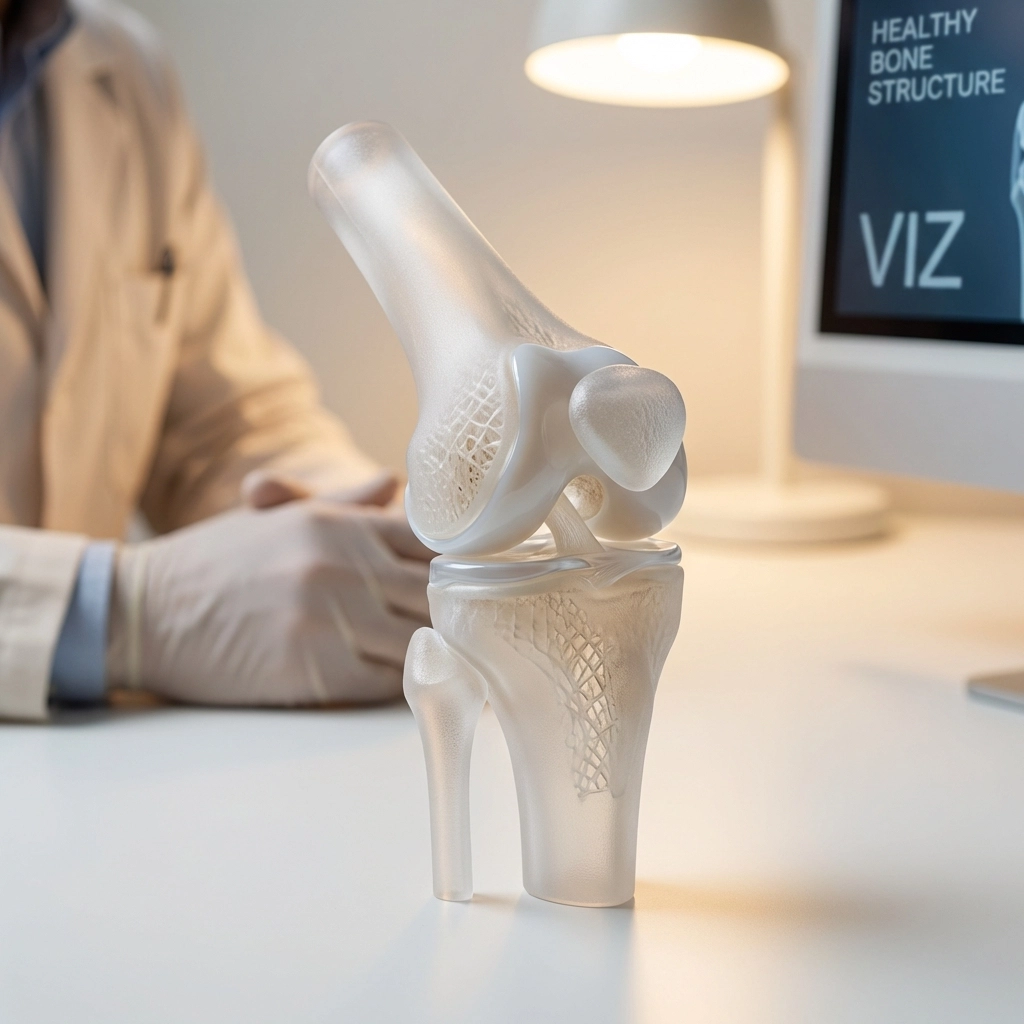
Real Results: What Patients Are Experiencing
Let's get real about what this looks like in practice.
Margaret, 58, came to us after years of managing knee osteoarthritis. She'd tried physical therapy, anti-inflammatory medications, and even cortisone injections. "I'd basically accepted that my hiking days were over," she told us. After four months of peptide therapy combined with targeted exercise, she completed a 5-mile trail hike, something she hadn't done in nearly a decade.
David, 52, was dealing with a nagging shoulder injury from years of tennis. Traditional recovery wasn't cutting it, and surgery seemed like overkill. Peptide therapy helped accelerate his tissue repair, and he was back on the court in half the time his orthopedist originally predicted.
These aren't miracle stories. They're what happens when you give your body the tools it needs to do what it's designed to do: heal and adapt.
If you're curious about whether peptide therapy might help your specific situation, our joint pain relief guide goes deeper into the options available.
Are the Results Actually Proven?
We get it, you're skeptical. You should be. There's a lot of noise in the wellness space, and not everything lives up to its claims.
Here's where peptide therapy stands:
The research is promising and growing. Peer-reviewed studies have demonstrated measurable improvements in joint function, pain reduction, and bone density with peptide treatments. The NIH houses numerous studies showing positive outcomes for collagen peptides specifically.
That said, peptide therapy is still considered an emerging treatment. It's not a magic bullet, and results vary based on individual factors like overall health, the specific condition being treated, and how consistently you follow your protocol.
What we know for certain: these treatments work best under proper medical supervision, with realistic expectations and a comprehensive approach to health.

How Do You Actually Get Started?
If you're considering peptide therapy for bone or joint concerns, here's what the process typically looks like:
1. Comprehensive evaluation. This isn't a one-size-fits-all situation. Your provider should assess your specific symptoms, health history, current medications, and goals before recommending any peptide protocol.
2. Personalized treatment plan. Based on your evaluation, you'll receive a tailored approach that might include specific peptides, dosing schedules, and complementary therapies.
3. Administration. Most peptide treatments involve subcutaneous injections, small needles, minimal discomfort, usually done at home after proper instruction. Some peptides are available in oral forms.
4. Monitoring and adjustment. Your progress should be tracked, with adjustments made as needed. This is an ongoing partnership, not a "set it and forget it" situation.
At VidaVital Medical, we believe in treating the whole person, not just symptoms. That's why our providers take time to understand what's actually going on before recommending treatment.
Combining Peptides with Lifestyle: The Full Picture
Here's something important: peptides work best when they're part of a bigger strategy. Think of them as one powerful tool in your toolkit, not the entire toolkit.
Movement matters. Low-impact exercise, resistance training, and mobility work all support what peptides are doing at the cellular level. You don't need to become a gym rat, consistent, appropriate movement is what counts.
Nutrition plays a role. Adequate protein intake, vitamin D, calcium, and anti-inflammatory foods all support bone and joint health. Peptides can only do so much if your body doesn't have the raw materials it needs.
Sleep and stress management. Your body does most of its repair work during sleep. Chronic stress increases inflammation. Both factors influence how well peptide therapy works for you.
Hormone balance. For many adults over 40, hormonal changes contribute significantly to bone and joint issues. Sometimes addressing hormonal health alongside peptide therapy produces the best results.

What to Expect (and When to Be Concerned)
Most people tolerate peptide therapy well. Common experiences include:
- Mild injection site reactions (redness, slight swelling) that resolve quickly
- Gradual improvement over weeks to months, this isn't an overnight fix
- Increased energy and mobility as inflammation decreases
Warning signs that warrant immediate attention:
- Severe allergic reactions (rare, but possible)
- Significant swelling, redness, or warmth at injection sites
- New or worsening symptoms that don't match expected responses
Always work with a qualified provider who can monitor your progress and address concerns promptly.
Your Next Chapter Starts Here
Joint pain and bone concerns after 40 don't have to mean giving up the activities that make life enjoyable. Peptide therapy offers a science-backed approach to supporting your body's natural healing processes, helping you stay active, mobile, and engaged in the life you want to live.
You deserve better than "just learn to live with it." Period.
If you're ready to explore whether peptide therapy is right for your bone and joint health, reach out to VidaVital Medical. We're here to answer your questions and help you figure out the best path forward, no pressure, just real conversation about your options.
Your best years don't have to be behind you.
Frequently Asked Questions
How long does it take to see results from peptide therapy for joints?
Most patients notice initial improvements within 4-8 weeks, with continued benefits developing over 3-6 months of consistent treatment.
Is peptide therapy safe for people with osteoporosis?
Peptide therapy can be appropriate for individuals with osteoporosis, but it should always be administered under medical supervision and coordinated with any existing treatments.
Can I combine peptide therapy with my current medications?
In most cases, yes: but this must be evaluated by your healthcare provider to ensure there are no interactions or contraindications.
How often do I need peptide injections?
Protocols vary based on the specific peptides used and your individual needs. Some require daily injections, while others may be less frequent.