
If you’ve been scrolling through health forums or talking to your buddies here in Las Vegas about Testosterone Replacement Therapy (TRT), you’ve probably heard the whispers. For years, a cloud of uncertainty has hung over the world of hormone optimization. You might have heard that TRT is "hard on the heart" or that it increases your risk of a heart attack.
It’s completely normal to feel a bit of hesitation. When it comes to your heart, you want facts, not locker-room rumors. You want to know that by improving your energy and libido, you isn’t accidentally trading in your long-term cardiovascular health.
The good news? The "secrets" are finally out, and the science is far more reassuring than the headlines of ten years ago would have you believe. At VidaVital Medical, we believe that being "in the know" is the first step toward feeling empowered in your health journey. Let’s dive into what the latest research actually says about TRT and your heart.
The Landmark Study That Changed Everything: The TRAVERSE Trial
For a long time, doctors were cautious because of smaller, observational studies that suggested a link between testosterone and blood clots. The theory was that testosterone could increase red blood cell count (hematocrit), making the blood "thicker" and harder to pump.
However, in 2023, the medical community received the answer it had been waiting for. The TRAVERSE trial, published in the New England Journal of Medicine, was a massive undertaking. It followed over 5,200 men between the ages of 45 and 80 who had documented low testosterone and pre-existing cardiovascular risk factors.
The results were groundbreaking. The study found that TRT was non-inferior to a placebo when it came to major adverse cardiovascular events (MACE). In plain English? Men on testosterone didn’t have more heart attacks or strokes than men who weren't. In fact, the event rates were nearly identical (7.0% for the testosterone group vs. 7.3% for the placebo group).
This study effectively refuted the long-standing fear that TRT is a "heart attack in a bottle." When prescribed correctly to the right patients, TRT is safe. This is one reason why the FDA has been updating its stance on hormone therapy safety, removing many of the "black box" warnings that used to scare patients away.
Why Optimization Might Actually Protect Your Heart
We often talk about the risks of having testosterone, but we rarely talk about the risks of not having it. Chronic low testosterone (hypogonadism) is closely linked to several factors that are terrible for your heart:
- Increased Visceral Fat: Low T makes it easier to pack on "belly fat," which is metabolically active and inflammatory.
- Insulin Resistance: Men with low T are at a higher risk for Type 2 diabetes.
- Loss of Lean Muscle: Muscle mass is a metabolic engine; losing it slows down your ability to burn calories and manage blood sugar.
Think of your hormones as a "trusted quarterback" for your metabolic team. When the quarterback is out of the game, the whole offense falls apart. By optimizing your testosterone, you aren't just boosting your mood; you're potentially improving your metabolic profile. This is why many men find that once they start TRT, they finally have the energy to hit the gym and the metabolic "green light" to lose weight.
If you're interested in how hormone optimization fits into a broader health plan, you might want to check out our 2025 guide to TRT costs and myths.
The Fine Print: Understanding Potential Complications
While the overall cardiovascular safety profile of TRT is excellent, it is not a "one size fits all" or a "set it and forget it" treatment. The research did identify a few areas where caution is needed.
In the TRAVERSE trial, researchers noted a slightly higher incidence of:
- Atrial Fibrillation (AFib): An irregular heart rhythm.
- Pulmonary Embolism: Blood clots in the lungs.
- Acute Kidney Injury.
This is why "cowboy TRT", ordering gels or injections online without a doctor's supervision, is so dangerous. These complications are often preventable with proper screening and regular blood work. For example, if we see your red blood cell count creeping up, we can adjust your dose or recommend simple lifestyle changes to keep your blood flowing smoothly.
The Importance of Medical Supervision in Las Vegas
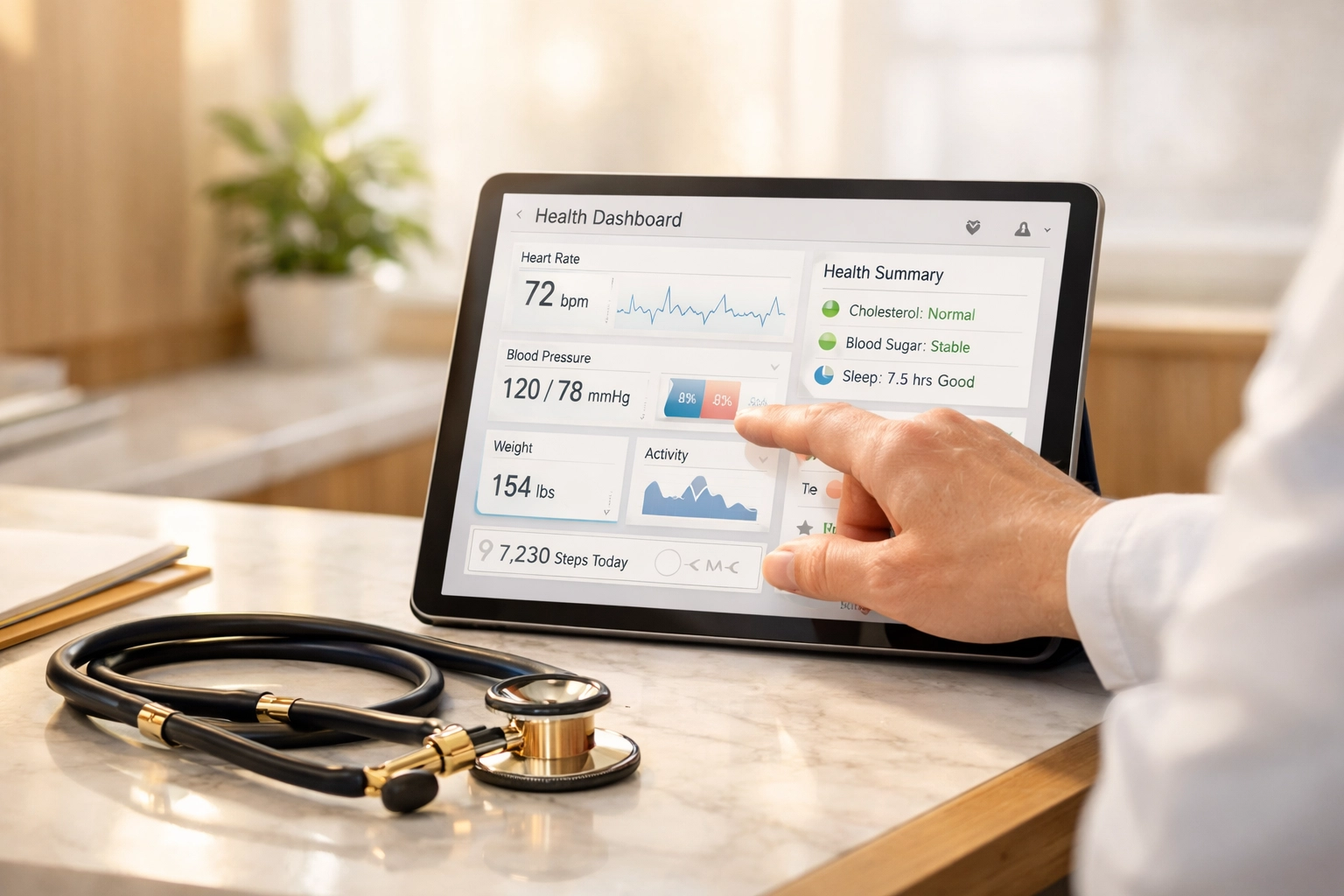
Living in a city like Las Vegas, you have plenty of options for "quick fix" clinics. But your heart deserves more than a quick fix. At VidaVital Medical, we approach TRT as a clinical partnership. We don’t just look at a single number on a lab report; we treat the whole person.
Proper medical supervision involves:
- Comprehensive Blood Panels: Monitoring not just testosterone, but lipids, hematocrit, PSA, and estradiol.
- Personalized Dosing: Using the lowest effective dose to achieve your goals while minimizing side effects.
- Ongoing Dialogue: Regularly checking in to see how you feel, not just how your labs look.
If you have a history of blood clots or specific heart rhythm issues, TRT might not be the right choice for you, or it might require a much more specialized approach. This level of care is what separates a dedicated men's health clinic from a generic wellness center.
Actionable Takeaways for Your Heart Health
If you are considering TRT or are currently on therapy, here are the steps you can take to ensure your heart stays as healthy as your hormones:
- Get a Baseline: Before starting, ensure you have a full cardiovascular screening.
- Monitor Your Blood Pressure: TRT can sometimes cause slight increases in blood pressure, which is easily managed if caught early.
- Stay Hydrated: Dehydration can make your blood "thicker" (elevating hematocrit), especially in our dry Las Vegas climate.
- Don't Ignore the Foundation: TRT is a tool, not a cure-all. You still need to eat a heart-healthy diet and get regular cardiovascular exercise.
- Be Honest with Your Provider: If you feel heart palpitations or shortness of breath, speak up immediately. It’s not a personal failing; it’s a data point that helps us fine-tune your treatment.
Beyond Testosterone: A Holistic Approach
Sometimes, the "heart health secret" isn't just about testosterone. Often, our patients find that combining hormone optimization with other therapies, like peptide therapy for weight loss, provides a synergistic effect. When you lose weight and optimize your hormones simultaneously, your cardiovascular system doesn't have to work nearly as hard.
For those concerned about the intersection of medications, it’s worth noting that managing one area of health often improves others. For instance, we often discuss the hidden connection between weight loss meds and sexual health, showing how interconnected our systems really are.
Frequently Asked Questions
Does TRT cause blood clots?
Current high-quality research, such as the TRAVERSE trial, shows that TRT does not significantly increase the risk of major blood clots compared to a placebo in appropriately screened men. However, individual monitoring of hematocrit levels is essential.
Can I do TRT if I have high blood pressure?
Yes, but your blood pressure must be managed and monitored. In some cases, losing weight as a result of the increased energy from TRT can actually help lower blood pressure over time.
How often do I need blood work?
Initially, we check labs every 3 to 4 months. Once you are stable and your levels are optimized, we move to every 6 to 12 months. This ensures we catch any minor changes before they become issues.
Is TRT safer now than it used to be?
The medications themselves are similar, but our understanding of how to use them has evolved. Modern protocols focus on smaller, more frequent doses that mimic the body's natural rhythm, which significantly reduces the risk of side effects. You can read more about how the FDA has recognized these safety improvements.
Take Control of Your Health Journey
It’s okay to have questions. It’s okay to be cautious. Your health is your most valuable asset, and taking it seriously is a sign of strength, not weakness. The latest research is clear: for most men with low testosterone, TRT is a safe and effective way to reclaim their vitality without compromising their heart.
You are not alone in this. Many men in Las Vegas are navigating these same choices. The key is to stop guessing and start measuring.
If you’re ready to see if TRT is right for you, or if you just want to get a clear picture of your current hormone health, reach out to a professional who understands the nuances of cardiovascular safety. At VidaVital Medical, we’re here to help you build your "personal health team" and guide you every step of the way.

Ready to learn more? Check out our top anti-aging clinics guide or visit us at VidaVital Medical to start your journey toward optimized health today.