

Peptide therapy has become one of the most talked-about approaches in regenerative medicine, and for good reason. These small protein chains can support everything from muscle recovery and joint health to cognitive function and energy levels. But here's the thing: peptides aren't magic bullets, and how you approach them matters just as much as the peptides themselves.
If you've tried peptide therapy and felt underwhelmed, or you're considering it but feeling overwhelmed by conflicting information online, you're not alone. Many people make common mistakes that undermine their results, not because they're doing anything wrong intentionally, but because peptide therapy without proper guidance can feel like navigating without a map.
The good news? When peptide therapy is integrated into a comprehensive hormone optimization strategy under professional supervision, these mistakes become much easier to avoid. Let's walk through the seven most common pitfalls and how a whole-person approach to hormonal health can set you up for lasting success.
Mistake #1: Sourcing Low-Quality Peptides
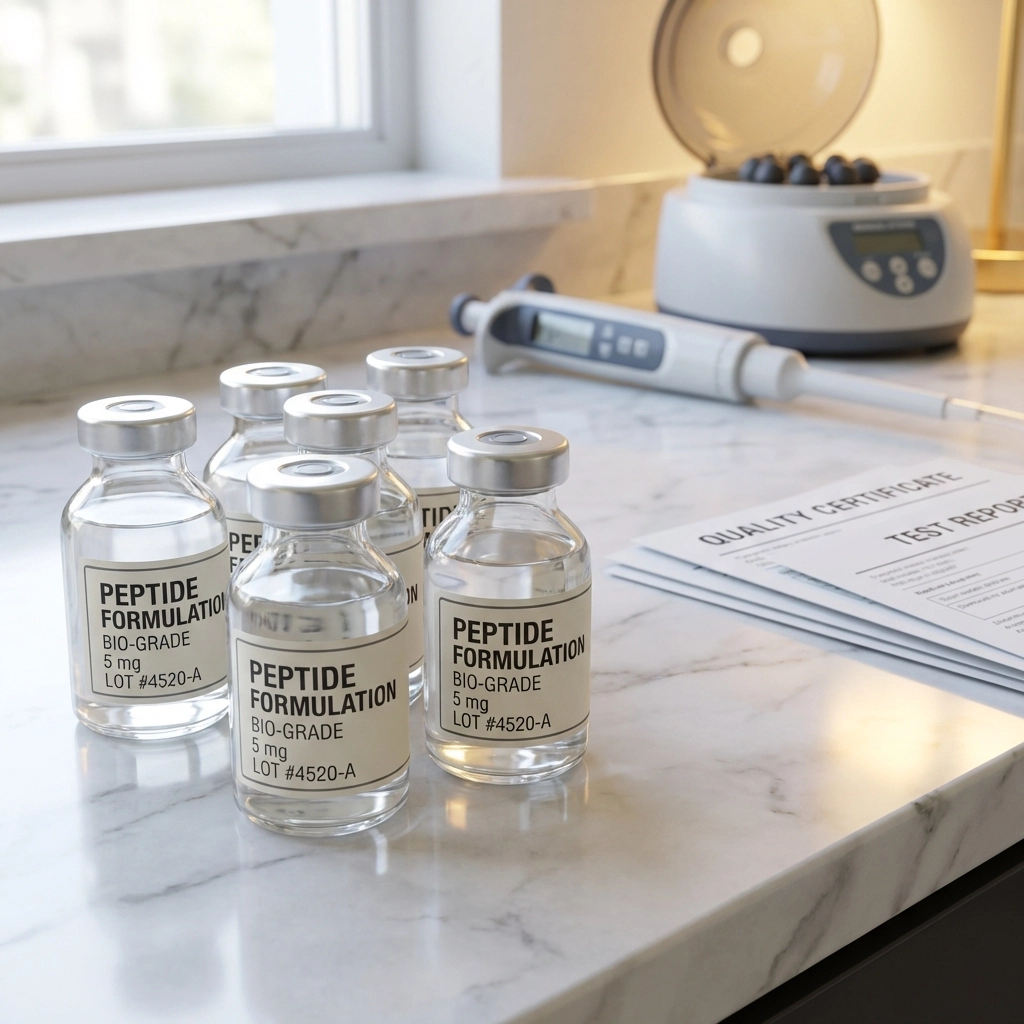
This is perhaps the most critical mistake, and it happens more often than you'd think. The peptide market has exploded, and unfortunately, not all products are created equal. Research has shown that some peptides from unverified sources contain as little as 30% of the intended dose, meaning you could spend weeks and hundreds of dollars on something that barely works.
Why this matters: Peptides are precision tools. If the quality is compromised, the results will be too. It's like trying to tune a piano with broken strings, no amount of effort will produce the sound you're looking for.
The hormone optimization fix: When you work with a qualified medical provider who specializes in hormone therapy, you gain access to pharmaceutical-grade peptides with third-party testing verification. Your provider handles the sourcing, so you can focus on the therapy itself rather than playing detective with online suppliers.
Mistake #2: Skipping Professional Medical Guidance
We get it, there's a DIY spirit in all of us, especially when it comes to health. But peptide therapy isn't like taking a daily vitamin. These are bioactive compounds that interact with your body's signaling systems, and what works for someone else might not work for you.
Your health history, current medications, hormonal status, and personal goals all influence which peptides (if any) are right for you, and at what dose.
The hormone optimization fix: A comprehensive hormone optimization approach starts with understanding you. Through detailed lab work and health assessments, your provider can identify underlying imbalances that might be affecting your results. Maybe your testosterone levels are suboptimal, or your thyroid needs attention. Addressing these foundational issues creates the environment where peptides can actually do their job.
If you're curious about how hormone therapy fits into the bigger picture, our guide on testosterone replacement therapy for men in 2026 offers a helpful overview of what to expect.
Mistake #3: Incorrect Dosing
Dosing errors are surprisingly common, and they work in both directions. Taking too much can overwhelm your system and increase side effects. Taking too little? You might not reach what researchers call the "minimum effective threshold," which means you're essentially not taking anything at all.
This is frustrating territory, especially when you're investing time and money into your health.
The hormone optimization fix: Precision is everything in hormone therapy, and the same principle applies to peptides. Your provider will establish the right starting dose based on your labs and goals, then adjust over time based on how your body responds. Think of it as having a trusted co-pilot who's constantly monitoring the instruments and making course corrections.

Mistake #4: Expecting Instant Results
In a world of instant everything, it's natural to want fast results. But peptides don't work like pain relievers or stimulants. They work by gradually improving cellular communication and function, a process that takes time.
When people don't see dramatic changes in the first week or two, they often assume the therapy isn't working and give up too soon. This is one of the most heartbreaking mistakes because they may have been on the verge of real progress.
The hormone optimization fix: When peptides are part of a broader hormone optimization plan, you're not just waiting around hoping something happens. You're actively tracking multiple markers of health, energy, sleep quality, body composition, mood, cognitive clarity, and seeing incremental improvements across the board.
Your provider helps set realistic expectations from day one. Most peptide protocols require weeks or even months of consistent use before full benefits emerge. Patience isn't just a virtue here; it's a strategy.
Mistake #5: Stopping the Protocol Too Early
Here's a scenario we see often: someone starts peptide therapy for joint pain, feels better after a few weeks, and decides to stop. The pain is gone, so why continue?
The problem is that pain relief often outpaces actual tissue repair. Your symptoms might improve while the underlying healing process is still underway. Stop too early, and you risk relapse, sometimes worse than before.
The hormone optimization fix: A medically supervised protocol includes clear timelines and completion criteria. Your provider will guide you through the full recommended cycle (typically 8 weeks or more) and help you understand why staying the course matters. It's not about doing more than necessary, it's about doing enough.

Mistake #6: Stacking Multiple Peptides Simultaneously
The logic seems sound: if one peptide is good, several must be better, right? Unfortunately, stacking multiple peptides at once creates a troubleshooting nightmare. When you can't isolate which compound is causing a particular effect, positive or negative, you lose valuable information about what actually works for your body.
If side effects appear, you may need to stop everything and start over from scratch.
The hormone optimization fix: A strategic, phased approach is the hallmark of professional hormone optimization. Your provider will typically start with a single peptide, establish your baseline response, and then carefully introduce additional compounds only when it makes clinical sense. This methodical approach protects your investment and maximizes your chances of success.
Mistake #7: Ignoring Lifestyle Foundations
No peptide, no matter how powerful, can compensate for poor sleep, chronic stress, inadequate nutrition, or a sedentary lifestyle. These foundational elements are the soil in which your hormonal health grows. Without them, even the best therapies will struggle to take root.
This is where many people feel stuck. They've tried peptides, maybe even hormone therapy, but they're still not feeling their best.
The hormone optimization fix: True hormone optimization isn't just about adding things to your protocol. It's about building a sustainable foundation that supports everything else. Your provider will likely discuss:
- Sleep quality and its impact on hormone production
- Nutrition that supports metabolic and hormonal function
- Movement that maintains muscle mass and insulin sensitivity
- Stress management techniques that keep cortisol in check
- Hydration habits that support cellular function
Think of peptides as an enhancement to your wellness toolkit, not a substitute for the basics.
For more on the cognitive benefits of a well-rounded approach, check out our guide on peptide therapy for cognitive health.
The Bigger Picture: Why Hormone Optimization Changes Everything
Here's the truth that often gets lost in the peptide conversation: peptides work best when your hormonal foundation is solid. If your testosterone, estrogen, thyroid, or other key hormones are out of balance, peptides are fighting an uphill battle.
Hormone optimization creates the internal environment where peptides can thrive. It's like preparing the soil before planting seeds, you're giving everything the best possible chance to grow.
When you partner with a medical team that understands this interconnected approach, you're not just getting peptides or hormones. You're getting a personalized roadmap to feeling like yourself again.
Your Next Step
If any of these mistakes sound familiar, please know this: you haven't failed. You've simply been navigating complex territory without the right support. That's fixable.
The path forward starts with understanding where you are right now: your labs, your symptoms, your goals: and building a plan that addresses the whole picture. Whether you're exploring peptide therapy for the first time or looking to optimize an existing protocol, professional guidance makes all the difference.
Ready to take the next step? Visit VidaVital Medical to learn more about our approach to hormone optimization and peptide therapy. Your journey to feeling your best doesn't have to be complicated( it just needs to be personalized.)